Rain makes the road harder to read and reduces how much grip your tires have. The practical response is to slow down, leave more space between you and the vehicle ahead, make every steering, braking, and throttle input gentle, and stay out of floodwater. If visibility drops so far that you cannot see the road edges or other vehicles at a safe distance, pull over somewhere safe and wait for conditions to improve.
U.S. agency guidance supports these steps. It does not, however, set one safe speed or following distance that fits every vehicle, rainfall rate, road surface, and tire condition. The sections below separate what the agencies say directly from what they leave for the driver to judge.
Why rain changes what your car can do
Rain affects a drive in two main ways: it shortens the distance you can see ahead, and it reduces the friction between your tires and the pavement. The Federal Highway Administration (FHWA) frames safe speed and stopping distance around sight distance, tire-pavement adhesion, tire condition, vehicle characteristics, and roadway grade. Every one of those factors is worse in wet weather.
Reduced visibility
Wipers, spray from trucks, fogged glass, and low light all shrink the view ahead. A hazard that would be visible a long way off in dry conditions may only appear when you are much closer to it. That loss of sight distance is why the agencies tie speed and spacing to what you can actually see, not to the posted limit alone.
Free tools Windows power users keep installed
One-click scans. No signup required.
#1 Best Overall
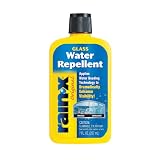
- The Invisible Windshield Wiper: The original Rain-X glass water repellent is a wipe-on treatment that applies an invisible barrier to exterior auto glass that repels rain and improves safety during storms
- Repels Rain, Sleet and Snow: The super-slick, non-stick barrier ensures droplets bead up and roll off windshield, improving all-weather visibility, safety and driving comfort
- Treats More Than the Windshield: Use it on side windows, rear glass and exterior mirrors so your whole field of view sheds water, not just the area your wipers can physically reach
- Ideal for All Drivers: A seasonal must for commuters, truck drivers, delivery routes and anyone heading into a rainy or snowy stretch who wants a clearer view when driving through storms
- Wipe On, Buff Off: Wipe the windshield treatment onto exterior glass with a folded dry cloth using firm overlapping circles, let the haze form, then buff clear with a dry cloth for a water repellent layer that lasts up to 6 months
Less tire-pavement friction
FHWA’s wet-weather chapter reports that even 0.002 inches of water can reduce the coefficient of friction by 20 to 30 percent, citing the studies it draws on. That is a specific finding from FHWA’s engineering discussion. It should not be read as a general multiplier for stopping distance on every road, because the effect depends on the surface, tires, and water film involved.
Water film and hydroplaning
When a tire cannot push water out of its contact patch fast enough, it can ride on a film of water and lose contact with the road. FHWA identifies thicker water films, higher speeds, worn tires, and drainage or pavement problems as factors that raise that risk. The same guidance states that no single speed threshold applies to every tire, water depth, or road.
Rank #2

- Add to existing washer fluid
- Applies water beading technology
- Enhances driving visibility
- Helps prevent and remove sleet, snow, ice, bugs and road spray from sticking to glass
- Improves cleaning
Before you set out
- Check the forecast, road conditions, and closures. NHTSA recommends planning the trip around conditions and carrying an emergency roadside kit.
- Check your wiper blades. The National Weather Service (NWS) advises replacing old or brittle blades before rain. Choose blades sized and designed for your specific vehicle.
- Inspect your tires. Worn tires raise concerns about traction on wet roads and increase hydroplaning risk. Replacement tires should match your vehicle’s fitment and its tire requirements.
- Check your lights. NWS includes the lights among the vehicle items to verify before wet weather.
Speed and following distance
Reduce speed gradually as rain begins, and keep a larger gap than you would in dry weather. The correct speed depends on visibility, standing water, traffic, tire condition, and the road itself, so no fixed number applies everywhere.
The NWS office in Tulsa advises allowing an extra two seconds of following time in heavy rain. That is one office’s public guidance, not a universal engineering rule. Use it as a starting point and widen the gap further if spray, darkness, or traffic makes the view worse.
Rank #3

- Advanced Ceramic Technology: Utilize Cerakote's innovative ceramic formula to provide your windshield with superior water beading and dirt repellency, enhancing driving visibility during harsh weather.
- Long-Lasting Protection: Our ceramic glass coating offers a durable layer of protection against environmental elements, ensuring your car’s glass remains clear for multiple seasons!
- Easy to Apply: This ceramic glass coating sealant is designed for simple DIY application, allowing you to achieve professional-grade results in the comfort of your own garage in less than 15 minutes.
- Improved Visibility: Enhance your driving experience with improved visibility by repelling water and reducing the build-up of ice and snow on your windshield.
- Contents: Each Glass Coat Protectant Kit includes 4 ceramic wipes and a microfiber buffing towel. Each kit includes enough product to coat two windshields, or one windshield and two windows!
Steering, braking, and recovering from a skid
Smooth inputs matter more on a wet road than on a dry one, because a sudden change can exceed the grip available. The NWS cautions against sudden braking that could cause a skid, and advises letting speed fall off gradually.
FHWA notes that stopping distance depends on several linked factors:
Rank #4

- Crystal-Clear Anti Fog Defense: The kit includes a specialized anti-fog agent that prevents windshields, windows, and mirrors from fogging up. This anti-fog effect shines in cold weather or when switching between hot and cold temperatures inside and outside the vehicle — ensuring unobstructed clear vision at all times.
- Powerful Water Repellent Coating: The glass rain-repellent fluid forms a robust protective layer that stops water droplets from adhering to the surface. Rainwater beads up and rolls off instantly, dramatically improving visibility in wet weather and reducing the need for frequent wiping.
- Long-Lasting Durability, All-Weather Resistant: Once fully cured, both the rain-repellent and anti-fog coatings retain stable performance. They hold up against rain, snow, moisture and temperature fluctuations, keeping glass surfaces clear through long-term use.
- Simple Application, No Expertise Required: Features a built-in sponge applicator. Press the sponge to release liquid and spread evenly on clean glass. Let it dry completely to form the protective film. Do not wipe prematurely, or the coating will be removed. After full drying, lightly buff with a dry towel. No special tools or professional skills needed.
- Versatile Use — One Kit, Multiple Surfaces: Each 120ml bottle delivers ample supply for a wide range of glass surfaces: windshields, side windows, rearview mirrors, bathroom mirrors, shower doors, and more. Ideal for automotive glass and household glass alike.
- Driver reaction time
- Braking performance
- Tire-pavement friction
- Road condition
- Grade
Because friction is the variable most reduced by rain, the same brake input will stop the car over a longer distance than it would on dry pavement.
Independent reader supportYour contribution helps us test, update, and keep practical guides available for everyone.Standing water and flooded roads
Hydroplaning on standing water
Standing water is the setting in which hydroplaning is most likely. Slow down before you reach a puddle or a section where water is pooling, and avoid sudden steering or braking if the car starts to drift. Ease off the accelerator and let the vehicle regain contact with the road. The risk factors are the ones listed above: water depth, speed, tire wear, and drainage.
Do these 3 things before closing this tab:
1Clear out junk files and repair common Windows errors2Scan for outdated or missing drivers - takes under a minute3Repair Windows errors before they cause bigger problemsBest Value

- 2-Step Windshield Cleaner Kit - Includes 3.5 oz glass emulsion paste and 3.4 fl oz rain repellent spray to clean exterior auto glass first, then add a hydrophobic water-beading layer.
- Glass Oil Film Remover Paste - Helps remove road film, light oil film, haze, light water spots, washer residue, and grime from windshield glass before applying the rain repellent coating.
- Rain Repellent Hydrophobic Spray - Creates a clear water-repellent finish that helps rain bead up and roll off exterior car glass, improving visibility during wet driving conditions.
- Car Glass Cleaner for Exterior Use - Designed for windshields, side windows, rear windows, and sunroof glass. Use on exterior glass only; do not use on plastic, headlights, screens, paint, or tinted film.
- Complete Auto Glass Care System - Use the glass cleaner paste to prepare the surface, rinse and dry, then apply the hydrophobic spray and buff clean for a clear, streak-free glass finish.
Flooded roads
NHTSA warns that 12 inches of rushing water can carry away most cars, and that two feet of water can carry away most trucks and SUVs. These are warnings about how much water can move a vehicle, not thresholds below which a crossing is safe. Shallow water can still hide a washed-out road, a missing section of pavement, or debris.
Turn around when water covers the road or when barriers block it. Do not conclude that water below those depths is safe to cross.
When to pull over
If the rain is so heavy that you cannot see the road edges or other vehicles at a safe distance, the NWS advises pulling over in a safe location and waiting for visibility to improve. Do not stop in a live traffic lane, and do not stop where floodwater could reach the car. If you can see the edge of the road and the vehicles around you, keep driving at a reduced speed rather than stopping on a shoulder or ramp that may be unsafe.
What the crash statistics show
FHWA’s Rain and Flooding page reports the following annual figures. The page states that its values reflect NHTSA data as of May 2024 and may be revised. It does not give a year for every rain and wet-pavement figure, so readers should treat the years as unspecified and check current NHTSA data before citing a specific year.
| Measure | Figure reported by FHWA | Context |
|---|---|---|
| Share of weather-related vehicle crashes on wet pavement | 75 percent | Year not stated on the page; page notes NHTSA data as of May 2024 |
| Share of weather-related vehicle crashes during rainfall | 47 percent | Year not stated on the page; page notes NHTSA data as of May 2024 |
| Deaths and injuries in crashes on wet pavement | Nearly 5,700 killed; more than 544,700 injured per year | Annual estimate; year not stated |
| Deaths and injuries in crashes during rainfall | More than 3,400 killed; over 357,300 injured per year | Annual estimate; year not stated |
These figures describe the scale of weather-related crash burden in the United States. They are counts and shares, not rates per mile driven, so they cannot by themselves show how risky a particular trip in rain is.
Quick Recap
Sources cited in this article
- FHWA, Chapter 2. Driver, Vehicle, and Roadway Characteristics Related to Driving in Wet Weather
- FHWA Road Weather Management, Rain and Flooding
- FHWA, Chapter 1. Introduction
- NHTSA, Driving in Severe Weather
- National Weather Service, Tulsa, Legend, Definitions and Safety and Preparedness. This is one NWS office’s public guidance.
Product prices and availability are accurate as of the date/time indicated and are subject to change. Any price and availability information displayed on Amazon at the time of purchase will apply.




