Outdated Drivers Are Slowing You Down
One free scan finds every outdated or missing driver and matches the right update for your exact hardware.Free scan · exact hardware matchPC Slower Than It Used to Be?
A free scan shows the junk files, broken settings and background clutter dragging Windows down - then fixes them in one click.Free scan · Windows 10 & 11The Chevrolet Malibu generations cover model years 1964–1983 and 1997–2025 in North America, with a U.S. hiatus from 1984–1996. The name began as an upscale Chevelle series, became a standalone rear-wheel-drive Chevrolet in 1978, returned as a front-wheel-drive sedan in 1997, and ended with the 2025 model year.
This article uses a nine-generation convention for the North American Malibu, while identifying the 2004 Chevrolet Classic as a fleet continuation rather than a new generation. Early Malibu history belongs to the Chevelle family, so model-year and parts research must distinguish Chevelle Malibu cars from later standalone and front-wheel-drive Malibus.
Key takeaways
- The Chevrolet Malibu name began in the 1964 model year as the upscale Malibu series of the Chevrolet Chevelle, not as a separate model line.
- The practical nine-generation chronology covers 1964–1983 and 1997–2025, with a U.S. nameplate hiatus from 1984 through 1996.
- The 1978–1983 Malibu was the first standalone Malibu and belonged to the rear-wheel-drive American-intermediate era.
- The 1997 revival was a front-wheel-drive midsize sedan, making the 1997–2025 cars mechanically distinct from the 1964–1983 cars.
- The 2004 model year includes two easily confused vehicles: the new retail Malibu and the previous design continued for fleet use as the Chevrolet Classic.
- Chevrolet identifies the 2025 Malibu as the last model year in North America; Malibu Maxx and Malibu Hybrid were variants, not separate generations.
What are all the Chevrolet Malibu generations?
The table below uses the clearest North American generation convention for the Chevrolet Malibu. Early numbering is not completely standardized because Malibu was a Chevelle series from 1964 through 1977, while the 1978 model became a standalone Chevrolet. Cars.com uses the practical modern grouping shown below, while General Motors’ archives establish the earlier Chevelle-to-Malibu transition.
| Generation or status | Model years | Identity and important distinctions |
|---|---|---|
| First | 1964–1967 | Chevelle Malibu series. Malibu SS performance versions were available in the early years. |
| Second | 1968–1972 | Restyled Chevelle-era Malibu. Malibu remained a Chevelle series rather than an independent model line. |
| Third | 1973–1977 | Later Chevelle Malibu era, including Malibu and Malibu Classic forms before Chevrolet retired the Chevelle name. |
| Fourth | 1978–1983 | Standalone Chevrolet Malibu after Chevrolet discontinued the Chevelle name; this was still a traditional rear-wheel-drive intermediate. |
| Fifth | 1997–2003 | Malibu nameplate revival as a front-wheel-drive midsize sedan after the U.S. hiatus. |
| Fleet continuation | 2004 | The previous design continued for fleet and rental use as the Chevrolet Classic. This is not a new Malibu generation. |
| Sixth | 2004–2007 | New front-wheel-drive Malibu generation, including the five-door Malibu Maxx variant. |
| Seventh | 2008–2012 | Redesigned Malibu generation. The Malibu Hybrid was a powertrain variant within this modern period, not a separate generation. |
| Eighth | 2013–2015 | New Malibu generation for 2013, preceding the major 2016 redesign. |
| Ninth and final | 2016–2025 | Final North American Malibu generation. Later model years received equipment and powertrain changes rather than a new generation. |
For the modern model-year groupings, see the Chevrolet Malibu generation reference from Cars.com. General Motors’ vehicle-information archive is especially useful for confirming the Chevelle Malibu and standalone 1978–1983 eras.
#1 Best Overall

- Step-by-step procedures written from a complete teardown and rebuild, giving you the confidence to tackle repairs at any skill level.
- Over 700+ clear photos and diagrams that simplify complex systems, helping you complete jobs faster and with fewer mistakes.
- Comprehensive troubleshooting and fault-finding guides to quickly diagnose problems and reduce costly downtime.
Was the 1964 Malibu a Chevelle?
Yes. The 1964 Chevrolet Malibu was an upscale series of the new Chevrolet Chevelle, so a 1964 Malibu is historically a Chevelle Malibu rather than the later standalone sedan. General Motors’ heritage history identifies the Chevelle Malibu SS as Chevrolet’s performance entry for the 1964 model year.
1964–1967: Chevelle Malibu arrives
Chevrolet introduced the Chevelle as a midsize car for 1964, with Malibu occupying the upscale portion of the Chevelle range. The Malibu name therefore began as a series designation inside the Chevelle family. Early Malibu cars also included Malibu SS performance versions, a distinction that matters when researching original literature, restoration parts, or historical specifications. The GM Heritage history of Chevrolet documents the Chevelle Malibu lineage.
1968–1972: the restyled Chevelle-era Malibu
The second-generation convention covers the restyled 1968–1972 Chevelle-era cars. Malibu remained part of the Chevelle family during these model years, so the Malibu name did not yet represent an independent platform or model line. Parts and service information for a 1968–1972 Malibu should consequently be researched as Chevelle Malibu information.
1973–1977: the final Chevelle Malibu years
Malibu and Malibu Classic forms continued through the 1973–1977 model years. General Motors’ archive documents Chevelle Malibu and Malibu Classic material during the 1970s, and Chevrolet ended the Chevelle name after the 1977 model year. The 1977 Malibu is therefore still a Chevelle-family vehicle even though the Malibu name was becoming the more prominent badge.
Free tools Windows power users keep installed
One-click scans. No signup required.
General Motors reported more than 10 million Malibu customers in 2015. The milestone included Malibu examples from the 1964 Chevelle Malibu SS through later standalone generations, but General Motors did not publish an authoritative generation-by-generation sales breakdown in the sources reviewed. The 10-million figure should not be converted into estimated sales for individual generations.
Rank #2

- Step-by-step procedures written from a complete teardown and rebuild, giving you the confidence to tackle repairs at any skill level.
- Over 700+ clear photos and diagrams that simplify complex systems, helping you complete jobs faster and with fewer mistakes.
- Comprehensive troubleshooting and fault-finding guides to quickly diagnose problems and reduce costly downtime.
What year did the Malibu become its own car?
The Malibu became a standalone Chevrolet model line for the 1978 model year, after Chevrolet discontinued the Chevelle name. Chevrolet continued the intermediate passenger car as the Malibu from 1978 through 1983. General Motors’ archive lists Malibu vehicle-information material for each model year from 1978 through 1983.
The 1978–1983 Malibu is mechanically and historically separate from the 1997 revival. The 1978–1983 car belongs to the traditional rear-wheel-drive American-intermediate era, while the 1997 Malibu began a front-wheel-drive midsize-sedan lineage. The GM Heritage vehicle archive is the primary reference for the standalone-era documentation.
Why was the Malibu absent from 1984 through 1996?
Chevrolet did not use the Malibu name in the U.S. passenger-car lineup after the 1983 model year and before the 1997 model year. The 1984–1996 gap is a genuine nameplate hiatus, not a missing generation in an otherwise continuous redesign sequence.
The hiatus explains why the 1997 Malibu is best described as a revival. The 1997 car did not simply continue the rear-wheel-drive 1978–1983 Malibu with a routine redesign; the revived Malibu was a front-wheel-drive midsize sedan with a different platform and drivetrain era. NHTSA documentation records Chevrolet Malibu production for the 1997–2003 model years, while the practical modern chronology is summarized in Cars.com’s Malibu model-year reference.
How did the revived Malibu generations differ?
1997–2003: the fifth-generation revival
The Malibu returned for 1997 as a front-wheel-drive midsize sedan. The 1997–2003 generation should not be grouped with the 1978–1983 Malibu simply because both vehicles carry the Malibu name. NHTSA’s model-year records identify the 1997–2003 Chevrolet Malibu range and provide a government reference for the revival.
Rank #3

- Complete Repair Coverage: Step-by-step repair procedures specific to your vehicle — from routine maintenance like oil changes and air filter replacement to complex engine and transmission repairs
- 700+ Photos & Illustrations: Every procedure is visually supported with clear, close-up photography taken during an actual vehicle teardown and rebuild — no guesswork required
- Beginner to Advanced: Written in plain language so a DIY owner with basic tools can tackle most repairs confidently, while still serving as a valuable reference for experienced mechanics
- Full Troubleshooting Section: Quickly diagnose problems with dedicated troubleshooting guides for engine, electrical, brakes, and drivetrain systems
- Time-Saving Tips Throughout: Pro shortcuts and notes highlight common pitfalls, helping you avoid costly mistakes and get your vehicle back on the trail faster
2004–2007: a new Malibu and the Malibu Maxx
The 2004 model year introduced a newer Malibu generation. Chevrolet also offered the Malibu Maxx, a five-door hatchback or wagon-style variant with a different body configuration from the mainstream sedan. NHTSA separately identifies Malibu and Malibu Maxx model-year coverage in its Chevrolet vehicle model-year records.
The 2004 model year creates a particularly important overlap for buyers, parts researchers, and repair writers. The previous Malibu design continued in fleet and rental service as the Chevrolet Classic, while the all-new Malibu was sold in the retail market. A 2004 Chevrolet Classic is not the same vehicle as the new retail 2004 Chevrolet Malibu.
What is the difference between a Malibu and a Malibu Maxx?
The Malibu Maxx was a five-door Malibu variant offered during the 2004–2007 generation, not a separate generation. The Malibu Maxx shared the Malibu identity but used a different body configuration from the mainstream sedan, so body style must be checked when selecting parts, repair instructions, or reference material.
2008–2012: the seventh-generation redesign
Chevrolet redesigned the Malibu for 2008, and the generation continued through the 2012 model year under the common North American grouping. NHTSA records identify Malibu sedan and Malibu Hybrid coverage during the early part of this period. The Malibu Hybrid was a powertrain variant within the generation, not a separate generation.
Is the Malibu Hybrid a separate generation?
No. The Malibu Hybrid was a powertrain variant within the modern Malibu range, not a separate generation. NHTSA records identify the Malibu Hybrid alongside the 2008–2010 Malibu model-year records, and hybrid status can affect maintenance instructions and component compatibility even when the vehicle shares a generation with conventional Malibu models.
Rank #4

- Step-by-step procedures written from a complete teardown and rebuild, giving you the confidence to tackle repairs at any skill level.
- Over 700+ clear photos and diagrams that simplify complex systems, helping you complete jobs faster and with fewer mistakes.
- Comprehensive troubleshooting and fault-finding guides to quickly diagnose problems and reduce costly downtime.
2013–2015: the eighth generation
Chevrolet introduced another Malibu redesign for the 2013 model year. The eighth-generation Malibu lasted through 2015 and remained distinct from the ninth-generation car introduced for 2016. A 2013–2015 Malibu should not be automatically treated as interchangeable with a 2016–2025 Malibu because the model-year break represents a major redesign.
Do these 3 things before closing this tab:
1Clear out junk files and repair common Windows errors2Fix the driver behind crashes, sound loss and screen glitches3Repair Windows errors before they cause bigger problems2016–2025: the ninth and final generation
The ninth-generation Malibu launched for 2016 and continued through the 2025 model year. Cars.com identifies 2016–2025 as the latest generation, and Chevrolet’s official discontinued-vehicle page confirms that 2025 was the final North American model year.
Chevrolet states: The 2025 model marked the last year of this iconic midsize sedan.
The statement appears on Chevrolet’s official discontinued-vehicle page. The Associated Press also reported the Malibu’s retirement in the context of General Motors shifting focus toward electric vehicles, but the Chevrolet source is the controlling reference for the final model year.
Is there a 2026 Chevy Malibu?
There is no documented North American 2026 Chevrolet Malibu in the model-year run established by the available sources. Chevrolet identifies 2025 as the last model year and does not list a succeeding North American Malibu on its discontinued-vehicle page. Model availability and naming can differ in markets outside North America, so the 1964–2025 chronology should not be presented as a worldwide catalog of every Malibu-branded vehicle.
The final-year status is also why a listing or search result that describes a “2026 Malibu” deserves verification. A reference may be using a registration date, a mistaken model year, a regional-market vehicle, or an unrelated Chevrolet sedan. The established North American Malibu sequence ends with the 2025 model year.
Recommended Free Tools
Best Value
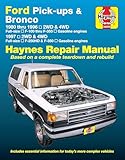
- Step-by-step procedures written from a complete teardown and rebuild, giving you the confidence to tackle repairs at any skill level.
- Over 700+ clear photos and diagrams that simplify complex systems, helping you complete jobs faster and with fewer mistakes.
- Comprehensive troubleshooting and fault-finding guides to quickly diagnose problems and reduce costly downtime.
How do the Malibu eras compare?
The most useful comparison is not only the generation number. Drivetrain era, body style, powertrain, and the intended research task separate the Malibu families more reliably than the badge alone.
| Era | Platform or drivetrain distinction | Body-style and variant clues | Best research focus |
|---|---|---|---|
| 1964–1977 | Chevelle-family intermediate | Malibu series, including early Malibu SS; Chevelle-era coupes, sedans, convertibles, and wagons appeared across the family. | Chevelle Malibu history, original literature, and restoration research. |
| 1978–1983 | Standalone rear-wheel-drive Chevrolet intermediate | Standalone Malibu name after Chevrolet retired Chevelle. | Classic Malibu restoration and era-specific service information. |
| 1984–1996 | No U.S. Malibu passenger-car model | Nameplate hiatus rather than a Malibu generation. | Verify that a supposed Malibu reference is not confusing another Chevrolet model with the absent nameplate. |
| 1997–2025 | Front-wheel-drive midsize-car lineage | Sedan-centered modern range; Malibu Maxx was a five-door variant in 2004–2007, and Malibu Hybrid was a powertrain variant in the modern period. | Used-car, maintenance, and DIY repair research matched to the exact model year and configuration. |
The collector-versus-daily-driver distinction is a practical editorial lens rather than an official Chevrolet classification. Early Chevelle Malibu and 1978–1983 cars are usually researched as classic or restoration vehicles, while 1997–2025 cars are more often researched for used transportation, maintenance, and DIY repairs. Individual vehicles can of course fall outside those patterns.
What years does a Chevrolet Malibu repair manual cover?
A Chevrolet Malibu repair manual can cover one modern generation, several related Chevelle-era vehicles, or a broad Chevrolet mid-size-car range. Haynes’ catalog lists coverage for 1964–1988 Chevrolet mid-size cars, 1969–1987 Chevelle/Malibu/El Camino models, 1997–2003 Malibu, 2004–2012 Malibu, 2013–2019 Malibu, 2020–2024 Malibu, and Malibu Mk IX models from 2016–2025. The Haynes Chevrolet Malibu manual catalog should be checked for the exact edition and coverage before purchase.
For readers moving from history to hands-on work, a Chevrolet Malibu repair manual is useful only when the coverage matches the vehicle. Haynes lists ranges for 1964–1988 Chevrolet mid-size cars, 1969–1987 Chevelle/Malibu/El Camino models, 1997–2003 Malibu, 2004–2012 Malibu, 2013–2019 Malibu, 2020–2024 Malibu, and Malibu Mk IX 2016–2025; verify the exact year, body style, engine, and hybrid status before buying.
| Catalog coverage | Vehicles or Malibu years represented | What to verify |
|---|---|---|
| 1964–1988 Chevrolet mid-size cars | Chevelle, Malibu, El Camino, Laguna S-3, and Monte Carlo | The broad range includes several Chevrolet nameplates, so the book is not automatically specific to every Malibu configuration. |
| 1969–1987 Chevelle/Malibu/El Camino | Chevelle, Malibu, and El Camino | Check the exact model-year coverage and whether the vehicle is a Chevelle Malibu or a standalone 1978–1983 Malibu. |
| 1997–2003 Malibu | Fifth-generation front-wheel-drive Malibu | Do not substitute 1978–1983 or 2004-and-newer procedures based only on the Malibu badge. |
| 2004–2012 Malibu | Sixth- and seventh-generation-era Malibu coverage | Check whether Malibu Maxx, sedan, and hybrid configurations are included for the specific procedure. |
| 2013–2019 Malibu | Eighth-generation and early ninth-generation model years | Confirm the exact year because 2013–2015 and 2016–2019 belong to different generations. |
| 2020–2024 Malibu | Later ninth-generation Malibu | Verify that the book covers the exact year and powertrain before relying on wiring, service, or component instructions. |
| Malibu Mk IX, 2016–2025 | Ninth-generation Malibu | Check the manual’s specific model-year and configuration limits, especially for the 2025 final year. |
Use this compatibility checklist before buying a manual
- Confirm the model year, not merely the registration year or the word Malibu in the listing.
- Identify the generation: Chevelle Malibu, standalone 1978–1983 Malibu, 1997–2003 revival, 2004–2007 Malibu, 2008–2012 redesign, 2013–2015 generation, or 2016–2025 final generation.
- Match the body style, particularly a Malibu sedan versus the five-door Malibu Maxx.
- Match the engine and powertrain because year-specific powertrain changes can alter repair procedures.
- Identify Malibu Hybrid status before using maintenance or component instructions.
- Read the manual’s stated coverage range and exclusions before purchasing or beginning a repair.
The model name alone is not a sufficient compatibility check. A “Malibu” manual covering 1997–2003 is not automatically appropriate for a 2004 Malibu, a 2004 Malibu Maxx, a 2008 Malibu Hybrid, or a 1964 Chevelle Malibu.
The Bottom Line
Bottom line: Chevrolet Malibu generations run from 1964 through 1983 and resume from 1997 through 2025 in North America. The name began as a Chevelle series, became a standalone rear-wheel-drive model in 1978, returned as a front-wheel-drive sedan in 1997, and ended with the 2025 model year.
Quick Recap
Product prices and availability are accurate as of the date/time indicated and are subject to change. Any price and availability information displayed on Amazon at the time of purchase will apply.