Recommended Free Tools
Octane resists; cetane ignites. Octane rates gasoline’s resistance to knock in spark-ignition engines. Cetane describes diesel fuel’s ignition quality in compression-ignition engines. They measure different properties on different scales, so a gasoline octane number cannot be converted to—or directly compared with—a diesel cetane number.
What do octane and cetane measure?
Gasoline engines use a spark plug to start combustion. The fuel-air mixture should not ignite prematurely under compression; octane measures gasoline’s resistance to that unwanted auto-ignition, which can cause engine knock. The U.S. Energy Information Administration describes octane rating as “the measure of fuel stability.” EIA: Gasoline explained – octane in depth
In a diesel engine, fuel is injected into hot, compressed air and ignites. Cetane characterizes how readily diesel fuel ignites—particularly the delay between injection and ignition. ASTM International defines cetane number as a measure of diesel fuel oil’s ignition characteristics in compression-ignition engines. ASTM D613-26: Standard Test Method for Cetane Number of Diesel Fuel Oil
How are the scales different?
| Comparison | Octane | Cetane |
|---|---|---|
| Fuel | Gasoline | Diesel fuel oil |
| Engine type | Spark ignition | Compression ignition |
| What a higher number indicates | Greater resistance to knock and premature auto-ignition | Easier ignition and shorter ignition delay |
| What to check | Whether gasoline meets the octane grade specified for the engine | Whether diesel meets the vehicle and fuel specification |
| U.S. fuel-pump display | Gasoline’s antiknock index, calculated as (R+M)/2 | No directly comparable gasoline-style pump number is established by the cited sources |
The numbers describe separate fuel properties and test contexts, not opposite ends of one scale. For example, 91 octane is not “better” or “worse” than 50 cetane; the figures cannot be compared directly. U.S. law likewise treats automotive gasoline fuel rating as an octane rating and defines cetane rating as a measure of diesel ignition quality. U.S. Code, Title 15, Chapter 55
Free tools Windows power users keep installed
One-click scans. No signup required.
#1 Best Overall

- 7-TEST ADVANCED FUEL ANALYSIS – Get comprehensive 7-point diesel fuel testing for Water, BS&W, microbial contamination, DEF contamination, Gasoline in Diesel, Cetane Index and Flash Point through professional laboratory analysis.
- IDENTIFY FUEL CONTAMINATION – Detect common diesel fuel contamination concerns including water, sediment, microbial activity, DEF and gasoline contamination that may affect fuel quality, equipment performance and fuel system operation.
- ANALYZE DIESEL FUEL QUALITY – Advanced testing goes beyond contamination screening to evaluate Cetane Index and Flash Point, providing additional insight into diesel fuel ignition quality and potential lighter-fuel contamination.
- COMPLETE SAMPLE COLLECTION KIT – Includes a diesel fuel sample bottle, identification cap, absorbent material, protective sample bag, disposable gloves, registration card, collection instructions and protective shipping box.
- PREPAID LAB TESTING & RETURN SHIPPING – Professional laboratory analysis is included with the Advanced Package, along with a prepaid return shipping label for convenient submission of your collected diesel fuel sample.
What does the octane number on a U.S. gas pump mean?
In the United States, the posted gasoline number is the antiknock index, calculated by averaging the research octane number and motor octane number: (R+M)/2. The EIA gives typical U.S. retail grades as regular, generally 87; midgrade, 89–90; and premium, 91–94. These are U.S. gasoline examples, not diesel cetane values. Pump-label conventions can differ in other countries. EIA: Gasoline explained – octane in depth
Use the grade specified for your vehicle rather than assuming the highest available octane is always preferable. The rating explains knock resistance; it does not by itself establish that a higher grade will improve power or economy in every engine.
Rank #2

- 12-TEST COMPLETE FUEL ANALYSIS – Get UnderMyHood’s most comprehensive,12-point diesel fuel testing package with Water, BS&W, microbial, DEF, gasoline, Cetane, Flash Point, Cloud & Pour Point, Biodiesel, Sulfur and deposits testing.
- COMPREHENSIVE CONTAMINATION TESTING – Identify water, sediment, microbial contamination, DEF and gasoline contamination while also quantifying gasoline percentage for a deeper evaluation of questionable diesel fuel.
- ANALYZE FUEL QUALITY & COMPOSITION – Test Cetane Index, Flash Point, Cloud & Pour Point, Biodiesel %, and Sulfur to evaluate important diesel fuel quality, composition and low-temperature characteristics.
- CHECK FOR FUEL DEPOSITS & VARNISH – The Complete Package evaluates fuel-derived deposits and varnish that may indicate fuel degradation and contribute to fuel-system fouling, filter problems and operational concerns.
- PROFESSIONAL LABORATORY ANALYSIS – Submit your collected diesel fuel sample for professional laboratory testing. Prepaid analysis and return shipping are included, making the testing process simple from sample collection through results.
How is cetane number measured?
ASTM D613-26, the 2026 edition listed by ASTM, measures cetane number using a standardized compression-ignition test engine. Its scope specifies a single-cylinder, four-stroke, variable-compression-ratio, indirect-injection engine. ASTM describes a typical test range of 30–85 on a cetane scale of 0–100. The standard also notes that the relationship between results from this test engine and full-scale engines operating at varying speeds and loads is not completely understood. These test details do not establish a universal retail cetane value. ASTM D613-26: Standard Test Method for Cetane Number of Diesel Fuel Oil
Independent reader supportYour contribution helps us test, update, and keep practical guides available for everyone.Does a diesel engine need a cetane booster?
Not automatically. Whether an additive is useful depends on the vehicle’s requirements, the fuel being used, and the additive’s instructions. A diesel cetane booster is not the same as a gasoline octane booster, and a product claim is not proof that every diesel vehicle benefits from it.
Do these 3 things before closing this tab:
1Clear out junk files and repair common Windows errors2Scan for outdated or missing drivers - takes under a minute3Repair Windows errors before they cause bigger problemsRank #3

- Accurate Detection in Seconds: Identify water contamination quickly, ensuring diesel quality and protecting your engine.
- Compatible with All Diesel Systems: Perfect for diesel tanks, backup generators, boats, trucks, and agricultural equipment.
- Easy-to-Use Testing Solution: Simple instructions make testing your fuel hassle-free—no special tools required.
- Reliable Results, Every Time: Trusted by professionals for routine maintenance and preemptive quality checks.
- Portable & Cost-Effective: Compact kit for on-the-go testing—save time and money by catching issues early.
For example, Motul describes its product as a diesel cetane booster and claims an increase of up to five cetane-number points. That is the manufacturer’s claim; it is not independent test evidence or a recommendation for every engine. Follow the vehicle manual and product directions before using an additive. Motul: MOTUL CETANE BOOSTER DIESEL
Quick Recap
Best Value

- Cleans dirty injectors and prevents injector sticking in both High Pressure Common Rail (HPCR) and older systems
- Boosts cetane up to 6 numbers – engines run smoother with less power lag and faster cold starts
- Effective in all diesel fuels, including ULSD, biodiesel and biodiesel blends
- Fit type: Universal
- Part number: 3064-06
Rank #4
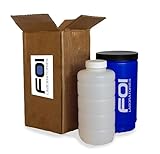
- LAB TESTING NOT INCLUDED — This purchase is the life-safety FOI diesel fuel sample collection and shipping kit. It provides the materials and documentation needed to properly collect in continuity and submit a diesel fuel sample to a laboratory. Laboratory analysis and testing fees are purchased separately.
- FIRST STEP IN THE CONTINUITY WORKFLOW — The standby sample kit establishes the prepared starting point for an FOI fuel-quality event. Having the correct sampling materials, documentation, and shipping pathway, stand-by ready, allows the continuity workflow and chain of custody to begin at the time the sample is taken rather than after materials must be sourced.
- ESTABLISHES DOCUMENTED SAMPLE CUSTODY — The included Sample Information Form (SIF), container, secondary containment, absorbent materials, isolation packaging, and instructions support a documented chain of custody, tracking the sample from the source thru final record.
- WHAT'S INCLUDED — A engineered life-safety diesel-compatible sample container, secondary containment, absorbent material, isolation packaging, shipping carton, Sample Information Form, and collection/shipping instructions for shipping a diesel sample safely.
- LABORATORY ANALYSIS AVAILABLE SEPARATELY — After collection, the sample may be submitted to FOI Laboratories for the appropriate ASTM D975 / NFPA 110 fuel-quality testing package. Laboratory testing is not included with the purchase of this kit.
Product prices and availability are accurate as of the date/time indicated and are subject to change. Any price and availability information displayed on Amazon at the time of purchase will apply.




