The best fuel injector for a gas car is the correctly matched part for its engine and injection system—not automatically a larger or “performance” injector. Replacing a faulty injector with the right specification can restore intended fuel delivery, but there is no established universal MPG or horsepower gain from changing injectors on a healthy stock engine. Diagnose the problem first, then verify fitment by engine and OE part number.
What a fuel injector does—and why fit matters
A fuel injector meters fuel in a controlled amount and at a particular time and rate, atomizes it, and distributes it for combustion, according to the EPA’s technical report on automotive emissions control. Its job is not simply to deliver as much fuel as possible: the engine’s fuel system and controls are designed around specific injector characteristics.
That is why a part that physically fits may still be wrong for the application. Flow calibration, spray pattern, connector, seals, operating pressure, and placement all matter. Bosch notes that its port-injection spray pattern, orifice geometry, installation, and targeting are adapted to engine-specific requirements in its gasoline port-injection product description.
First identify whether the car uses PFI or GDI
Gasoline engines may use port fuel injection (PFI), gasoline direct injection (GDI), or a combined system. Their injectors are not interchangeable. Check the owner’s manual, service information, or a reliable parts catalog for the exact engine and system before shopping.
The Tool Desk
Outbyte Driver Updater FREEFix the driver behind crashes, sound loss and screen glitchesFind Drivers →Outbyte PC Repair FREEClear out junk files and repair common Windows errorsFree Scan →#1 Best Overall
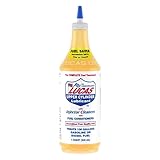
- The world’s #1 fuel additive for both gasoline and diesel engines
- A great tune-up in a bottle – treats gasoline, diesel fuel and increases MPG
- Cleans and lubricates the fuel system, including fuel injectors, carburetor and combustion chamber
- Improves fuel economy by burning excess exhaust emissions
- Increases power and acceleration by improving fuel flow and reducing deposit buildup
| System | Where fuel is injected | Pressure context |
|---|---|---|
| PFI | Into the intake port before the inlet valve; mixture formation occurs outside the combustion chamber. | Bosch describes approximately 6 bar for the PFI system on its port-injection page. This is a Bosch system description, not a specification for every gasoline engine. |
| GDI | Directly into the combustion chamber. | Bosch says the high-pressure circuit on its GDI page can reach up to 350 bar. This is not a universal maximum for all GDI vehicles. |
Bosch also lists 50–130 μm reduced droplet size and E0–E100 ethanol resistance for the PFI product range described on its product page. Those are manufacturer-stated characteristics, not independent comparative test results or a promise that the injector suits a particular vehicle.
How to choose a replacement injector
- Identify the full vehicle application. Record the year, make, model, engine, and whether it uses PFI, GDI, or a combined setup. A make-and-model search alone can miss engine variants.
- Find the OE part number. Use vehicle-specific service information or a trustworthy catalog. Cross-reference the number against the replacement listing rather than relying only on a broad compatibility claim.
- Check the physical and functional details. Confirm connector, dimensions, seals, pressure/application, and the injector’s specified flow and spray calibration against the vehicle’s requirements.
- Review the maker’s fitment information. Bosch says all its fuel injectors released to the aftermarket are OE fit, form, and function and produced to OE specifications. That is a manufacturer claim about Bosch’s aftermarket range; it does not guarantee fitment for every listing or car. Verify the exact application.
- Compare the complete purchase terms. Check whether compatible seals or installation pieces are included, plus warranty and return terms. Current prices and warranty details vary by listing; the available information here does not establish a current price comparison or ranked product test.
Without a specific vehicle, OE number, and verified current catalog, there is no defensible universal “best” injector to name. Choose the correctly specified part from a manufacturer and seller that provide clear application data and a usable return policy.
Rank #2

- DESIGNED TO EXCEED EXPECTATIONS: Red Line complete SI-1 fuel system cleaner treatment for cleaning and preventing corrosion in fuel systems
- PERFORM AND PROTECT: Fuel additive cleans injectors, carburetors, valve and combustion chamber deposits with a powerful, concentrated blend of high-temp and low-temp detergents
- EFFICIENT FUEL BURN: Gas treatment that enhances gasoline stability, while reducing the build up of gum and varnish formation
- EASY TO USE: Use one bottle per tank for most effective treatment, additive cleans nearly 100% efficiency in one treatment
- 15 Ounce (2 Pack)
Can new injectors improve MPG or add horsepower?
A correctly matched replacement may restore intended operation if a diagnosed injector fault is affecting fuel delivery. That is different from upgrading injectors on a healthy stock engine. The available evidence does not establish a predictable MPG increase or horsepower gain from that change, and it does not support a percentage claim.
A larger injector is not automatically an upgrade. Fuel delivery is part of an engine-specific system, and fitting a part with the wrong flow or spray characteristics can be a poor match. Do not buy injectors on the assumption that more capacity alone creates more power or better economy.
Free tools Windows power users keep installed
One-click scans. No signup required.
Rank #3
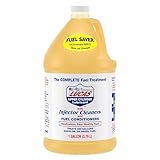
- The world’s #1 fuel additive for both gasoline and diesel engines
- A great tune-up in a bottle – treats gasoline, diesel fuel and increases MPG
- Cleans and lubricates the fuel system, including fuel injectors, carburetor and combustion chamber
- Improves fuel economy by burning excess exhaust emissions
- Increases power and acceleration by improving fuel flow and reducing deposit buildup
The EPA’s consumer guidance on fuel-economy claims advises skepticism about products promising to greatly improve fuel economy. That page does not test injectors specifically; it supports caution about broad promises, not a claim that a properly chosen injector cannot correct a diagnosed fault.
Independent reader supportYour contribution helps us test, update, and keep practical guides available for everyone.Symptoms that may justify diagnosis—not guesswork
Hard starting, rough idle or stalling, hesitation, surging, poor acceleration, and poor fuel economy can occur with component defects, as the historical 1977 EPA technical report discusses. These signs do not prove an injector has failed: different components can cause similar symptoms, and diagnosis is needed before buying parts. The report is useful here for that general caution, not as a current repair procedure.
Quick Recap
Rank #4

- 【JEEP, RAM & VW APPLICATIONS】Compatible with Jeep Grand Cherokee 2011–2015 and Wrangler 2012–2017; compatible with Ram 1500 2013–2017, C/V 2012–2015 and ProMaster 1500/2500/3500 2014–2018; compatible with Volkswagen Routan 2011–2014. Not for Ram 2500 or Ram 3500 pickup trucks.
- 【COMPLETE OE REFERENCE】Replaces or cross-references 0280158233, 05184085AC, 5184085AC, 5184085AD, RL184085AC, FJ1147, 4G2269, 800-2183N and 8002183N. Engine size or nozzle-hole quantity alone does not confirm fitment; verify the original injector number before ordering.
- 【SET OF 6 WITH 4-HOLE NOZZLES】Package includes six gasoline fuel injectors with 4-hole nozzles, 2-blade electrical terminals and preinstalled upper and lower O-rings. Designed to match the specified factory-style connector and installation dimensions when the OE number and vehicle application are correct.
- 【INSTALLATION & LEAK CHECK】Relieve fuel pressure and follow the vehicle service procedure. Lubricate the new O-rings with clean engine oil, fully seat each injector and inspect the fuel rail and both ends of every injector for leakage before driving. Professional diagnosis and installation are recommended.
- 【INSTALLATION & LEAK CHECK】Relieve fuel pressure and follow the vehicle service procedure. Lubricate the new O-rings with clean engine oil, fully seat each injector and inspect the fuel rail and both ends of every injector for leakage before driving. Professional diagnosis and installation are recommended.
- Do not select an injector based on a symptom list alone.
- Have the vehicle’s fault and application checked before ordering, especially when the engine has multiple variants or injection systems.
- Consider cleaning only when a cleaning job has been diagnosed; a cleaning kit or service is not a guaranteed fix for every injector fault or a promise of improved economy.
Product prices and availability are accurate as of the date/time indicated and are subject to change. Any price and availability information displayed on Amazon at the time of purchase will apply.