There is not enough model-specific evidence here to name the best auto ionizers or verify that any particular unit improves air quality in an occupied car. Ionizers charge particles rather than necessarily capturing them, may not remove gases or odors, and can produce ozone. This guide explains what they can do, what safety and certification claims mean, and how to compare them with cabin filters.
Do car ionizers work?
Ion generators give airborne particles an electrical charge. The particles may then cling to nearby surfaces or occupants, or clump together and settle. Unless the device has a collector, that is not the same as trapping particles in a filter; deposited dust can be stirred back into the air.
The U.S. Environmental Protection Agency says ion generators may remove some small particles, such as tobacco smoke, but may be relatively ineffective against larger particles such as pollen and house-dust allergens. It also says they do not remove gases or odors. This is general indoor-air guidance, not an independent test of a particular car ionizer or proof of performance inside a moving vehicle. Read the EPA’s explanation of ionizers and ozone-generating air cleaners.
Are auto ionizers safe to use in an occupied car?
Ozone is the central safety concern. EPA identifies ozone as a lung irritant and notes that ion generators can produce it indirectly. Its guidance also warns that concentrations needed for many pollutant-control claims exceed levels generally considered safe for people. California Air Resources Board (CARB) advises consumers to avoid products that intentionally emit ozone or produce it as a by-product. Do not use an ozone-generating air cleaner in an occupied vehicle. CARB’s consumer fact sheet discusses ozone emissions from consumer products.
Do these 3 things before closing this tab:
1Fix the driver behind crashes, sound loss and screen glitches2Clear out junk files and repair common Windows errors3Scan for outdated or missing drivers - takes under a minute#1 Best Overall

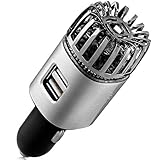
- STRONG IONIZATION: This car air purifier ionizer and car deodorizer releases up to 5.6 million negative ions per cm3 that capture smoke, dust, pollen, and PM2.5; helps neutralize pet, food, and cigarette odors for fresher cabin and vehicle air daily
- OZONE FRESHENING: The ionic ozone output gives a light, natural new car scent like a summer rain shower. This car air freshener and car deodorizer masks and breaks down stale cigarette smoke, pet, and musty smells between drives. Freshens cabin daily
- SILENT OPERATION: The quiet car ionizer runs at low noise so the cabin stays calm on commutes, rideshare shifts, and road trips. The filter free, maintenance free design needs no refill, no wires, and no app. Fresh air flows without a sound
- MATTE STEEL DESIGN: A crystal blue LED ring adds modern style and ambient light to locate the unit in the dark. The durable stainless steel body upgrades your car interior. It's a sleek car interior upgrade built to resist daily wear
- EASY PLUG IN SETUP: Works as a plug in car air freshener and auto air purifier. Insert any 12v outlet no wires, filters; at 1.5 x 1.5 x 4.9 in it fits cars, trucks, SUVs. Gift for smokers, pet owners, allergy sufferers. Freshens air with no upkeep
Bipolar ionization claims
Bipolar ionization is a particular ionization technology, not a label for every ionizer. EPA says its safety and effectiveness evidence is less documented than that for established technologies such as filtration, and notes possible by-products including ozone. For people choosing a bipolar-ionization device, EPA recommends looking for UL 2998 certification. That specific recommendation should not be treated as a universal certification rule for every type of ionizer. See EPA’s guidance on bipolar-ionization devices.
What does CARB certification tell you?
CARB’s air-cleaner rules cover applicable devices intended to clean air near a person, including in a motor vehicle. For covered electronic air cleaners sold to California consumers or businesses, the requirements include electrical-safety testing and ozone-emissions testing. The ozone concentration limit is 0.050 ppm (50 ppb). This is a regulatory emissions threshold, not a measurement of a particular product’s emissions in your car and not evidence that it removes pollutants effectively. CARB explains its air-cleaner requirements for consumers.
Rank #2

- 【𝗦𝗮𝘆 𝗚𝗼𝗼𝗱𝗯𝘆𝗲 𝗧𝗼 𝗕𝗮𝗱 𝗦𝗺𝗲𝗹𝗹𝘀】This ozone machine eliminates odors of home, pets, cars, cooking and other odors in home/car. It is highly suitable for various spaces, such as cars, boats, dumpsters, kitchens, bathrooms, basements, and so on.
- 【𝗔𝗧𝗧𝗘𝗡𝗧𝗜𝗢𝗡】𝗢𝗭𝗢𝗡𝗘 𝗛𝗔𝗦 𝗔 𝗦𝗧𝗥𝗢𝗡𝗚, 𝗣𝗨𝗡𝗚𝗘𝗡𝗧 𝗢𝗗𝗢𝗥.𝗠𝗔𝗞𝗘 𝗦𝗨𝗥𝗘 𝗡𝗢 𝗣𝗘𝗢𝗣𝗟𝗘, 𝗣𝗘𝗧𝗦, 𝗢𝗥 𝗣𝗟𝗔𝗡𝗧𝗦 𝗔𝗥𝗘 𝗔𝗥𝗢𝗨𝗡𝗗 𝗪𝗛𝗘𝗡 𝗜𝗡 𝗨𝗦𝗘. Before treatment, clean the odor source first. After treatment, ventilate for 1 Hour to let ozone Convert to Oxygen. For use in unoccupied areas only. Do not use while people or pets are present.
- 【𝗠𝗮𝘅 𝟰𝟱,𝟬𝟬𝟬𝗺𝗴/𝗵 𝗢𝘇𝗼𝗻𝗲 𝗢𝘂𝘁𝗽𝘂𝘁】Upgraded High-Unit Fully Paved Integrated single layer ozone plat - 45,000 mg/h output and space up to 2,500 sq ft (Verified)Designed for Air fresheners for home & car.
- 【𝗟𝗢𝗡𝗚 𝗧𝗘𝗥𝗠 & 𝗦𝗧𝗔𝗕𝗟𝗘】Up to 35,000 hours lifetime and does not require any complex parts except 2 pre-installed fuses. For closet, car, shoes, gym bag, basement, pet areas.
- 【𝗛𝗢𝗠𝗘 &𝗖𝗢𝗠𝗠𝗘𝗥𝗖𝗜𝗔𝗟 𝗨𝗦𝗘𝗗】Eliminates odors of home, pets, cars. Suitable for various spaces, such as cars, boats, dumpsters, kitchens, bathrooms, basements, and so on. For home & industrial use. Use only in unoccupied spaces. Health hazard: emits ozone.
CARB is explicit about the limits of its listing: “CARB does not evaluate the effectiveness of air cleaners at removing pollutants and CARB certification does not imply that a specific air cleaner is ‘safe to use’.” Its certified-device list is continuously updated, so check the exact brand and model at the time of purchase. Treat a listing as evidence of meeting specified regulatory requirements—not as a best-product award, health benefit, or guarantee of in-car performance.
Ionizer vs. cabin air filter: which is more appropriate?
These technologies work differently and should not be treated as interchangeable. EPA describes filters as devices that remove particles, while activated carbon can remove gases. The available guidance does not establish a head-to-head vehicle test comparing ionizers with cabin filters or portable car purifiers. EPA’s air-cleaner guide explains filtration and activated carbon.
Windows Errors? Fix Them Before They Spread
Repair common Windows errors and clear accumulated junk for a smoother, more stable PC - no reinstall needed.Free scan · no reinstallOutdated Drivers Are Slowing You Down
One free scan finds every outdated or missing driver and matches the right update for your exact hardware.Free scan · exact hardware matchRank #3
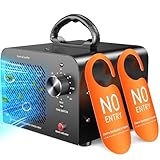
- ⚠️𝗢𝗭𝗢𝗡𝗘 𝗛𝗔𝗦 𝗔 𝗦𝗧𝗥𝗢𝗡𝗚, 𝗣𝗨𝗡𝗚𝗘𝗡𝗧 𝗢𝗗𝗢𝗥. ⚠️𝗠𝗔𝗞𝗘 𝗦𝗨𝗥𝗘 𝗡𝗢 𝗣𝗘𝗢𝗣𝗟𝗘, 𝗣𝗘𝗧𝗦, 𝗢𝗥 𝗣𝗟𝗔𝗡𝗧𝗦 𝗔𝗥𝗘 𝗔𝗥𝗢𝗨𝗡𝗗 𝗪𝗛𝗘𝗡 𝗜𝗡 𝗨𝗦𝗘. ⚠️𝗕𝗲𝗳𝗼𝗿𝗲 𝘁𝗿𝗲𝗮𝘁𝗺𝗲𝗻𝘁, 𝗖𝗹𝗲𝗮𝗻 𝘁𝗵𝗲 𝗼𝗱𝗼𝗿 𝘀𝗼𝘂𝗿𝗰𝗲 𝗳𝗶𝗿𝘀𝘁 . ⚠️𝗔𝗳𝘁𝗲𝗿 𝘁𝗿𝗲𝗮𝘁𝗺𝗲𝗻𝘁, 𝘃𝗲𝗻𝘁𝗶𝗹𝗮𝘁𝗲 𝗳𝗼𝗿 𝟭 𝗛𝗼𝘂𝗿 𝘁𝗼 𝗹𝗲𝘁 𝗼𝘇𝗼𝗻𝗲 𝗖𝗼𝗻𝘃𝗲𝗿𝘁 𝘁𝗼 𝗢𝘅𝘆𝗴𝗲𝗻.
- 【Say Goodbye To Bad Smells】This ozone machine eliminates odors by changing the molecular structure. It is more effective than other air purifiers. The ozone generator can remove the smell of smoke, pets, cars, cooking, and other odors in these spaces
- 【Max 48,000mg/h Ozone Output】Owing to a highly conductive paste and ceramic coating technology, this ozone panel can effectively produce ozone, surpassing most ozone machines on the market. With a high ozone output of 48,000mg per hour, this ozone generator odor removal area can cover 4,000+ sq. ft
- 【Application】Ozone generators are highly suitable for various spaces, such as cars, boats, dumpsters, kitchens, bathrooms, basements, and so on. Please note that the machine needs to be used in an enclosed space and people, animals, and plants must be kept away when the machine is working
- 【EASY TO USE】 Just turn the timing knob of the air ozone machine to set the ozone generation time and leave the room. If you turn the knob from "OFF" to "HOLD". The Machine will continuously release ozone until you manually turned off. It will be more effective to remove the odor source before using the machine
| Option | How it works | What the cited guidance supports | What to verify for a car |
|---|---|---|---|
| Ionizer | Charges airborne particles so they may cling to surfaces or settle; a unit may also have a collector. | May remove some small particles; may perform relatively poorly on larger particles and does not remove gases or odors (EPA). | Exact-model ozone evidence, intended use in an occupied vehicle, placement, power, maintenance, compatibility, and independent in-car results. |
| Mechanical cabin filter | Captures particles in filter media. | EPA describes filtration as a particle-removal method; the cited sources provide no comparative in-car results for a particular filter. | Vehicle fitment, filter type, replacement interval, and whether the product addresses the contaminant you care about. |
| Portable car purifier with activated carbon | May combine particle filtration with a gas-adsorbing material such as activated carbon. | EPA describes activated carbon as a material that can remove gases; the cited sources do not establish performance for any particular car purifier. | Exact model’s filter design, vehicle suitability, maintenance, ozone evidence, and independent in-car testing. |
How to assess an auto-ionizer product claim
- Identify the exact model and intended use. Confirm that the manufacturer specifies use in a vehicle and explains where to place the unit, how it is powered, and what upkeep it requires. Those details have not been verified for any particular model here.
- Match the claim to the pollutant. An ionizer’s particle-charging mechanism is not evidence that it removes odors or gases. For gases, look for specific evidence about an adsorbent such as activated carbon; for particles, check what kind of filtration or collection the device actually uses.
- Check ozone information for the exact model. Look for current, model-specific emissions documentation and any applicable certification. Do not infer zero ozone or effective cleaning from a generic claim, and do not treat California’s emissions limit as proof of performance.
- Check the current CARB list if the device is subject to California rules. Search for the precise brand and model in the CARB certified-device list; its contents can change. A listing does not establish pollutant-removal effectiveness or guarantee that a device is safe in your particular use.
- Look for independent in-car testing. Useful evidence should test the exact model in a vehicle and describe the conditions and measured outcomes. Generic indoor-air claims or certification alone do not establish real-world car performance.
- Compare with the vehicle’s cabin filter. Check your vehicle’s recommended filter type and replacement guidance if your goal is particle capture. Choose a device based on documented performance for your target pollutant, not the word “ionizer.”
Are any auto ionizers established as the best picks?
No. The available official sources explain ionization generally and set out applicable certification requirements, but they do not provide model-specific, independent in-car performance evidence, verified current vehicle compatibility, or a basis for ranking products. A “best” recommendation would require evidence for the exact model, including useful in-car performance and relevant ozone information. Until then, compare documented features and consider a correctly fitted cabin filter or a car purifier with clearly specified filtration rather than relying on an unsupported ranking.
Quick Recap
Product prices and availability are accurate as of the date/time indicated and are subject to change. Any price and availability information displayed on Amazon at the time of purchase will apply.




