What’s actually slowing this PC down?
Pick the symptom - the matching free tool is one click away.
When an ADAS warning says a sensor is blocked, first clean and dry the sensor area identified in your vehicle’s owner manual. The right method depends on the vehicle: Tesla instructions can call for rinsing a camera before microfiber drying, while Hyundai specifies mild soap or neutral detergent and thorough rinsing. Avoid scraping, abrasive tools, harsh cleaners, stickers, tint, or unapproved accessories near sensing areas. If the warning persists—or the windshield, bumper, or sensor mount has been damaged or repaired—get the system inspected rather than assuming it only needs another wipe.
Why ADAS sensors are easy to obstruct
Driver-assistance systems rely on cameras, radar, and ultrasonic sensors to detect lanes, vehicles, and nearby objects. Hardware may sit at the windshield, grille, bumper, mirrors, or elsewhere around the body. Dirt or damage in a sensor’s viewing or detection path can limit performance or trigger a warning.
As an Amazon Associate I earn from qualifying purchases.
Hyundai’s 2025 owner guidance identifies a front-view camera, front radar, corner radar, and multiple ultrasonic sensors, and cautions that an impact can damage or misalign a sensor even when no dashboard warning appears. Separately, NHTSA-hosted degradation-testing material lists debris accumulation, blockage, mount displacement, pitting or scratches, water absorption, and discoloration among conditions considered for camera, radar, and lidar systems. These are reasons to keep sensing areas unobstructed—not a measure of how often contamination causes warnings.
What can trigger a blocked-sensor warning?
Contamination is only one possibility. Weather, surface damage, and objects that interfere with a sensor’s path can all affect operation.
#1 Best Overall
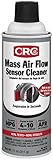
- Increases Horsepower And Improves Air/Fuel Ratio And Mpg
- Plastic Safe-Dries In Seconds
- Not Voc Compliant For California & Otc
- Use Every Time You Clean Or Change Your Filter
- Road grime: mud, salt, bugs, or other debris on a camera window, radar cover, or sensor surface.
- Winter conditions: snow, ice, frost, or temporary fogging. A NHTSA-hosted Nissan bulletin says contamination on the lane-camera viewing window, snow or frost, and temporary fogging can make an AEB warning blink.
- Weather and visibility: Hyundai lists snow and rain among conditions that can reduce or temporarily limit Forward Collision-Avoidance Assist.
- Glass or sensor damage: pitting, scratches, a damaged windshield, or an impacted or misaligned mount.
- Added obstructions: stickers, tint, or coatings in the camera’s path; aftermarket deer guards, bumper guards, or snow plows that obstruct radar. Hyundai also warns that reflective objects on the dashboard can interfere with camera sensing.
How to clean an ADAS sensor safely
- Park safely and find the sensing area. Use the owner manual to identify the camera window, radar cover, or other sensor location. Do not assume every sensor is visible or positioned in the same place.
- Remove loose material gently. Clear mud, salt, snow, or ice without scraping a camera lens or radar cover with a sharp object. Do not press, strike, or force a sensor assembly.
- Follow the vehicle’s exact cleaning instructions. Procedures differ by manufacturer and can differ by vehicle build date. Tesla’s cited material says specified newer vehicles may be cleaned by spraying water on the camera lens and drying it with a microfiber cloth; earlier procedures say to rinse exposed debris before wiping rather than rubbing it off with a hand or cloth. Tesla also cautions against chemical-based or abrasive cleaners. Hyundai says not to use a cleanser containing acid or alkaline detergents on camera lenses; it specifies mild soap or neutral detergent, followed by a thorough water rinse.
- Dry as the manual directs. Use a clean microfiber cloth only where the manual allows it, and keep the camera dry where required. A cloth or spray bottle is not universally appropriate: use water spraying only if your vehicle’s instructions permit it.
- Recheck after the area is clean and dry. If the warning remains, treat it as a possible fault or damage issue—not as a reason to scrub harder.
For specified Tesla vehicles, the cited manual recommends weekly camera cleaning in wet weather and monthly cleaning in dry weather. That schedule is not a universal interval; follow the maintenance guidance for your make, model, and build date.
Cleaning instructions vary by vehicle
These examples illustrate why there is no safe universal cleaner or technique. The owner manual for the specific vehicle takes precedence.
Rank #2

- Camera Lens Cleaning Kit (14 pieces), including, air blower, lens pen, cleaning brush, lint-free cloth, lens pen, storage bag, etc.
- Suitable for all brands of SLR cameras and mirrorless cameras, can be used to clean lenses, sensors, screens, and camera bodies.
- Convenient to Carry and Use: The accessories are all packed in a black storage box. When you need to use it, open the storage box and select the tools you need, It is very simple and convenient
- Super soft material safe for easily remove invisible dust, particles and stains from cameras and lenses without leaving scratches, stripes or traces.
- Manufactured by a professional team for photography enthusiasts to provide a very exciting experience, effective, durable, and long-lasting.
| Vehicle guidance | Cleaning method | Important limits |
|---|---|---|
| Tesla, cited material for specified vehicles | Newer vehicles may call for spraying water on the camera lens, then drying with a microfiber cloth. Earlier instructions say to rinse debris before wiping. | Do not use chemical-based or abrasive cleaners. Guidance and cleaning frequency vary by vehicle and build date. |
| Hyundai, 2025 owner guidance | Use mild soap or neutral detergent on camera lenses, then rinse thoroughly with water. | Do not use acidic or alkaline detergent. Avoid stickers or tint on the windshield and reflective dashboard objects that may interfere with sensing. |
What not to put over or use on sensing areas
- Do not scrape a camera lens or radar cover with a blade, sharp tool, or abrasive pad.
- Do not use harsh, chemical-based, acidic, or alkaline cleaners where the vehicle manual prohibits them.
- Do not apply stickers, tint, or coatings over camera viewing areas unless the vehicle manufacturer specifically approves them.
- Do not add accessories that block radar. Bendix maintenance guidance specifically warns that deer guards, bumper guards, snow plows, and similar obstructions can impair radar.
- Do not assume that cleaning the exterior will correct moisture inside a camera, damaged glass, or a shifted sensor mount.
When cleaning is not enough
Arrange qualified inspection if a warning remains after the relevant area is clean and dry, if you see damage to a sensor cover or windshield, or if moisture is visible inside a camera. Inspection is also prudent after windshield, bumper, grille, sensor, or sensor-mount work: repairs can affect a sensor’s position or detection path. Hyundai advises that an impacted sensor can be damaged or misaligned without producing a warning and directs repair or replacement through an authorized dealer.
Windows Errors? Fix Them Before They Spread
Repair common Windows errors and clear accumulated junk for a smoother, more stable PC - no reinstall needed.Free scan · no reinstallCrashes, No Sound, or Screen Glitches?
Random freezes, missing sound and display glitches usually trace back to one bad driver. Find and replace yours safely.Free scan · under a minuteDo not jump straight to camera replacement. A NHTSA-hosted Nissan bulletin directs technicians to clean or repair a dirty or damaged windshield as needed and verify that the warning has stopped before considering camera replacement. A qualified shop can diagnose whether the cause is contamination, glass or mount damage, or a system that needs calibration. Whether calibration is required depends on the vehicle and the work performed; have the repairer confirm it for your make and model.
Quick Recap
Best Value

- 【6 Pieces of 16mm Sensor Cleaning Swabs】 Tailored according to the size of the APS-C frame frame sensor;Smudge-and lintfree, flexible grip rod allows the head to be close to the sensor without harm. The width of swab is 16mm and each swab is vacuum packaged.
- 【Gentle Cleaning Liquid】Colorless and non-irritating, suitable for the sensor and cleaning of SLR cameras; Specially formulated to protect and clean all lens types. Ammonia Free, Toxic Free and Low VOC.
- 【How to use】Dispense 1-2 drop of cleaning fluid onto the edge of the swab, slightly swept it very carefully across the sensor at the appropriate angle, then reversed it and back.
- 【Material】 Sensor cleaning swab is head-covered by superfine microfiber cloth that offers supreme cleaning efficiency.
- 【Wide Usage】This camera sensor cleaning kit not only can clean the camera sensor, can also clean the edge of lens, mobile phone, monitor, lens, etc.
Rank #4

- WHAT CAUSES DUST SPOTS & HOW THIS FIXES IT: Dark spots appear when dust stick to your camera sensor, especially after lens changes. Our alcohol-free sensor cleaner safely lifts dust and smudges without harming coatings, and each 24mm full-frame swab is individually vacuum-sealed to ensure it is completely free of dust and debris before use.
- PROVEN, TRUSTED & SAFE FOR OVER A DECADE: UES sensor cleaning kits have been on the market for more than 10 years and are trusted by thousands of photographers worldwide. Our proven, gentle formula is completely safe for sensitive CMOS & CCD sensors and in-body image stabilization (IBIS) systems used by Sony, Canon, and Nikon.
- SAFE EVEN FOR FIRST-TIME CLEANING The flexible swab handle provides controlled, even pressure across the full-frame sensor, helping prevent streaks and scratches. Clear, predictable movement makes it easy to safely clean your camera at home without special tools or prior experience.
- NO STREAKS, NO LINT, NO FIBERS The precisely sized 24mm swab head perfectly matches full-frame sensors for simple, one-direction cleaning. Ultra-fine microfiber and individual vacuum sealing help prevent lint, streaking, or introducing new dust during the cleaning process.
- FAST, PROFESSIONAL-GRADE MAINTENANCE: Keep your camera gear in peak condition without the wait. Whether you are managing a camera rental fleet, running a photography studio, or maintaining your personal gear at home, this kit provides a quick, reliable solution for routine maintenance after lens changes, travel, or outdoor shooting.
Rank #3

- 【6 Pieces of 24mm Sensor Cleaning Swabs】 Tailored according to the size of the Full frame frame sensor;Smudge-and lintfree, flexible grip rod allows the head to be close to the sensor without harm. The width of swab is 16mm and each swab is vacuum packaged.
- 【Gentle Cleaning Liquid】Colorless and non-irritating, suitable for the sensor and cleaning of SLR cameras; Specially formulated to protect and clean all lens types. Ammonia Free, Toxic Free and Low VOC.
- 【How to use】Dispense 1-2 drop of cleaning fluid onto the edge of the swab, slightly swept it very carefully across the sensor at the appropriate angle, then reversed it and back.
- 【Material】 Sensor cleaning swab is head-covered by superfine microfiber cloth that offers supreme cleaning efficiency.
- 【Wide Usage】This camera sensor cleaning kit not only can clean the camera sensor, can also clean the edge of lens, mobile phone, monitor, lens, etc.
Product prices and availability are accurate as of the date/time indicated and are subject to change. Any price and availability information displayed on Amazon at the time of purchase will apply.




