Most car problems announce themselves through a symptom: a warning light, slow crank, unusual noise, fluid on the driveway, a soft brake pedal, or a tire that keeps losing air. The correct response depends first on risk, not on how easy the repair sounds.
This guide helps you decide what can wait for diagnosis, what you can safely check, and what means you should stop driving and call for professional assistance.


As an Amazon Associate I earn from qualifying purchases.
Start with safety: when a car problem means “stop driving”
Common car problems are symptoms, not diagnoses. A warning light, strange noise, leak, or no-start condition can have several causes—and the safest next step is not always a repair attempt. First decide whether the vehicle can be driven safely, then narrow down the likely fault.
The Tool Desk
Outbyte PC Repair FREEClear out junk files and repair common Windows errorsFree Scan →Outbyte Driver Updater FREEFix the driver behind crashes, sound loss and screen glitchesFind Drivers →- Red oil-pressure or coolant-temperature warning: Pull over as soon as it is safe, switch off the engine, and arrange professional help. Continuing to drive can cause severe engine damage.
- Flashing check-engine light: Stop driving if possible, particularly if the engine is shaking, misfiring, losing power, or making unusual noises. Continued misfire can damage emissions components and the engine.
- Brake trouble: A soft or sinking pedal, major loss of braking, grinding, a brake-fluid leak, or a brake warning light can make the vehicle unsafe to drive.
- Tire or steering danger: Do not continue with a damaged tire, sidewall bulge, exposed cords, severe vibration, or suddenly heavy or difficult steering.
- Smoke, a fuel leak, or a burning smell: Shut down away from traffic if possible, move away from the vehicle if there is a fire risk, and call for assistance.
- Overheating: Stop the engine and let it cool. Never remove a hot radiator or coolant-reservoir cap.
A steady amber check-engine light is not automatically a tow situation, but it should be diagnosed promptly. If the vehicle is losing power, running badly, overheating, or cannot maintain safe control, treat it as a do-not-drive problem.
#1 Best Overall
Dashboard warning lights: what they usually mean
Warning-light colors and meanings vary by vehicle, so consult the owner’s manual. As a general rule, red warnings demand immediate attention, while amber warnings usually indicate a fault that needs diagnosis soon. A light that appears briefly during the ignition self-test and then goes out is normally different from one that remains illuminated while driving.
Check-engine light
The check-engine light, also called the malfunction indicator lamp, monitors the engine and emissions system. Possible causes range from a loose or faulty fuel cap to a failed sensor, damaged wiring, a vacuum leak, an emissions fault, or an engine problem.
| Light behavior | What to do |
|---|---|
| Steady amber | Check that the fuel cap is correctly installed if your vehicle uses one, note any changes in performance, and arrange diagnosis soon. |
| Flashing | Reduce driving immediately and stop if safe—especially if the engine is misfiring, shaking, losing power, or making unusual noises. |
A compatible OBD2 scanner car diagnostic tool can retrieve diagnostic trouble codes from many vehicles and give you useful information to share with a repair shop. It does not prove that the part named in a code has failed. For example, an oxygen-sensor code may be caused by the sensor, wiring, an exhaust leak, or an underlying engine problem.
Basic scanners generally focus on engine and emissions codes. ABS, airbag, transmission, TPMS, hybrid, EV, and manufacturer-specific systems may require enhanced or brand-specific equipment. Check compatibility with your vehicle before buying. Record the code and its accompanying freeze-frame information where available; do not repeatedly erase codes before diagnosis, because clearing them can remove useful evidence and reset emissions monitors.
Oil-pressure warning
A red oil-can light usually indicates low oil pressure, not merely that the oil-change interval has arrived. Pull over, turn off the engine, and check the oil level only after parking safely and waiting as specified in the manual. If the level is normal, the light remains on, or the engine is noisy, do not drive to a repair shop. The engine may have a pump, sensor, blockage, or internal lubrication problem.
Coolant-temperature warning
A temperature gauge in the red or a red temperature warning can result from low coolant, a leak, a failed thermostat, water pump trouble, a blocked radiator, or a cooling-fan fault. Turn off the engine as soon as safely possible. Steam and hot coolant can cause serious burns, so do not open the cooling system while hot.
Battery or charging warning
The battery-shaped light often indicates a charging-system problem rather than a battery that simply needs replacing. A failing alternator, drive belt, wiring fault, or poor connection may eventually leave the vehicle without enough electrical power. Turn off unnecessary electrical loads and head only to a safe stopping place if the car is operating normally; arrange assistance if lights dim, steering changes, the engine runs poorly, or the vehicle is far from safety.
Recommended Free Tools
Brake warning
A brake warning light can indicate that the parking brake is engaged, brake-fluid level is low, or a hydraulic or electronic brake fault exists. If it remains on after releasing the parking brake—or appears with a soft pedal, fluid leak, or reduced braking—stop driving and seek professional help.
TPMS warning
The tire-pressure monitoring system warns of significant underinflation, but it does not replace a visual inspection or a pressure check. A TPMS light may also need to be reset or recalibrated after tire service, depending on the vehicle. Check all tires, including the spare when applicable.
Why a car will not start
Separate a no-crank problem from a cranks-but-does-not-start problem. When you turn the key or press the start button, observe exactly what happens.
No crank, rapid clicking, or slow cranking
- Rapid clicking: commonly points to a weak battery or poor battery-terminal connection.
- Slow cranking: may indicate a discharged or worn battery, corroded connections, a weak ground, a failing starter, or an engine that is difficult to turn.
- One click or no response: possible causes include the starter, starter relay, ignition switch, ground cable, wiring, or a battery connection. A known-good battery does not rule out these faults.
Check whether the interior lights or headlights are unusually dim, but do not keep attempting to start the vehicle until the battery is completely discharged. Inspect terminals only if they are accessible and safe to handle; do not bridge terminals or work around moving parts.
Quick wins for a faster PC:
Repair Windows errors before they cause bigger problemsFix Now →Scan for outdated or missing drivers - takes under a minuteDriver Scan →Clear out junk files and repair common Windows errorsFree Scan →A portable jump starter can provide emergency starting assistance, but it is not a repair. Follow both the vehicle and jump-starter instructions, use the correct voltage, and stop if the battery is swollen, cracked, leaking, frozen, or otherwise damaged. If the vehicle starts with a jump but soon dies, or the battery warning remains on, suspect an alternator or charging fault rather than assuming the battery alone is the problem.
The engine cranks but does not start
Cranking means the starter is turning the engine; it does not mean the engine is receiving the fuel, ignition, timing, or electronic control it needs to run. Possible causes include low fuel pressure, a failed fuel pump, an ignition fault, an engine-speed sensor, immobilizer trouble, wiring, or a control-module problem.
Verify the fuel level rather than relying only on the gauge, listen for unusual behavior from the fuel system, and check for newly appearing warning lights. Avoid repeatedly cranking for long periods, especially if there is a fuel smell. Diagnosis often requires equipment and tests beyond a basic code reader.
Overheating: the safe response
Overheating may show up as a gauge entering the red zone, a temperature warning, steam, a sweet coolant smell, visible coolant, reduced power, or an engine that begins running poorly. Likely causes include low coolant, a hose or radiator leak, a faulty thermostat, water-pump failure, a blocked radiator, or a cooling fan that is not operating.
Do these 3 things before closing this tab:
1Clear out junk files and repair common Windows errors2Fix the driver behind crashes, sound loss and screen glitches3Repair Windows errors before they cause bigger problems- Turn off air conditioning and reduce load while looking for a safe place to stop.
- Pull over, switch off the engine, and activate hazard lights if needed.
- Keep away from steam and allow the system to cool fully.
- Do not open a radiator cap or pressurized expansion-tank cap while hot.
- Once cool, look for obvious leaks without touching hot components. Consult the manual before adding the specified coolant.
If coolant is visibly leaking, the temperature rises again, the engine has lost power, or the cause is uncertain, towing is safer than continuing. Water may be an emergency short-term measure in some circumstances, but it is not a substitute for the correct coolant mixture and a repaired leak. Use the specification in the owner’s manual.
Rank #3
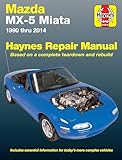
- Step-by-step procedures written from a complete teardown and rebuild, giving you the confidence to tackle repairs at any skill level.
- Over 700+ clear photos and diagrams that simplify complex systems, helping you complete jobs faster and with fewer mistakes.
- Comprehensive troubleshooting and fault-finding guides to quickly diagnose problems and reduce costly downtime.
Fluid leaks: color and location are only clues
Place clean cardboard beneath the vehicle, if safe, to observe where a drip lands. Note whether the fluid is oily, watery, thick, or has a distinctive smell. Color can change with age and contamination, so it cannot establish a diagnosis by itself.
| Possible fluid | Typical clues | Urgency |
|---|---|---|
| Engine oil | Brown to black oily fluid, often near the engine or beneath the oil pan | Check the oil level. A large leak, low level, or oil-pressure warning means stop and arrange help. |
| Coolant | Often colored or clear, watery, and sometimes sweet-smelling; may appear near the radiator, hoses, or water pump | Urgent if the temperature rises, the leak is substantial, or coolant reaches hot components. |
| Transmission fluid | Oily fluid near the transmission; color varies by fluid age and type | Have it inspected promptly, especially with slipping, delayed engagement, or inability to move. |
| Brake fluid | Usually clear to amber and oily, often near a wheel or beneath the master-cylinder area | Do not drive if the level is falling, the pedal is soft, or a leak is suspected. |
| Power-steering fluid | Oily fluid near steering components or the front of the engine on vehicles with hydraulic assist | Urgent if steering becomes difficult or the leak is substantial. |
| Fuel | Strong gasoline or diesel odor; thin fluid that may spread quickly | Do not drive. Avoid flames and ignition sources and seek immediate assistance. |
Never crawl beneath a vehicle supported only by a jack. If you cannot identify a leak safely from above, leave the inspection to a qualified technician.
Brake symptoms that should not wait
Brake wear varies with the vehicle, component design, traffic, terrain, load, and driving style, so there is no reliable universal mileage interval for replacement. Pay attention to symptoms instead:
Windows Errors? Fix Them Before They Spread
Repair common Windows errors and clear accumulated junk for a smoother, more stable PC - no reinstall needed.Free scan · no reinstallCrashes, No Sound, or Screen Glitches?
Random freezes, missing sound and display glitches usually trace back to one bad driver. Find and replace yours safely.Free scan · under a minute- Grinding: friction material may be gone, allowing metal-to-metal contact that can damage rotors and reduce braking.
- Persistent squealing: may indicate worn pads, contamination, hardware, or another brake fault. A brief noise in certain conditions is not the same as persistent noise.
- Vibration or pulsation: can come from brake-component variation, a sticking caliper, wheel problems, or suspension issues.
- Pulling: may involve a sticking brake, uneven braking, tire pressure, alignment, or suspension.
- Soft, spongy, or sinking pedal: suggests a hydraulic issue, air, fluid loss, or a master-cylinder problem. Stop driving.
- Longer stopping distance: is an immediate safety concern, regardless of whether a warning light is on.
Do not test questionable brakes in traffic. Arrange a professional inspection or tow service when braking performance has changed significantly.
Tires: pressure, punctures, and uneven wear
Low tire pressure can result from a puncture, leaking valve stem, bead leak, temperature change, or normal gradual air loss. Use a reliable Digital tire-pressure gauge and check the tires when cold. Set pressure to the number on the driver-door placard or in the owner’s manual—not the maximum pressure molded into the tire sidewall. Check all four tires and the spare when applicable.
Underinflation can increase heat buildup and wear; overinflation can reduce the intended contact patch and alter handling. A TPMS warning identifies a pressure concern but does not reveal every puncture or tire defect. Inspect the tread and sidewalls visually.
- Sidewall cut, bulge, exposed cords, or severe tread damage: do not drive on the tire.
- Repeated pressure loss: have the tire, valve, wheel, and bead inspected.
- Uneven shoulder wear: may indicate underinflation or alignment issues.
- Center wear: may be associated with overinflation.
- Cupping or irregular patches: can indicate worn suspension components, imbalance, alignment trouble, or inadequate rotation.
If replacement is necessary, match the vehicle’s required size, load rating, speed rating, and any run-flat or seasonal requirements. A generic tire size alone is not enough to make a safe purchase decision.
Battery and charging faults
Automotive batteries commonly deteriorate from age, heat, vibration, repeated short trips, long storage, and charging-system faults. AAA describes roughly three to five years as a common battery service-life range, but climate and use can make an individual battery last for less or more time.
Rank #4

- Step-by-step procedures written from a complete teardown and rebuild, giving you the confidence to tackle repairs at any skill level.
- Over 700+ clear photos and diagrams that simplify complex systems, helping you complete jobs faster and with fewer mistakes.
- Comprehensive troubleshooting and fault-finding guides to quickly diagnose problems and reduce costly downtime.
Warning signs include slow cranking, dimming lights, corrosion, repeated jump starts, electrical glitches, and a battery or charging warning. A multimeter or battery tester can support preliminary checks, but a voltage reading alone does not prove that a battery is healthy. Proper diagnosis may require a load test, battery-conductance test, and charging-system test under load.
If a jump starts the car, do not treat that as a successful repair. Have the battery, alternator, belt, terminals, and grounds tested—particularly if the car needs another jump soon afterward.
Stalling and roadside breakdowns
Stalling can result from fuel-delivery problems, ignition faults, sensor failures, charging-system loss, overheating, transmission trouble, or control-module and wiring problems. If the engine dies while moving, power-assisted steering and braking may be reduced. The vehicle can still respond, but steering may feel heavier and the brake pedal may require more force.
Free tools Windows power users keep installed
One-click scans. No signup required.
- Keep both hands on the wheel and stay calm.
- Turn on the hazard lights.
- Move toward a shoulder or another safe location if the vehicle can roll and doing so will not create more danger.
- Brake firmly and steer deliberately; expect reduced assistance.
- Once safely stopped, stay out of traffic if possible and request roadside assistance when the cause is unclear or the vehicle cannot be driven safely.
Do not stand in a live traffic lane to inspect the car. If leaving the vehicle is more dangerous than remaining inside, keep your seat belt on and follow local emergency guidance.
Vehicle-specific checks before paying for repairs
Read the owner’s manual before checking fluids, jump-starting, lifting the vehicle, towing, or resetting a warning light. The manual and maintenance schedule specify details that differ substantially by model and powertrain, including:
- correct tire pressure and tire specifications;
- approved oil, coolant, brake fluid, and transmission-fluid types;
- battery location, battery type, and jump-start terminals;
- warning-light meanings and reset procedures;
- jack points, spare-tire instructions, and towing restrictions;
- special procedures for hybrids and electric vehicles.
For vehicles registered in the United States, check the VIN through the NHTSA recall lookup before authorizing an expensive repair. An open safety recall may have a free manufacturer remedy, and some recalls include instructions to stop driving or park the vehicle outside. A recall search is a useful screening step, not a substitute for diagnosing ordinary wear, damage, or unrelated mechanical faults.
Independent reader supportYour contribution helps us test, update, and keep practical guides available for everyone.A practical car-problem toolkit
Keep equipment that helps you observe a problem or stay visible—not tools that encourage unsafe roadside repairs.
What’s actually slowing this PC down?
Pick the symptom - the matching free tool is one click away.
Best Value
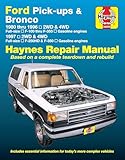
- Step-by-step procedures written from a complete teardown and rebuild, giving you the confidence to tackle repairs at any skill level.
- Over 700+ clear photos and diagrams that simplify complex systems, helping you complete jobs faster and with fewer mistakes.
- Comprehensive troubleshooting and fault-finding guides to quickly diagnose problems and reduce costly downtime.
- OBD2 scanner: useful for retrieving many engine and emissions codes. Confirm vehicle and system compatibility, and treat codes as diagnostic clues.
- Digital tire-pressure gauge: lets you compare cold tire pressure with the door-placard or manual specification.
- Portable jump starter or jumper cables: emergency starting assistance only. Follow polarity, voltage, and safety instructions.
- Roadside emergency car kit: choose contents such as a flashlight, spare batteries, reflective warning equipment, gloves, phone charger, basic tools, and first-aid supplies. Check the actual listing and replace expired or missing items.
- Battery tester or multimeter: helpful for more advanced checks, but use only if you understand electrical safety and the vehicle manufacturer’s procedure.
Emergency equipment cannot make unsafe driving safe. A jump starter will not fix an alternator, a tire gauge will not repair a puncture, and an OBD2 code reader will not confirm a failed part without further testing.
When to call a technician or tow service
Call a qualified technician or towing provider when the fault affects braking, steering, fuel safety, engine temperature, oil pressure, tire integrity, or the vehicle’s ability to remain under control. Towing is also the prudent choice when:
- the engine overheats or loses power;
- a warning light is flashing or red and remains on;
- the car stalls repeatedly;
- the vehicle starts only with a jump and then dies;
- you smell fuel or see brake-fluid leakage;
- the tire has sidewall damage or cannot hold pressure;
- you lack a safe place, equipment, or knowledge to inspect the problem.
When contacting a repair shop, provide the exact symptom, when it began, warning-light behavior, noises or smells, recent repairs, weather or driving conditions, diagnostic codes, and whether the vehicle can still move safely. That information is more useful than simply saying the car “feels wrong.”
Bottom line
Recognizing a common car problem is valuable, but diagnosis and safe triage come first. Stop for red oil or temperature warnings, flashing check-engine lights, serious brake or tire symptoms, fuel leaks, smoke, and loss of control. Use the owner’s manual for vehicle-specific instructions, check recalls when appropriate, and treat scanners, gauges, jump starters, and emergency kits as aids—not substitutes for professional testing or repairs.
Frequently Asked Questions
Can I drive with the check-engine light on?
A steady check-engine light usually means the vehicle needs diagnosis soon, but it is not automatically a tow situation if the car is running normally. A flashing light—especially with shaking, misfiring, unusual noise, or loss of power—is more urgent. Stop driving as soon as safely possible.
What should I do if my car overheats?
Turn off the engine and let the vehicle cool. Do not open the radiator or pressurized coolant-reservoir cap while hot. If coolant is leaking, the temperature rises again, or the vehicle loses power, arrange a tow rather than continuing.
Why does my car click but not start?
Rapid clicking or slow cranking often suggests a weak battery or poor connection. A single click or no response can also involve the starter, relay, ignition switch, ground, or wiring. If a jump starts the car but it soon dies, the alternator or charging system may be at fault.
What tire pressure should I use?
Use the cold tire-pressure number on the driver-door placard or in the owner’s manual, not the maximum pressure printed on the tire sidewall. Check every tire and inspect for punctures or sidewall damage.
Does an OBD2 scanner identify the exact failed part?
No. An OBD2 code is a diagnostic clue, not proof that the named component has failed. Wiring, hoses, leaks, and related faults can trigger the same code, and some vehicle systems require enhanced or manufacturer-specific scan equipment.
The Bottom Line
The safest rule is simple: if a problem affects braking, steering, tire integrity, engine temperature, oil pressure, fuel safety, or vehicle control, stop driving and arrange qualified help. For less urgent symptoms, record what happened, check the manual, preserve diagnostic codes, and schedule a proper diagnosis rather than replacing parts based on a symptom alone.
Quick Recap
Product prices and availability are accurate as of the date/time indicated and are subject to change. Any price and availability information displayed on Amazon at the time of purchase will apply.




