Free tools Windows power users keep installed
One-click scans. No signup required.
The best affordable JDM cars are not necessarily the famous ones. A Honda Beat, Toyota MR2, Mazda Roadster, Toyota Altezza, Nissan Stagea, Suzuki Jimny, or Nissan Pao can deliver far more novelty per dollar than a Supra or GT-R—but only if you budget for shipping, customs, registration, parts, and deferred maintenance.
For this list, JDM means a vehicle originally sold for Japan’s domestic market, including Japan-market versions of globally sold models. A U.S.-market Miata, 350Z, BRZ, CRX, Integra, or SVX is not automatically a JDM car just because it was built by a Japanese company. The distinction matters because a Japan-market car can have different engines, wiring, lighting, trim, emissions equipment, and parts than its U.S. cousin. J.D. Power’s JDM explanation provides useful background.
Prices below are purchase targets before shipping, taxes, registration, and repairs. Think in three stages: purchase price, landed price, and road-ready cost. The car advertised at $7,000 may be a $10,000-plus landed car and a $12,000–$15,000 road-ready car after tires, fluids, belts, brakes, title work, and basic repairs.
One more important date: for a non-U.S.-specification vehicle, the federal 25-year safety exemption is based on the vehicle’s actual manufacture date, not merely its model year. On August 10, 2026, the practical cutoff is a vehicle manufactured on or before August 10, 2001; a late-built 2001-model car may not qualify yet. Verify the date and the state-registration rules before bidding.
Quick wins for a faster PC:
Repair Windows errors before they cause bigger problemsFix Now →Fix the driver behind crashes, sound loss and screen glitchesFind Drivers →#1 Best Overall

- Pullback Action: Experience realistic racing with the pullback action feature.
- Opening Doors: Explore the intricate interior details with the opening door feature.
- 1:38 Scale: Enjoy a detailed 1:38 scale die-cast model (approx. 5 inches long).
- Authentic Design: Modeled after the iconic 1967 Ford Shelby Mustang GT500.
- Display Piece: A must-have collectible for car enthusiasts and model collectors.
What counts as affordable?
We use three shopping bands:
- Budget: under approximately $10,000 before landing and repairs.
- Sweet spot: approximately $10,000–$20,000 before landing and repairs.
- Stretch: approximately $20,000–$30,000, or less only when the car is heavily modified, incomplete, or in need of significant work.
These are editorial buying targets, not guaranteed transaction prices. Supply is thin for some models, and condition, documentation, originality, rust, and modification history matter more than mileage alone. Market benchmarks also need context: Classic.com currently shows figures such as approximately $8,261 for the Honda Beat, $10,068 for the Suzuki Cappuccino, $10,788 for the Toyota Sera, $11,443 for the JDM Nissan Fairlady Z Z32, $12,824 for the Mitsubishi Delica, $13,399 for the second-generation Toyota MR2, $13,904 for a first-generation Subaru WRX, and $15,416 for standard WC34 Nissan Stageas. Those are benchmarks, not guarantees for a particular car; clean, documented examples can cost substantially more.
Before comparing two cars at the same asking price, add auction or dealer fees, inland transport in Japan, export handling, ocean freight, marine insurance, customs duty, port charges, customs-broker fees, inland delivery in the United States, state taxes, title work, insurance, and recommissioning. A cheap project can be a good project—but it is not the same thing as an affordable driver.
35 affordable JDM cars at a glance
The year ranges below are useful shopping guides, not proof of federal eligibility. Always confirm the individual vehicle’s manufacture date.
| # | Model and useful years | Purchase target | Layout and body | Best use | Main risk |
|---|---|---|---|---|---|
| 1 | Honda Beat, 1991–1996 | $7,000–$15,000 | Mid-engine, RWD kei roadster | Weekend novelty | Rust, timing belt, highway limitations |
| 2 | Suzuki Cappuccino, 1991–1998 | $10,000–$20,000 | Front-engine, RWD turbo kei roadster | Small sports car | Turbo, cooling, seals, parts |
| 3 | Autozam AZ-1, 1992–1994 | $15,000–$25,000 | Mid-engine turbo kei coupe | Rare show car | Glass, doors, body panels |
| 4 | Toyota MR-S/MR2 Spyder, 2000–2001 | $10,000–$18,000 | Mid-engine RWD roadster | Driving enjoyment | Import-date cutoff, pre-cat failure |
| 5 | Toyota MR2 W20, 1990–1999 | $12,000–$25,000 | Mid-engine coupe | Performance per dollar | Rust, turbo abuse, crash repairs |
| 6 | Mazda Roadster NA/NB, 1989–2000 | $8,000–$18,000 | Front-engine RWD roadster | First imported sports car | Rust and RHD inconvenience |
| 7 | Honda Integra DC2, non-Type R, 1993–2001 | $10,000–$22,000 | Front-engine FWD hatch/coupe | Street and back roads | Swaps, rust, stolen history |
| 8 | Honda Prelude BB5–BB8, 1992–2001 | $6,000–$15,000 | Front-engine FWD coupe | Comfortable daily/weekend car | Transmission, 4WS, trim |
| 9 | Honda CR-X EF7/EF8, 1987–1991 | $8,000–$18,000 | Front-engine FWD hatchback | Lightweight fun | Structural rust and swaps |
| 10 | Mazda RX-7 FC, 1986–1992 | $8,000–$20,000 | Front-engine RWD rotary coupe | Rotary ownership | Compression, cooling, turbo |
| 11 | Nissan Fairlady Z Z32, 1989–2000 | $8,000–$20,000 | Front-engine RWD sports coupe | Grand touring | Timing belt, electronics, access |
| 12 | Toyota Celica ST202/ST205, 1994–1999 | $8,000–$18,000 | FWD or AWD coupe | Usable sporty car | GT-Four cost, rust, AWD |
| 13 | Nissan Stagea WC34 standard variants, 1996–2001 | $12,000–$22,000 | RWD or AWD wagon | Practical performance | AWD, electronics, modifications |
| 14 | Toyota Altezza AS200/RS200, 1998–2001 | $8,000–$20,000 | RWD sedan or wagon | Sporty daily use | Trim confusion and modifications |
| 15 | Toyota Soarer Z30, 1991–2000 | $12,000–$25,000 | RWD luxury coupe | Grand touring | Electronics, suspension, trim |
| 16 | Subaru Impreza WRX GC8, 1993–2001 | $12,000–$25,000 | Turbo AWD sedan/wagon | Rally-bred performance | Tuning abuse and drivetrain wear |
| 17 | Mitsubishi FTO, 1994–2000 | $8,000–$16,000 | FWD coupe | Unusual V6 coupe | Automatic transmission, parts |
| 18 | Mitsubishi Galant VR-4, 1988–1992 | $12,000–$25,000 | Turbo AWD sedan | Rally-era sleeper | Rare parts and AWD systems |
| 19 | Subaru Legacy GT-B/B4, 1996–2001 | $8,000–$18,000 | Turbo AWD sedan/wagon | Fast family car | Twin-turbo plumbing, belts |
| 20 | Nissan Silvia S14, 1993–1999 | $15,000–$30,000 | RWD coupe | Drift/track project | Crash damage and modifications |
| 21 | Nissan Pulsar GTi-R, 1990–1994 | $15,000–$30,000 | Turbo AWD hatchback | Homologation special | Rarity and expensive repairs |
| 22 | Nissan Laurel C33/C34, 1990–1997 | $12,000–$28,000 | RWD sedan | Comfortable drift platform | Swaps, rust, scarce trim |
| 23 | Toyota Crown S130–S150, 1989–2001 | $8,000–$20,000 | RWD luxury sedan/wagon | Distinctive cruiser | Air suspension and electronics |
| 24 | Toyota Century G50, 1989–1997 | $8,000–$20,000 | RWD V8 luxury sedan | Luxury novelty | Specialist trim and systems |
| 25 | Suzuki Jimny JA11/early JB23, 1990–2001 | $10,000–$20,000 | Compact 4WD SUV | Off-road use | Rust, stability, registration |
| 26 | Mitsubishi Delica L300/L400, 1986–2001 | $8,000–$22,000 | Van, RWD or 4WD | Camping and family use | Diesel cooling and rust |
| 27 | Toyota Hilux Surf, 1989–2001 | $12,000–$25,000 | 4WD SUV | Off-road and utility | Frame rust and emissions |
| 28 | Subaru Sambar, 1991–2001 | $7,000–$15,000 | Rear-engine kei van/truck | Low-speed utility | Road legality and size |
| 29 | Honda Acty, 1990–2001 | $6,000–$14,000 | Mid-engine kei truck/van | Small-property utility | State rules, rust, highway use |
| 30 | Mitsubishi Pajero Mini, 1994–2001 | $6,000–$14,000 | Compact 4WD kei SUV | Light off-roading | Transfer case and rust |
| 31 | Suzuki Alto Works, 1990–1998 | $4,000–$12,000 | Turbo kei hatchback | Cheap enthusiast project | Scarcity, corrosion, parts |
| 32 | Nissan Pao, 1989–1991 | $6,000–$14,000 | FWD retro hatchback | Cheap novelty | Trim, seals, limited speed |
| 33 | Nissan Figaro, 1991–1992 | $12,000–$28,000 | FWD turbo convertible | Style and events | Paint, top, interior, automatic |
| 34 | Toyota Sera, 1990–1996 | $10,000–$22,000 | FWD glass-roof coupe | Attention per dollar | Glass, seals, door hardware |
| 35 | Subaru Vivio RX-R, 1992–1998 | $6,000–$14,000 | Turbo kei hatchback | Rare practical kei car | Rust, modifications, parts |
Budget-friendly JDM picks
1. Honda Beat, 1991–1996
The Beat is a tiny mid-engine, rear-wheel-drive roadster powered by a naturally aspirated 656-cc three-cylinder. Honda’s official specifications list a 760-kg curb weight, two seats, and a five-speed manual. That combination makes it one of the most entertaining cars here at legal road speeds, even though it is not quick by U.S. standards.
Do these 3 things before closing this tab:
1Clear out junk files and repair common Windows errors2Scan for outdated or missing drivers - takes under a minute3Repair Windows errors before they cause bigger problemsTarget: $7,000–$15,000 before landing. Inspect: timing-belt history, rust, soft-top condition, cooling, suspension bushings, and the engine’s ability to maintain temperature in traffic. The Beat is best as a weekend car, not a daily highway commuter. See Honda’s specifications and current market context.
2. Suzuki Cappuccino, 1991–1998
The Cappuccino is the more conventional sports car beside the Beat: front-engine, rear-wheel drive, manual transmission, turbocharged 657-cc three-cylinder power, and a removable roof that can be configured in several ways. It feels like a miniature roadster rather than a novelty van or hatchback.
Target: $10,000–$20,000 before landing. Inspect: turbo health, cooling-system pressure, rust, weather seals, roof hardware, and accident repairs around the tiny cabin. Clean examples can exceed the broad market benchmark. It is a wonderful second car but a compromised choice for tall drivers or long highway trips. Compare market listings and benchmarks.
3. Toyota MR-S/MR2 Spyder, 2000–2001 JDM examples
The Japan-market MR-S is a light, mid-engine roadster with accessible Toyota mechanical parts and excellent balance. It is one of the best answers for a buyer who wants a real sports car without Skyline-level pricing. A U.S.-market MR2 Spyder may be easier to title and support, but it should not be presented as a JDM import simply because it shares the MR2 name.
Crashes, No Sound, or Screen Glitches?
Random freezes, missing sound and display glitches usually trace back to one bad driver. Find and replace yours safely.Free scan · under a minuteWindows Errors? Fix Them Before They Spread
Repair common Windows errors and clear accumulated junk for a smoother, more stable PC - no reinstall needed.Free scan · no reinstallTarget: $10,000–$18,000 before landing. Inspect: pre-catalytic-converter failure, oil consumption, rust, clutch wear, and the optional sequential-manual transmission. The 2000–2001 cars are also date-sensitive: confirm the month and year of manufacture rather than assuming every 2001 example is federally eligible. See MR2 market context.
4. Mazda Roadster NA/NB, 1989–2000 JDM-spec examples
The Mazda Roadster is the safest all-around recommendation here. It is light, communicative, mechanically familiar, inexpensive to operate, and backed by a huge Miata community. Rust in the sills, floor, rear arches, and chassis rails is the central buying concern.
Target: $8,000–$18,000 before landing. Important qualification: a U.S.-market Miata is usually the more rational purchase. Importing a right-hand-drive Roadster adds visibility compromises and parts-research work without necessarily adding performance. Buy the JDM-spec car for its condition, trim, or personal appeal—not because every Roadster is inherently better. Use the Miata market as a comparison.
5. Honda Integra DC2, non-Type R trims, 1993–2001
A Japan-market Integra SiR or other non-Type R trim offers excellent front-wheel-drive balance, a high-revving Honda engine, hatchback practicality, and a large ecosystem of adjacent parts and knowledge. It is a more sensible target than chasing a badge that has become expensive.
Target: $10,000–$22,000 before landing. Inspect: engine swaps, rust, stolen-recovery or auction-repair history, worn synchros, hacked wiring, and severe suspension modifications. Do not price an ordinary SiR, GS, or similar car as an Integra Type R. U.S.-market Integras are also worth considering if legal simplicity matters. Check the broader Integra market.
6. Honda Prelude BB5–BB8, 1992–2001
The Prelude is an overlooked choice for someone who wants a Japanese coupe that is more comfortable and spacious than a CR-X or roadster. Its engines are strong, visibility is good, and the chassis remains enjoyable on a back road.
Target: $6,000–$15,000 before landing. Inspect: automatic transmission behavior, rust, discontinued interior trim, and the four-wheel-steering hardware on equipped cars. A U.S.-market Prelude may offer easier parts and registration, while the JDM version can have different engines, equipment, and steering configuration. Review market context before setting a bid.
7. Honda CR-X EF7/EF8, 1987–1991
The Japan-market CR-X is one of the purest lightweight Honda experiences: small dimensions, excellent visibility, front-wheel-drive traction, and a high-revving SiR option. Clean shells are now much harder to find than running examples.
The Tool Desk
Outbyte PC Repair FREEClear out junk files and repair common Windows errorsFree Scan →Outbyte Driver Updater FREEScan for outdated or missing drivers - takes under a minuteDriver Scan →Target: $8,000–$18,000 before landing. Inspect: structural rust, repaired crash damage, swapped engines, wiring, floor pans, suspension mounting points, and unavailable interior pieces. A U.S.-market CRX can be a better-supported alternative, but it is not the same thing as importing a JDM-spec EF7 or EF8.
8. Toyota Celica ST202/ST205, 1994–1999
The Celica combines attractive styling, useful hatchback packaging, decent fuel economy, and a range of performance levels. The Japan-market GT-Four is the exciting turbocharged, all-wheel-drive version, but an ordinary Celica is often the genuinely affordable choice.
Target: $8,000–$18,000 before landing. Inspect: rust, turbo plumbing, four-wheel-drive components, oil leaks, and parts availability. Do not let a seller’s use of rally imagery imply that every Celica is a GT-Four. Clean GT-Four cars belong toward the stretch end of the budget. Compare Celica variants.
9. Mitsubishi FTO, 1994–2000
The FTO is a distinctive front-wheel-drive coupe with a high-revving V6 option and substantially less badge inflation than an Evo. Its styling and compact dimensions make it an appealing alternative to more familiar Japanese sports cars.
Recommended Free Tools
Target: $8,000–$16,000 before landing. Inspect: automatic transmission condition, GPX-versus-base trim, electronics, rust, body panels, and the availability of model-specific parts. Manual cars are more desirable and less common, so a cheap automatic is not automatically a bargain. See FTO market listings.
10. Nissan Pao, 1989–1991
The Pao is a charming Pike car with retro styling, simple mechanicals, and enough supply to remain attainable. It is a lifestyle car rather than a performance car, but it delivers a level of visual character that newer vehicles cannot replicate.
Target: $6,000–$14,000 before landing. Inspect: canvas roof condition, dashboards, weather seals, corrosion, suspension, and cosmetic trim. The engine is usually less concerning than the body and interior. Classic.com lists a benchmark around $8,638 and an average sale price near $8,591, but a dealer-ready example may cost more. Check current Pao pricing.
11. Subaru Sambar, 1991–2001
The Sambar is a tiny kei van or truck with a distinctive rear-engine heritage and exceptional maneuverability. It makes sense for a small property, event vehicle, farm task, or low-speed utility—not as a normal American pickup.
Target: $7,000–$15,000 before landing. Inspect: chassis rust, four-wheel-drive operation, cooling, title classification, and the rules governing its use in your state. Classic.com’s benchmark is approximately $7,040, while live asking prices can be higher. Its compact size, limited crash protection, and highway performance deserve more attention than its novelty.
Rank #2
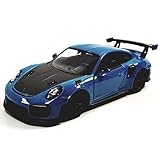
- Doors Open
- Pullback Action
- Die Cast Metal Body
- PULL BACK ACTION WITH FREE ROLLING WHEELS
12. Honda Acty, 1990–2001
The Acty offers extraordinary utility in a tiny package and has a large U.S. enthusiast following. A truck or van can be a satisfying second vehicle for property work, markets, and short local trips.
Target: $6,000–$14,000 before landing. Inspect: frame and suspension corrosion, title classification, brakes, payload-related wear, and four-wheel-drive operation. State road rules are not uniform, and the Acty is not a highway-capable substitute for a full-size pickup. Verify registration and insurance before buying. Use Acty market listings for a condition comparison.
13. Mitsubishi Pajero Mini, 1994–2001
The Pajero Mini is a genuinely useful tiny off-roader rather than merely a city car with rugged styling. Mitsubishi’s own history identifies 659-cc engines, selectable 2WD/4WD/4-Low, and 195 mm of ground clearance.
What’s actually slowing this PC down?
Pick the symptom - the matching free tool is one click away.
Target: $6,000–$14,000 before landing. Inspect: transfer-case engagement, turbo condition where fitted, chassis rust, suspension, and steering. It is narrow, slow, and cramped, but it can be remarkably capable on trails where its size is an advantage. Read Mitsubishi’s historical specifications and compare market examples.
14. Suzuki Alto Works, 1990–1998
The Alto Works is one of the cheapest routes into a turbocharged kei performance car, with some versions offering all-wheel drive. It is quick and entertaining relative to its size, but it is better understood as an enthusiast project than as an easy daily driver.
Target: $4,000–$12,000 before landing. Inspect: corrosion, turbo wear, drivetrain modifications, suspension changes, engine swaps, and parts availability. Do not assume that a sub-$5,000 example is a dependable current bargain; low prices often reflect rarity, incomplete history, or substantial work. Check Alto market context.
15. Subaru Vivio RX-R, 1992–1998
The Vivio RX-R is a turbocharged kei hatchback with more usable packaging than the Beat or Cappuccino. It is a strong choice for a buyer who wants an unusual small car that can carry more than two people.
Target: $6,000–$14,000 before landing. Inspect: rust, engine modifications, turbo condition, four-wheel-drive hardware where fitted, and parts supply. The Vivio is rare enough that a specialist or parts network may matter more than the initial purchase price.
Performance cars worth considering
16. Autozam AZ-1, 1992–1994
The AZ-1 is a mid-engine, turbocharged 660-cc kei coupe with gullwing doors and plastic body panels. Mazda’s heritage material confirms the mid-engine layout, and its styling makes it one of the most memorable cars in this entire group.
Target: $15,000–$25,000 before landing. Inspect: the gullwing-door structure, hinges, seals, glass, body panels, chassis, and evidence of accident repair. Mechanical parts may be manageable, but body and trim parts can be difficult and expensive. Buy it as a rare experience, not as the cheapest way to obtain speed. See Mazda’s AZ-1 heritage material.
17. Toyota MR2 W20, 1990–1999
The second-generation MR2 remains one of the most accessible mid-engine performance cars. Naturally aspirated versions can be relatively straightforward, while turbocharged cars offer serious pace when properly maintained.
Target: $12,000–$25,000 before landing. Inspect: rust, crash history, suspension condition, cooling, oil leaks, turbo plumbing, clutch and synchro wear, and modifications. A straight naturally aspirated manual car can be a better ownership proposition than a cheaper turbo car with an unknown engine rebuild. Compare W20 market benchmarks.
18. Mazda RX-7 FC, 1986–1992
The FC is the attainable classic RX-7. It offers rear-wheel drive, sharp styling, and rotary character at a lower entry price than an FD, but the engine must be evaluated on rotary-specific terms.
Target: $8,000–$20,000 before landing. Inspect: rotary compression on a hot and cold engine, hot-start behavior, cooling, oil metering, vacuum lines, turbocharger condition, fluid leaks, and rust. Classic.com lists a base FC benchmark near $11,824, but turbocharged and original examples can be materially more expensive. A $5,000 non-runner is a project, not an affordable sports car.
19. Nissan Fairlady Z Z32, 1989–2000
The Japan-market Fairlady Z Z32 delivers the shape and performance associated with a 300ZX while remaining less expensive than many Skyline and Supra variants. Naturally aspirated cars can be more manageable than twin-turbo examples.
Target: $8,000–$20,000 before landing. Inspect: timing-belt and water-pump history, cooling, electronics, HICAS rear steering, turbo plumbing, automatic transmission behavior, and oil leaks. The engine bay is famously difficult to access, so labor can dominate the repair bill. Use Fairlady Z Z32 market data as a reality check.
20. Subaru Impreza WRX GC8, 1993–2001
The GC8 WRX brings turbocharged flat-four power and all-wheel drive in a compact package with a large enthusiast community. It is genuine rally-era performance, but the cheapest cars often have the hardest lives.
Target: $12,000–$25,000 before landing. Inspect: ringland and piston damage, turbo wear, oil leaks, cooling, rust, drivetrain noise, tuning history, and mismatched tires. WRX, WRX STI, 22B, P1, and ordinary Impreza are not interchangeable categories. Classic.com places first-generation WRX cars near a $13,904 benchmark, while STI variants are considerably more expensive. Compare WRX market results.
21. Mitsubishi Galant VR-4, 1988–1992
The Galant VR-4 is a fast, practical, turbocharged AWD sedan with genuine rally credentials. It is an appealing alternative to an Evo for someone who values rarity and four-door usability.
The Tool Desk
Outbyte Driver Updater FREEScan for outdated or missing drivers - takes under a minuteDriver Scan →Outbyte PC Repair FREEClear out junk files and repair common Windows errorsFree Scan →Target: $12,000–$25,000 before landing. Inspect: transfer cases, differentials, turbo systems, wiring, rust, engine swaps, and evidence of competition use. Parts support is weaker than for an Evo, and clean examples are scarce. Treat it as a specialist purchase even when the price looks ordinary. Review Galant market context.
22. Nissan Silvia S14, 1993–1999
The S14 offers rear-wheel-drive balance, SR20 power, and extensive tuning support. It is the natural recommendation for a drift-oriented buyer, but it is no longer a reliably cheap drift car.
Target: $15,000–$30,000 before landing. Inspect: chassis straightness, rust, welded differentials, crash repairs, engine swaps, turbo upgrades, hacked wiring, and undocumented fabrication. A stock, straight, non-turbo example may be a better buy than a famous turbo trim that has spent years being abused. Use Silvia market results to set expectations.
23. Nissan Pulsar GTi-R, 1990–1994
The Pulsar GTi-R is a compact homologation special with turbocharged power and all-wheel drive. It is genuinely unusual even among JDM imports and offers a very different experience from a larger performance coupe.
Do these 3 things before closing this tab:
1Clear out junk files and repair common Windows errors2Scan for outdated or missing drivers - takes under a minute3Repair Windows errors before they cause bigger problemsTarget: $15,000–$30,000 before landing. Inspect: turbo and cooling systems, drivetrain noise, rust, cramped engine-bay access, wiring, and originality. It is a stretch recommendation, not a normal sub-$20,000 car; the rare clean example can cost far more than an optimistic auction result suggests. Check Pulsar market context.
24. Nissan Laurel C33/C34, 1990–1997
The Laurel combines a comfortable rear-wheel-drive sedan body with Nissan inline-six and turbo options. It can provide Skyline-family character at a lower price, especially in non-turbo or automatic form.
Rank #3
- These highly detailed kits come with everything you need to build them including the screwdriver.
- Opening parts, Rolling Wheels
- Easy assembly, Pre-painted metal body
- When finished the vehicles are fully functional
- Rolling die-cast replica
Target: $12,000–$28,000 before landing. Inspect: drift modifications, rust, automatic-to-manual conversions, engine swaps, differential noise, and scarce trim. Turbo manuals should be treated as stretch cars. Compare Laurel variants and prices.
25. Toyota Altezza AS200/RS200, 1998–2001
The Altezza is a rear-wheel-drive sedan or wagon with strong chassis dynamics and a distinct Japan-market identity. It is the affordable JDM alternative to a Lexus IS, though the specifications and trim are not identical.
Target: $8,000–$20,000 before landing. Inspect: whether the car is an AS200 or more desirable 3S-GE RS200, transmission type, rust, suspension modifications, engine swaps, and wiring. It is a good choice for someone who wants a usable sedan with enthusiast appeal, provided the right-hand-drive compromises are acceptable. Review current Altezza market context.
Practical and off-road JDM choices
26. Nissan Stagea WC34 standard variants, 1996–2001
The Stagea is one of the strongest practical recommendations: a large wagon with rear- or all-wheel drive, Skyline-related engines, and substantially more cargo space than a coupe. Standard WC34 cars can still be attainable.
Target: $12,000–$22,000 before landing. Inspect: automatic transmissions, AWD systems, electronics, rust, engine modifications, and suspension. The 260RS Autech is not an affordable ordinary Stagea; it has its own collector market. Classic.com places standard WC34 examples near a $15,416 benchmark. See standard Stagea market data.
27. Subaru Legacy GT-B/B4, 1996–2001
The Legacy GT-B or B4 is a more comfortable alternative to a WRX, often with wagon practicality, turbo power, and all-wheel drive. It is a good fit for long trips and winter use when properly maintained.
Target: $8,000–$18,000 before landing. Inspect: twin-turbo plumbing, timing-belt history, cooling, automatic transmission, rust, electronic controls, and imported suspension parts. Its comfort makes it practical; its age and complexity do not make it cheap to repair. Compare Legacy market examples.
28. Mitsubishi Delica L300/L400, 1986–2001
The Delica combines Japanese-market character, family practicality, four-wheel-drive capability, and camping potential. It is one of the most useful vehicles on this list, but not one of the simplest.
Target: $8,000–$22,000 before landing. Inspect: diesel emissions compliance, overheating, timing-belt history, rust, automatic transmission, steering-box wear, cooling, and van-specific body parts. Classic.com shows a broad Delica market with an average around $12,824, but condition varies enormously. A bargain diesel with cooling problems can consume the budget quickly. Use Delica results as a condition comparison.
29. Toyota Hilux Surf, 1989–2001
The Hilux Surf is a capable SUV with Toyota durability, four-wheel-drive hardware, and more JDM personality than an ordinary U.S.-market 4Runner. It works well for trails, camping, and utility.
Target: $12,000–$25,000 before landing. Inspect: frame rust, diesel or gasoline-specific service needs, timing belts, cooling, suspension lifts, drivetrain noise, and emissions documentation. Its relationship to the 4Runner can help with some parts research, but badges do not guarantee component interchangeability.
30. Suzuki Jimny JA11 and early JB23, 1990–2001
The Jimny is a small but serious off-roader with four-wheel drive and excellent maneuverability. Its narrow body and low weight are assets on tight trails and liabilities in fast U.S. traffic.
Target: $10,000–$20,000 before landing. Inspect: chassis rust, modified suspension, steering, transfer-case operation, mismatched tires, and stability on the road. Confirm the actual manufacture date on early JB23 examples and check your state’s registration rules before purchase. Compare Jimny market examples.
31. Toyota Crown S130/S140/S150, 1989–2001
A Japan-market Crown gives buyers a distinctive rear-wheel-drive luxury sedan or wagon with a broad range of engines and body styles. It is a good choice for a relaxed cruiser and an unusual conversation piece.
What’s actually slowing this PC down?
Pick the symptom - the matching free tool is one click away.
Target: $8,000–$20,000 before landing. Inspect: air suspension, climate control, electronics, rust, automatic transmission, wood trim, velour, and other interior parts. A low purchase price reflects age and complexity rather than cheap ownership. Review Crown market context.
Quirky and luxury choices
32. Toyota Sera, 1990–1996
The Sera combines butterfly doors, a glass canopy, Toyota mechanicals, and a compact front-wheel-drive layout. It offers some of the highest attention per dollar of any car here.
Target: $10,000–$22,000 before landing. Inspect: door hardware, glass, seals, water leaks, interior trim, accident damage, and roof structure. Classic.com lists a benchmark around $10,788, but clean dealer examples can cost roughly twice that. Its mechanical Toyota connection is helpful; its unique body and glass are not easy to replace. Check current Sera results.
33. Nissan Figaro, 1991–1992
The Figaro is a turbocharged Pike car with a convertible roof, distinctive colors, and strong visual appeal. It is a style-first car: usually automatic, not especially quick, and best suited to local cruising and events.
PC Slower Than It Used to Be?
A free scan shows the junk files, broken settings and background clutter dragging Windows down - then fixes them in one click.Free scan · Windows 10 & 11Crashes, No Sound, or Screen Glitches?
Random freezes, missing sound and display glitches usually trace back to one bad driver. Find and replace yours safely.Free scan · under a minuteTarget: $12,000–$28,000 before landing. Inspect: paint and corrosion, convertible-top mechanism, interior materials, weather seals, air conditioning, automatic transmission, and hard-to-find trim. Market benchmarks are around the high teens, while dealer asking prices can approach $30,000. Compare Figaro sale and asking-price context.
34. Toyota Soarer Z30, 1991–2000
The Soarer is a stylish luxury grand tourer with V8 or turbocharged six-cylinder options. It is a cheaper route into 1990s Toyota luxury technology than some famous Japanese coupes, especially in less desirable configurations.
Target: $12,000–$25,000 before landing. Inspect: climate control, electrical accessories, suspension or air suspension where fitted, interior trim, engine-bay heat, leaks, and automatic transmission operation. A U.S.-market Lexus SC may be easier to support, but the Japan-market Soarer has its own trim and specification appeal. Review Soarer market context.
35. Toyota Century G50, 1989–1997
The G50 Century is an incomparable chauffeur-oriented Japanese luxury sedan with a quiet cabin, V8 power, and exceptional market character. It is inexpensive to buy relative to its original status, not inexpensive to maintain like an ordinary old Toyota.
Target: $8,000–$20,000 before landing. Inspect: air suspension, electrical systems, climate control, rear-seat equipment, woodwork, velour, trim, and specialist parts availability. It makes sense for a dedicated owner who values the experience; it is a poor first import for someone seeking cheap transportation. Check Century market examples.
Independent reader supportYour contribution helps us test, update, and keep practical guides available for everyone.Best picks by budget and use case
Under $10,000 before landing
Look first at the Honda Beat, Honda Prelude, Mitsubishi FTO, Nissan Pao, Subaru Sambar, Honda Acty, Mitsubishi Pajero Mini, Suzuki Alto Works, Subaru Vivio, and the least expensive Toyota Crown or Mazda Roadster examples. This is the project-heavy end of the market. Reserve money for tires, belts, brakes, fluids, battery, seals, and title work before treating the purchase as a success.
$10,000–$15,000 before landing
This is the most useful shopping zone for a first-time buyer. You may find a Toyota MR-S, Mazda Roadster, non-Type R Integra, Celica, Toyota Altezza, Nissan Pao, Sera, or a usable but imperfect Delica or Stagea. Favor an unmodified car with complete documentation over a more desirable trim with an uncertain past.
Rank #4

- Highly detailed 1:24 scale diecast model kit of 1929 Ford Model A
- Comes with everything needed for assembly including screwdriver
- Features opening parts, rolling wheels and pre-painted metal body
- Easy to assemble, creates fully functional rolling replica model car
- Fun and educational STEM activity for kids to build realistic miniature vehicle
$15,000–$25,000 before landing
This range opens up cleaner MR2 W20s, Fairlady Z Z32s, RX-7 FCs, WRX GC8s, Soarers, Jimnys, Hilux Surfs, and standard Stageas. It also covers the lower end of the AZ-1, Galant VR-4, Silvia, Pulsar GTi-R, Laurel, Figaro, and Century markets. At this level, condition and originality should matter more than a seller’s claim about rarity.
Cars that should not be casually called affordable
Clean Nissan Silvia turbo cars, Pulsar GTi-Rs, Autozam AZ-1s, premium Stageas, unmodified WRX STIs, turbo Soarers, and excellent Centurys can easily become stretch purchases. A cheap RX-7, WRX, Delica, Crown, or S-chassis may be a non-runner, a shell, a flood-damaged car, or a heavily modified vehicle. The price is low because the risk is high.
Best choices by buyer type
- Best first imported sports car: JDM Mazda Roadster, Toyota MR2 W20, non-Type R Honda Integra, Toyota Celica, or Honda Prelude.
- Best overall driving recommendation: Mazda Roadster, although a U.S.-market Miata is generally easier and cheaper to own.
- Best mid-engine choice: Toyota MR2 W20 for performance, Toyota MR-S for a newer roadster feel, or Honda Beat for lightweight novelty.
- Best practical import: standard Nissan Stagea for wagon utility; Subaru Legacy GT-B for comfort; Mitsubishi Delica for van and camping use.
- Best off-roader: Suzuki Jimny for trail maneuverability, Mitsubishi Pajero Mini for low-cost compact 4WD, or Hilux Surf for a more conventional SUV experience.
- Best quirky car: Toyota Sera for spectacle, Nissan Pao for affordability, Nissan Figaro for style, or AZ-1 for rarity.
- Best performance per dollar: Toyota MR2 W20, Fairlady Z Z32, RX-7 FC, Altezza, or GC8 WRX—provided the inspection supports the price.
- Best avoided as a first import: an unknown-history RX-7, Pulsar GTi-R, Century, heavily modified Silvia, or overheated Delica.
JDM, Japanese-built, right-hand drive, and imported are not the same
These terms are often mixed together:
- JDM: originally configured and sold for Japan’s domestic market.
- Japanese-built: assembled in Japan, but potentially built for the United States, Europe, or another market.
- Right-hand drive: steering wheel on the right. Many JDM cars are RHD, but RHD alone does not prove a car was sold in Japan.
- Imported: brought into the United States from another country. A U.S.-spec car can be imported from Canada, while a JDM car is generally imported from Japan or another market.
Chassis codes, engine codes, trim names, transmission options, and original-market documentation are more reliable than badges. A U.S.-market 350Z, 370Z, Miata, CRX, Del Sol, Integra, Prelude, SVX, BRZ, MR2, or Celica can be an excellent Japanese car without being a JDM import. Likewise, a Lexus IS is related to the Toyota Altezza and a Lexus SC to the Toyota Soarer, but the cars are not automatically identical.
Federal import rules: the part buyers cannot afford to get wrong
1. Confirm the actual manufacture date
The federal 25-year safety exemption is calculated from the vehicle’s manufacture date. Do not rely solely on the model year, Japanese registration date, or an auction listing. Check the manufacturer label, export paperwork, registration record, manufacturer letter, or other acceptable evidence. The NHTSA import FAQ explains the documentation and age rule.
For a vehicle evaluated on August 10, 2026, the practical cutoff is manufacture on or before August 10, 2001. After that, the qualifying date moves forward one day at a time. A car described as a 2001 model may have been built later in 2001 and therefore may not yet qualify.
Free tools Windows power users keep installed
One-click scans. No signup required.
2. Understand what the 25-year exemption does—and does not do
The exemption primarily addresses federal safety and Federal Motor Vehicle Safety Standards requirements. It does not guarantee a state title, registration, insurance, road use, emissions compliance, or acceptance of an unusual vehicle classification. NHTSA’s importation guidelines are the appropriate federal starting point.
3. Check EPA requirements separately
EPA rules are separate from DOT/NHTSA rules. EPA describes an over-21-year pathway for certain nonconforming vehicles, but the engine generally must be identical in model and configuration to the engine originally installed. A heavily swapped, turbo-converted, or otherwise altered car can create an emissions problem even when it is old enough for the federal safety exemption. Review the EPA import guidance before purchase.
4. File the correct import declarations
The standard process involves the DOT HS-7 Declaration and EPA Form 3520-1, using the applicable exemption codes. An experienced customs broker or importer can reduce paperwork mistakes, but the buyer remains responsible for verifying the basis on which the vehicle entered the country. The EPA Form 3520-1 and NHTSA’s FAQ are the relevant references.
5. Budget for customs duty and preserve the entry documents
CBP lists a general duty rate of 2.5% for automobiles and 25% for trucks. Classification matters: do not assume that a kei truck or van receives the automobile rate. Confirm the classification with your broker or CBP. CBP’s vehicle-import guidance explains the basic process.
Quick wins for a faster PC:
Clear out junk files and repair common Windows errorsFree Scan →Scan for outdated or missing drivers - takes under a minuteDriver Scan →Keep proof of formal entry permanently. State registration may require the CBP Form 7501 Entry Summary along with evidence of federal compliance or exemption. A car that arrived without proper entry documentation can be difficult or impossible to title later. See CBP’s registration-document guidance.
6. Ask your state DMV before you buy
State rules can affect kei vehicles, low-speed vehicles, imported diesels, emissions testing, reconstructed titles, branded titles, and vehicles that do not fit ordinary passenger-car definitions. Rules change, so do not rely on a fixed claim about how many states permit kei trucks. Check the destination state’s DMV directly and, for an unusual vehicle, obtain written confirmation of the documents and classification it will require. California’s vehicle definitions illustrate why classification matters, but California’s rules do not represent every state.
What ownership is really like
Right-hand-drive compromises
RHD is manageable, but it changes everyday routines. Visibility when overtaking is worse, left turns require more caution, drive-through windows and toll booths can be awkward, and parking garages, mailboxes, and pickup lanes may be designed around a left-hand-drive driver. A passenger can help, but it is still a meaningful trade-off for a daily driver.
Parts support is model-specific
Some wear items cross over from U.S.-market relatives; others only appear similar. A Toyota engine family may be familiar while its wiring, sensors, intake, transmission, brakes, suspension, glass, headlights, and interior trim are different. Verify that a part is identical or confirmed compatible rather than assuming that the badge makes it interchangeable.
Recommended Free Tools
Before purchase, price tires, windshield and other glass, headlights, belts, hoses, brake parts, clutch components, weather seals, and body trim. Japanese-language controls, kilometer-per-hour speedometers, older refrigerants, and unusual air-conditioning components can also affect usability. Call an insurer before sending money, especially for a RHD turbo, rotary, kei vehicle, or modified car.
Pre-purchase inspection checklist
Whether buying from an auction, importer, dealer, or private seller, use this checklist before bidding:
- Verify identity: match the chassis number to the auction sheet, export certificate, invoice, and vehicle itself. Investigate any altered or inconsistent VIN, chassis number, or paperwork.
- Verify age: document the month and year of manufacture, not just the model year or first-registration date.
- Verify history: obtain the auction sheet, translate it independently when possible, and look for flood, fire, major repair, odometer, and export-history clues.
- Inspect the shell: check frame rails, strut towers, floor pans, rocker panels, rear quarters, subframes, suspension mounts, and hidden seams for rust or collision repair.
- Demand a cold start: ask for cold-start, hot-start, idle, smoke, oil-pressure, compression, and underbody video where possible. A warm engine can hide starting and smoke problems.
- Check scheduled service: confirm timing-belt and water-pump replacement on applicable engines, along with cooling-system, fluid, belt, and brake maintenance.
- Evaluate special engines: rotary RX-7s need a proper compression test and hot-start assessment; Subaru turbo cars need checks for ringland, turbo, cooling, and oil issues; Nissan turbo cars need scrutiny for modified boost and engine work; Delica diesels need strong evidence against overheating.
- Evaluate drivetrains: test clutches, synchros, automatics, differentials, transfer cases, HICAS, and AWD systems. On AWD cars, all four tires must match in size and type.
- Check modifications: drifting, rallying, engine swaps, forged documents, welded differentials, altered wiring, lifted suspension, and non-original turbo systems can overwhelm the apparent bargain.
- Inspect unique body parts: Sera glass and door hardware, AZ-1 doors and plastic panels, Figaro tops and trim, and Century or Crown interior and suspension equipment may be harder to replace than the engine.
- Check lighting and registration: headlights may need adjustment or replacement for U.S. traffic, and speedometers may read only in kilometers per hour. Confirm state title requirements before shipment.
- Get a road-ready estimate: add tires, fluids, belts, brakes, battery, seals, lighting, repairs, title work, insurance, and a contingency reserve to the purchase and landed price.
Cars that belong in a U.S.-market comparison, not the strict JDM count
A U.S.-market Nissan 350Z or 370Z, Mazda Miata, Honda CRX, Del Sol, Integra, Prelude, Subaru SVX or BRZ, or Toyota Celica or MR2 can be an excellent affordable Japanese enthusiast car. It may be easier to register, insure, service, and find parts for than a JDM import. It simply should be labeled as a U.S.-market car rather than counted as a Japan-domestic vehicle.
This distinction is especially useful when comparing a JDM Roadster with a U.S. Miata, a Toyota Altezza with a Lexus IS, or a Soarer with a Lexus SC. The imported version may offer different engines, transmissions, styling, equipment, or steering position, but it is not automatically the better value.
How to choose your shortlist
- Choose the use case first: weekend sports car, daily driver, family wagon, trail vehicle, kei utility, luxury cruiser, or novelty car.
- Set a road-ready ceiling: do not spend the entire budget on the auction or dealer price.
- Choose the simplest acceptable drivetrain: naturally aspirated and manual versions are often easier to diagnose than turbocharged automatics with complex AWD or air suspension, though condition always wins.
- Prefer documentation over mileage: a verified higher-mileage car can be safer than a low-mileage car with no history.
- Locate a parts and repair plan: identify a specialist, online parts source, or compatible U.S. supplier before purchase.
- Confirm federal and state eligibility: verify manufacture date, EPA pathway, customs entry, title documents, emissions rules, insurance, and registration in that order.
- Walk away from paperwork or rust problems: mechanical faults can be repaired; an incorrect age, questionable chassis identity, or rotten structure can make the car unusable.
These cars are not investments by default. Values can fall, and maintenance can exceed appreciation. Buy the one you want to drive and own, not the one a seller claims will become collectible.
Frequently Asked Questions
Is a right-hand-drive car automatically a JDM car or automatically legal in the United States?
No. Right-hand drive describes the steering position, not the original sales market. A RHD car still needs proper federal import entry, applicable NHTSA and EPA compliance or exemptions, state title and registration approval, and insurance. JDM cars are vehicles originally sold for Japan’s domestic market.
Does every 2001 JDM car qualify under the 25-year rule on August 10, 2026?
No. The rule is based on the actual manufacture date. A vehicle manufactured on or before August 10, 2001 reaches 25 years on that date. A car marketed as a 2001 model but manufactured later in the year may not qualify until its specific 25-year date. Confirm the date with documentation.
How much does it cost to import an affordable JDM car?
There is no universal landed-cost figure. Add auction or dealer fees, inland transport, export handling, ocean freight, insurance, customs duty, port charges, customs-broker fees, U.S. inland delivery, taxes, title work, insurance, and deferred maintenance. A $7,000 kei vehicle can plausibly become a $12,000–$15,000 road-ready vehicle, depending on its condition and location.
Are kei trucks legal to drive everywhere in the United States?
No single nationwide answer covers registration and road use. Federal import eligibility does not guarantee state road legality. Kei trucks may face rules involving vehicle classification, speed, emissions, equipment, title brands, and permitted roads. Check your state DMV before buying and get written confirmation for an unusual vehicle.
The Bottom Line
Our safest overall recommendation is a well-documented JDM Mazda Roadster, although a U.S.-market Miata is usually the more rational buy. Choose the Toyota MR2 W20 for affordable mid-engine performance, the Toyota Altezza for a distinctive sedan, the standard Nissan Stagea for wagon practicality, the Suzuki Jimny for compact off-roading, and the Nissan Pao or Toyota Sera for low-cost character. Treat the RX-7 FC, Pulsar GTi-R, Century, heavily modified Silvia, and unknown-history Delica as specialist projects rather than cheap transportation.
The winning formula is simple: verify the manufacture date, confirm state eligibility, preserve every customs document, inspect rust and modifications, and calculate the road-ready cost before bidding. The cheapest JDM car is rarely the cheapest one to own.
Quick Recap
Product prices and availability are accurate as of the date/time indicated and are subject to change. Any price and availability information displayed on Amazon at the time of purchase will apply.
Do these 3 things before closing this tab:
1Repair Windows errors before they cause bigger problems2Scan for outdated or missing drivers - takes under a minute3Clear out junk files and repair common Windows errors