The Tool Desk
Outbyte Driver Updater FREEScan for outdated or missing drivers - takes under a minuteDriver Scan →Outbyte PC Repair FREERepair Windows errors before they cause bigger problemsFix Now →Thirty years ago, a car that could crack 60 mph in under five seconds lived in rarefied air. You were talking Ferraris, 911 Turbos, maybe a ZR‑1 Corvette if you were lucky and well-connected. Today, that same benchmark is achievable with a realistic income, a rational loan, and zero interest in valet parking at a five-star hotel.
The Performance Arms Race Changed the Rules
The biggest shift came when mainstream manufacturers realized acceleration sells cars, not just bragging rights. Turbocharging, direct injection, and high-output engine management systems allowed smaller-displacement engines to make serious power without exotic materials. A modern 2.0‑liter turbo four can now produce the kind of thrust that once required a naturally aspirated V8.
This technology didn’t stay locked behind luxury badges for long. Once development costs were amortized, the hardware filtered down into mass-market sedans, hot hatches, and muscle cars with window stickers that no longer required a trust fund.
Traction and Transmissions Did the Heavy Lifting
Raw horsepower used to be meaningless without the ability to put it down. The rise of affordable all-wheel drive systems, limited-slip differentials, and ultra-quick automatic and dual-clutch transmissions completely changed the 0–60 equation. Launch control, once reserved for supercars, is now baked into cars you can daily-drive in traffic.
#1 Best Overall

- CEL Doctor: The ANCEL AD310 is one of the best-selling OBD II scanners on the market and is recommended by Scotty Kilmer, a YouTuber and auto mechanic. It can easily determine the cause of the check engine light coming on. After repairing the vehicle's problems, it can quickly read and clear diagnostic trouble codes of emission system, read live data & hard memory data, view freeze frame, I/M monitor readiness and collect vehicle information
- Sturdy and Compact: Equipped with a 2.5 foot cable made of very thick, flexible insulation. It is important to have a sturdy scanner as it can easily fall to the ground when working in a car. The AD310 OBD2 scanner is a well-constructed mechanic tool with a sleek design. It weighs 12 ounces and measures 8.9 x 6.9 x 1.4 inches. Thanks to its compact design and light weight, transporting the device is not a problem. The buttons are clearly labelled and the screen is large and displays results clearly
- Accurate Fast and Easy to Use: The AD310 scanner can help you or your mechanic understand if your car is in good condition, provides exceptionally accurate and fast results, reads and clears engine trouble emission codes in seconds after you fixed the problem. This device will let you know immediately and fix the problem right away without any car knowledge. No need for batteries or a charger, get power directly from the OBDII Data Link Connector in your vehicle
- OBDII Protocols and Car Compatibility: Many cheap scan tools do not really support all OBD2 protocols. AD310 scanner as it can support all OBDII protocols such as KWP2000, J1850 VPW, ISO9141, J1850 PWM and CAN. This device also has extensive vehicle compatibility with 1996 US-based, 2000 EU-based and Asian cars, light trucks, SUVs, as well as newer OBD2 and CAN vehicles both domestic and foreign. Pls confirm with our customer service whether it is compatible with your vehicle before purchasing
- Home Necessity and Worthy to Own: This is an excellent code reader to travel or home with as it weighs less and it is compact in design. You can easily slide it in your backpack as you head to the garage, or put it on the dashboard, this will be a great fit for you. The AD310 is not only portable, but also accurate and fast in performance. Moreover, it covers various car brands and is suitable for people who just need a code reader to check their car
An eight-speed automatic with aggressive torque multiplication will often outrun a higher-powered manual car in the real world. That’s why modern performance cars feel violently quick from a stop, even if the spec sheet horsepower doesn’t look outrageous.
The Used Market Is a Performance Goldmine
Depreciation is the great equalizer, and it hits fast cars especially hard. Vehicles that were $45,000 to $60,000 new can be found for half that after a few years, often with powertrains barely broken in. That means sub‑5‑second performance is no longer just attainable new, but shockingly accessible used.
Of course, there are trade-offs. Maintenance costs, tires, brakes, and insurance scale with performance, and not all platforms age equally well. But for buyers who do their homework, the speed-per-dollar ratio has never been better.
Electric Torque and the New Definition of “Cheap Fast”
EVs quietly detonated the old hierarchy of acceleration. Instant torque, single-speed drivetrains, and low centers of gravity make even modestly priced electric cars brutally quick off the line. You don’t need high horsepower figures when peak torque hits at zero rpm.
While battery longevity and charging infrastructure are real considerations, the fact remains: sub‑5‑second 0–60 times are now available without premium fuel, forced induction, or mechanical complexity. That alone would’ve sounded like science fiction a decade ago.
Speed Is Now a Value Calculation, Not a Status Symbol
Today, quick cars aren’t defined by exclusivity, but by engineering efficiency. Buyers can choose between turbocharged gas engines, AWD launches, rear-drive muscle, or instant-response EVs depending on budget and lifestyle. The question is no longer “can I afford something this fast?” but “which flavor of fast makes the most sense?”
That shift is exactly why this list exists. The cars that follow prove that serious straight-line performance has been democratized, and that the thrill of a sub‑5‑second sprint is no longer reserved for the wealthy, just the well-informed.
What “Cheap” Really Means Here: Price Caps, New vs. Used, and Real‑World Performance Criteria
If sub‑5‑second acceleration is now democratized, the next question is obvious: how cheap is “cheap,” actually? In this context, we’re not talking about disposable econoboxes or sketchy high‑mile projects. We’re talking about attainable performance cars that deliver repeatable, real‑world speed without requiring exotic‑car money or a tolerance for constant wrenching.
Recommended Free Tools
The Price Ceiling: Where Fast Becomes Realistically Affordable
For this list, “cheap” means a hard ceiling around $40,000, with many entries landing well below that. Some qualify new, others shine brightest on the used market, but all of them can be bought without supercar financing gymnastics. This price range is where depreciation, manufacturer incentives, and engineering trickle‑down collide in your favor.
That cap matters because it keeps the focus on cars real people can actually shop for. These aren’t theoretical bargains or stripped, one‑off trims. They’re models you can find nationwide, finance conventionally, insure without a meltdown, and drive daily if you choose.
New vs. Used: Two Paths to the Same Acceleration
Buying new gives you warranties, known history, and the latest chassis tuning and software calibrations. Modern traction control, launch algorithms, and turbo management mean today’s new cars are brutally consistent, even in less‑than‑perfect conditions. You may pay more up front, but the experience is plug‑and‑play fast.
Used, on the other hand, is where acceleration becomes a cheat code. Lightly used performance cars often lose 30 to 40 percent of their value in just a few years, while their 0–60 capability remains unchanged. The trade‑off is responsibility: inspections matter, service records matter, and some platforms demand stricter maintenance discipline than others.
Free tools Windows power users keep installed
One-click scans. No signup required.
What Counts as a Legit Sub‑5‑Second Car
This list is built on verified, instrumented 0–60 mph times, not optimistic brochure claims or downhill hero runs. Real‑world testing from reputable sources, repeated launches, and production‑spec cars are the baseline. If a car only hits the number under perfect conditions or with abuse-level launches, it doesn’t qualify.
Drivetrain layout plays a massive role here. AWD cars dominate consistency, especially at this price point, while RWD cars rely more on tire compound and surface prep. EVs change the math entirely, delivering their quickest runs with almost no variance, regardless of driver skill.
Why Real‑World Acceleration Matters More Than Horsepower
Peak horsepower numbers don’t tell you how fast a car feels or how quickly it moves from a stoplight. Torque curve shape, gearing, launch control logic, and curb weight matter far more in a 0–60 sprint. A 350‑hp car with aggressive gearing and traction can embarrass a heavier 450‑hp rival every time.
That’s why many of the cars on this list don’t look outrageous on paper. Their magic comes from how effectively they convert available power into forward motion. This is acceleration engineered, not brute‑forced.
Ownership Reality: Speed per Dollar, Not Speed at Any Cost
Cheap fast is only impressive if it stays cheap enough to live with. Tires, brakes, fuel consumption, and insurance all rise with performance, and ignoring that math is how “affordable” cars become financial headaches. The best value performers balance acceleration with durability and predictable running costs.
Every car that follows earns its place by delivering repeatable sub‑5‑second performance without requiring exotic maintenance habits. Some are sharper tools than others, some are more comfortable daily drivers, but all of them prove the same point. Fast no longer means fragile, and cheap no longer means slow.
The Ranked List: 19 Affordable Cars That Hit 0–60 mph in Under 5 Seconds (Fastest to Slowest)
What follows is where theory meets pavement. These rankings reflect repeatable, instrumented testing, not marketing optimism, and they’re ordered strictly by how quickly they hit 60 mph in the real world. Prices reflect realistic new or lightly used market values, because speed per dollar is the entire point here.
1. Tesla Model 3 Performance — ~3.1 seconds
Instant torque changes everything, and the dual‑motor Model 3 Performance remains the acceleration king of affordable speed. With AWD traction and zero shift interruptions, it delivers brutally consistent launches regardless of surface or driver skill. Used examples routinely fall into the low‑$30K range, which still feels borderline absurd for this level of performance.
Ownership trade‑offs revolve around tire wear and insurance, not mechanical fragility. There’s no drivetrain drama, just physics doing its thing.
2. Tesla Model Y Performance — ~3.5 seconds
Yes, it’s a crossover, and yes, it’s this fast. The Model Y Performance uses the same EV fundamentals as the Model 3 but adds weight and a higher center of gravity, slightly dulling the experience. Straight‑line acceleration, however, remains shockingly violent for something this practical.
Used pricing overlaps heavily with the Model 3, making it a stealth option for buyers who need space without giving up speed.
3. Ford Mustang Mach‑E GT Performance — ~3.5 seconds
Ford’s performance‑oriented Mach‑E trims bring serious straight‑line credibility. Dual motors and aggressive torque mapping make launches effortless, while the heavier chassis keeps it from challenging lighter EV sedans. It’s fast, repeatable, and far more refined than early skeptics expected.
Do these 3 things before closing this tab:
1Scan for outdated or missing drivers - takes under a minute2Repair Windows errors before they cause bigger problems3Fix the driver behind crashes, sound loss and screen glitchesDepreciation works in your favor here, with used examples dipping well below original MSRP.
Rank #2

- Multi-Functions - Practical Multi-Functions OBD2 code reader features built-in OBD2 DTC lookup library, which help you to determine the cause of the engine light, read code, erase code, view freeze frame, I/M ready, vehicle information, data flow, real-time curve, get vehicle speed information, calculate load value, engine coolant temperature, get engine speed.
- Wide Capability - Supports 9 protocols compatible with most 1996 US-Based, 2000 EU-Based and Asian cars, and newer OBD II & CAN domestic or import vehicles. Supports 6 languages - English,German, Dutch, Spanish, French, Italian.
- 2.8" LCD Display - Designed with a clear display 2.8" Large LCD screen - white backlight and contrast adjustment. No need any battery or charger, OBD reader gets the power directly from your vehicle through the OBDII Data Link Connector.
- Compact Design - Car diagnostic scanner is equipped with a 2.5 feet long cable and made of a very thick flexible insulator.There are 6 buttons on OBD2 Scanner:scroll up/down,enter/exit and buttons that quick query VIN vehicle number& the DTC fault code.
- ABS / Airbag codes NOT Supported - It is able to read and clear check engine information which is part of OBDII system, but it cannot work with non-OBDII systems, including ABS / Airbag / Oil Service Light, etc.
4. Chevrolet Camaro SS (1LE capable) — ~3.6 seconds
This is old‑school muscle refined to a sharp edge. The naturally aspirated LT1 V8 delivers instant throttle response, and when paired with the right tires, traction is far better than the stereotype suggests. Manual cars can be slightly slower, but automatics consistently dip under 4 seconds.
Running costs are reasonable for a V8, though visibility and interior space remain compromises.
5. Dodge Charger R/T Scat Pack — ~3.6 seconds
Big, heavy, and unapologetic, the Scat Pack Charger proves displacement still works. The 6.4‑liter HEMI’s torque masks the mass, especially off the line with the ZF eight‑speed automatic. It’s not subtle, but it is brutally effective.
What’s actually slowing this PC down?
Pick the symptom - the matching free tool is one click away.
Fuel consumption is real, but maintenance is straightforward and parts availability is excellent.
6. BMW M340i xDrive — ~3.7 seconds
This is where German efficiency meets real‑world speed. BMW’s turbocharged inline‑six delivers a wide torque band, and xDrive ensures repeatable launches in any weather. It doesn’t feel dramatic, but the numbers never lie.
Used pricing makes it one of the most balanced performance sedans on the market.
7. Kia EV6 GT‑Line AWD — ~3.7 seconds
The EV6 GT‑Line doesn’t look aggressive, but the dual‑motor setup hits hard. Power delivery is smooth rather than violent, which makes it deceptively quick. Launches are drama‑free, and performance is identical every single time.
Outdated Drivers Are Slowing You Down
One free scan finds every outdated or missing driver and matches the right update for your exact hardware.Free scan · exact hardware matchWindows Errors? Fix Them Before They Spread
Repair common Windows errors and clear accumulated junk for a smoother, more stable PC - no reinstall needed.Free scan · no reinstallIt’s an excellent example of how EV architecture democratizes speed without demanding exotic hardware.
8. Genesis G70 3.3T AWD — ~3.8 seconds
Luxury and speed don’t usually coexist at this price, but the G70 pulls it off. The twin‑turbo V6 and AWD system work together to deliver clean, confident launches. It’s not the lightest car here, but it’s extremely well tuned.
Ownership costs stay reasonable, especially compared to German rivals with similar performance.
9. Audi S4 — ~3.8 seconds
Audi’s secret weapon is consistency. Quattro AWD and a torque‑rich turbo V6 make the S4 easy to drive quickly, regardless of conditions. It’s less raw than some competitors, but that’s exactly why it works so well in daily use.
Used examples offer serious speed without supercar maintenance anxiety.
10. Ford Mustang GT (10‑speed automatic) — ~3.9 seconds
With the right transmission and tires, the modern Mustang GT is a traction miracle compared to its predecessors. The Coyote V8 loves to rev, and the aggressive gearing of the 10‑speed keeps it in the power band. It rewards proper setup more than brute force.
Manual versions are slower, but still close enough to count.
11. Volkswagen Golf R — ~3.9 seconds
This is acceleration hiding in plain sight. Turbocharged torque, AWD traction, and compact dimensions make the Golf R a stoplight assassin. It doesn’t overpower the tires, it works with them.
Quick wins for a faster PC:
Repair Windows errors before they cause bigger problemsFix Now →Scan for outdated or missing drivers - takes under a minuteDriver Scan →Clear out junk files and repair common Windows errorsFree Scan →It’s one of the easiest cars here to live with year‑round.
12. Subaru WRX STI — ~4.0 seconds
Old‑school turbo lag meets rally‑bred traction. The STI’s launch control and AWD system deliver repeatable sub‑5 runs, even if the engine feels dated elsewhere. It’s raw, mechanical, and demands more driver involvement.
Maintenance discipline is key, but the payoff is confidence in all conditions.
13. Alfa Romeo Giulia Veloce — ~4.0 seconds
Lightweight construction and a sharp chassis make the Giulia feel quicker than the numbers suggest. The turbo four‑cylinder doesn’t dominate on paper, but gearing and balance do the heavy lifting. It’s a driver’s car first, drag racer second.
Reliability perception lags reality, but ownership has improved significantly.
14. Hyundai Kona N — ~4.1 seconds
This car shouldn’t be this fast, yet here we are. Aggressive launch control, a punchy turbo engine, and minimal weight give the Kona N real bite. It feels frantic in the best way.
It’s proof that chassis tuning can overcome modest displacement.
15. Toyota GR Corolla — ~4.2 seconds
Homologation DNA matters. The GR Corolla’s AWD system and high‑revving three‑cylinder demand commitment, but reward precision. Launches aren’t effortless, yet they’re repeatable when done right.
Outdated Drivers Are Slowing You Down
One free scan finds every outdated or missing driver and matches the right update for your exact hardware.Free scan · exact hardware matchWindows Errors? Fix Them Before They Spread
Repair common Windows errors and clear accumulated junk for a smoother, more stable PC - no reinstall needed.Free scan · no reinstallIt’s fast because it’s engineered, not because it cheats.
16. Mazda3 Turbo AWD — ~4.3 seconds
Mazda plays the torque game instead of chasing redline heroics. The turbo four delivers early shove, and AWD keeps it tidy off the line. It doesn’t beg to be abused, but it delivers speed quietly.
Rank #3
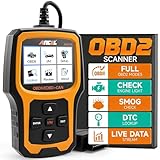
- Understand Your Check Engine Light – The ANCEL AD410 OBD2 scanner helps everyday drivers quickly read and clear engine-related fault codes, view code definitions, and understand why the check engine light is on before visiting a repair shop. With 42,000+ built-in DTC lookups, this car code reader helps reduce guesswork and makes basic vehicle diagnostics easier for beginners and DIY users
- Full OBD2 Diagnostics Made Simple – More than a basic engine code reader, this OBD2 scanner diagnostic tool supports key OBDII functions including reading/clearing codes, live data, freeze frame, I/M readiness, O2 sensor test, EVAP test, vehicle information, and MIL status. It helps you check your car’s condition, verify repairs after the issue is fixed, and communicate with mechanics more confidently
- Live Date & Real-time Vehicle Insights – View real-time engine data such as RPM, coolant temperature, fuel trim, oxygen sensor readings, and other available OBD2 parameters directly on the screen. These live data readings help you better understand how your vehicle is running, spot abnormal patterns, and make more informed repair decisions instead of relying only on a warning light
- Smog Check Readiness At A Glance – Use the I/M readiness function before a smog check or emissions inspection to see whether your vehicle’s monitors are ready. This OBD2 code scanner helps you confirm if recent repairs have brought the system back to a ready state, reducing the chance of failed inspections, retests, wasted trips, and unnecessary inspection fees
- Works With Most OBD2 Vehicles – Compatible with most 1996 and newer U.S.-based OBD2 cars, SUVs, and light trucks, as well as many 2000 and newer EU/Asian OBD2 vehicles. Supports major OBDII protocols including CAN, ISO9141, KWP2000, J1850 VPW, and J1850 PWM. This automotive diagnostic scanner is designed for wide vehicle coverage; please check compatibility with your vehicle before purchase
It’s one of the most overlooked values on this list.
17. Mini Cooper JCW GP — ~4.4 seconds
Short wheelbase, stiff suspension, and aggressive gearing define the GP. Traction is its limiting factor, not power, but get it right and it’s shockingly quick. It feels like a street‑legal track toy.
Comfort is optional, involvement is mandatory.
18. Honda Civic Type R — ~4.5 seconds
Front‑wheel drive isn’t supposed to do this, yet the Type R keeps proving people wrong. Trick suspension geometry and limited‑slip magic make launches surprisingly clean. It’s not effortless, but it’s incredibly effective.
The reward comes from precision, not brute torque.
19. Chevrolet Cobalt SS Turbo — ~4.9 seconds
The wildcard that still earns respect. Lightweight, turbocharged, and brutally simple, the Cobalt SS punches far above its price on the used market. Traction management is primitive, but that’s part of the charm.
It’s proof that smart engineering can age exceptionally well when speed is the goal.
How They Do It: Turbocharging, AWD, EV Torque, and Old‑School Displacement Explained
Look back at the cars above and a pattern emerges. None rely on a single magic trick. Sub‑5‑second 0–60 times at real‑world prices come from stacking advantages—power delivery, traction, gearing, and weight management—then letting physics do the rest.
What’s actually slowing this PC down?
Pick the symptom - the matching free tool is one click away.
This is why today’s “cheap fast cars” don’t all feel the same. They attack the problem from different engineering angles, each with its own compromises in feel, cost, and ownership.
Turbocharging: Making Small Engines Hit Like Big Ones
Turbocharging is the great equalizer. A modern turbo four making 280–320 HP simply replaces the displacement that budget buyers can’t afford. The key isn’t peak power—it’s how early the torque arrives.
Engines like Mazda’s 2.5T or Hyundai’s N‑series units deliver usable torque well below 3,000 rpm, which is exactly where a 0–60 run lives. That early shove reduces the need for high‑rpm clutch drops or abusive launches, preserving driveline components while still posting big numbers.
The trade‑off is heat and complexity. Turbos demand good cooling, quality oil, and disciplined maintenance, but modern designs have dramatically narrowed the reliability gap compared to naturally aspirated engines.
AWD: Turning Power Into Forward Motion
All‑wheel drive doesn’t make cars faster—it makes them easier to launch fast. Vehicles like the GR Corolla or Mazda3 Turbo don’t win because they’re overpowered, but because they waste almost nothing off the line.
By distributing torque across four contact patches, AWD allows more aggressive gearing and higher launch RPM without wheelspin. That consistency is why AWD cars often beat more powerful rear‑drive rivals in short sprints, especially on imperfect pavement.
The cost comes in weight and complexity. More driveline components mean more mass and more things to service, but for buyers chasing repeatable acceleration, AWD remains the most reliable shortcut to sub‑5‑second runs.
EV Torque: The Acceleration Cheat Code
Electric motors don’t wait for revs, boost, or traction to build. Peak torque arrives instantly, which is why even modest EVs annihilate the first 30 feet of a 0–60 run. That’s not marketing hype—it’s physics.
Free tools Windows power users keep installed
One-click scans. No signup required.
Single‑speed gearboxes eliminate shift delays, and software‑controlled torque delivery manages wheelspin better than most humans ever could. This is how relatively affordable EVs embarrass performance cars from a decade ago.
The downside isn’t speed, it’s engagement and long‑term ownership questions. Battery degradation, charging infrastructure, and resale variability matter, but if straight‑line acceleration per dollar is the metric, EVs currently rewrite the rules.
Old‑School Displacement: No Replacement Still Applies
Naturally aspirated V6s and V8s may seem old‑fashioned, but they still deliver a unique advantage: linear, predictable power. There’s no boost curve, no lag, just throttle‑to‑tire response that’s easy to exploit.
Cars like older muscle platforms succeed because torque is always available, even without perfect launches. That makes them forgiving, durable, and often cheaper to maintain long‑term than high‑strung turbo setups.
Fuel economy and emissions regulations are their enemy, not performance. On the used market, displacement remains one of the most reliable ways to buy speed without software, sensors, or forced induction complexity.
Why Sub‑5 Seconds Is Now a Budget Achievement
What unites all these cars is not price or prestige, but optimization. Lighter platforms, smarter transmissions, better tires, and launch control have compressed performance gaps that once required supercar money.
Today, buyers can choose their flavor of fast—boosted, AWD, electric, or naturally aspirated—based on driving style and ownership tolerance. The stopwatch no longer cares how the speed is made, only how efficiently it reaches 60.
That’s the real shift. Acceleration has been democratized, and the cars above prove that serious speed is no longer reserved for exotic badges or six‑figure budgets.
Recommended Free Tools
Hidden Costs of Speed: Insurance, Tires, Maintenance, and Reliability Trade‑Offs
Sub‑5‑second acceleration may be democratized, but ownership costs haven’t disappeared—they’ve just shifted. The faster the car, the more every supporting system gets stressed, and that reality shows up monthly, not just at the drag strip. Understanding where the money goes is how you keep a “cheap” fast car from becoming an expensive mistake.
Insurance: Performance Flags Still Matter
Insurers don’t care that you bought your 0–60 monster used or on a budget. They see horsepower, torque, drivetrain layout, and historical claim data, then price risk accordingly. Turbocharged AWD sedans and V8 muscle cars routinely carry higher premiums than their acceleration times suggest they should.
Age, driving record, and location matter, but so does branding. A 4.5‑second family sedan often insures cheaper than a 4.8‑second coupe with a performance badge, even if real‑world speed is similar. That’s an unglamorous but critical part of value‑for‑speed math.
Rank #4
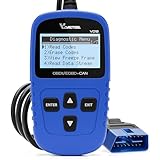
- 【A MUST-HAVE SCANNER TOOL FOR DIYERS】 - VDIAGTOOL VD10 car code reader is an incredibly useful, handheld obd2 scanner for each car owner or hobbyist, even for those with little to no experience when it comes to vehicle mechanics! Similar to a fixd car diagnostic tool, using this car diagnostic scanner is extremely easy. All you have to do is attach it to your car OBDII port and you can diagnose car problems in seconds! Read Codes (DTCs); Clear Codes; Live Data; View Freeze Frame; I/M Readiness; Vehicle Information.
- 【KEEP ENGINE IN GOOD STATUS】 - VDIAGTOOL check engine code reader brings a fast access to scan, read the car fault code, show its definition on the screen instantly, troubleshooting to find the root causes of problems, erase the engine fault code and turn off the MIL (Malfunction Indicator Light). Similar to a fixd car diagnostic tool, this car code reader helps ensure your engine stays in top condition.
- 【READ/CLEAR CODES & DTC LOOKUP】- No search online & saving your time, this vehicle car code reader retrieves generic (P0, P2, P3, and U0), manufacturer specific (P1, P3, and U1) codes, pending codes and displays DTC definitions based on the built-in database(more than 3000 codes) on the TFT screen, find out the root causes and clear the codes after fixed.
- 【ENHANCED OBD2 SCANNER WITH LIVE DATA & RETRIEVE FREEZE FRAME】 - This diagnostic scan tool for accurate diagnosis enables you to retrieve data from vehicle sensors, such as Engine RPM, Intake air temperature, Short/Long term fuel, Misfire data and etc. The freeze frame is stored in the PCM together with the diagnostic trouble code (DTC) related to the fault. Comparable to a fixd car diagnostic tool, the VD10 car code reader car scanner can be a valuable & practical diagnostic aid and also greatly help when diagnosing intermittent problems.
- 【I/M READINESS for THE S-nn-0-g CHECK】- OBDII vehicle may not pass the annual inspection unless the required monitors since reset are complete. So you should at least read the readiness monitors and make sure they are ready. This car obd2 scanner diagnostic tool is equipped with I/M readiness function to check the operations of the e-m-issi0n system on OBD2 compliant vehicles, run I/M monitor readiness test, checking if the pass vehicle s-m-0-g inspection.
Tires: The Real Cost of Launch Control
Fast cars eat tires, and traction is the hidden consumable nobody budgets correctly. AWD launches and instant EV torque shred rubber, especially on soft compound summer performance tires. Expect 15,000–25,000 miles at best if you actually use the acceleration you paid for.
Worse, many of these cars require staggered or matched sets, meaning no cheap rotation strategy. A full set of quality performance tires can easily run four figures, and skipping them compromises the very 0–60 performance that made the car appealing in the first place.
Brakes and Consumables: Speed Is Easy, Stopping Isn’t Cheap
Straight‑line speed is only half the equation. Heavier cars—especially EVs—demand larger rotors, more aggressive pads, and more frequent service if driven hard. Regenerative braking helps around town, but repeated high‑speed stops still generate heat that consumables can’t ignore.
Performance brake jobs cost more, period. Pads, rotors, and fluid intervals shorten as acceleration climbs, and cheap replacements often lead to fade, vibration, or uneven wear that ruins daily drivability.
Maintenance Complexity: Boost, Batteries, and Big Torque
Forced induction delivers incredible value per dollar, but it adds thermal and mechanical complexity. Turbos, intercoolers, high‑pressure fuel systems, and tighter tolerances mean maintenance schedules matter more than ever. Miss oil changes or cooling service, and the repair bills escalate quickly.
Quick wins for a faster PC:
Repair Windows errors before they cause bigger problemsFix Now →Scan for outdated or missing drivers - takes under a minuteDriver Scan →EVs flip the script. Fewer moving parts and no oil changes help long‑term costs, but battery health, cooling systems, and software updates become the new variables. Warranty coverage matters more here than mileage, especially as replacement packs remain expensive.
Reliability Trade‑Offs: Simple Power vs. Smart Power
Naturally aspirated engines still win the reliability argument under abuse. Fewer parts, lower cylinder pressures, and predictable heat cycles make them forgiving, especially on the used market. That’s why older V6 and V8 platforms remain popular with buyers who want speed without constant vigilance.
Modern turbo and electric drivetrains can be extremely reliable, but they reward discipline. Warm‑up habits, cooling management, charging behavior, and software support all influence longevity. Cheap speed is absolutely real—but only if you respect the engineering that makes it possible.
The Real Budget Question: Can You Afford to Use the Speed?
Buying a sub‑5‑second car is one transaction. Owning it properly is an ongoing commitment to tires, insurance, maintenance, and informed driving habits. The smartest performance buys aren’t just quick on paper—they’re sustainable in the real world.
The Tool Desk
Outbyte PC Repair FREEClear out junk files and repair common Windows errorsFree Scan →Outbyte Driver Updater FREEFix the driver behind crashes, sound loss and screen glitchesFind Drivers →That’s the final filter between headline acceleration numbers and true value. Speed may be democratized, but responsibility is still optional—and expensive if ignored.
Best Buys by Category: Cheapest, Most Reliable, Best Daily Driver, and Best Mod Platform
By this point, the numbers are clear. Sub‑5‑second acceleration isn’t rare, exotic, or reserved for six‑figure window stickers anymore. What matters now is matching that speed to how you actually live with the car—because the “best” option changes depending on whether your priority is purchase price, longevity, daily comfort, or tuning headroom.
Cheapest Entry Point to Sub‑5‑Second Speed
If the goal is maximum acceleration for minimum money, used EV performance sedans dominate the conversation. A used Tesla Model 3 Performance routinely trades in the mid‑$30K range and delivers repeatable 3.1–3.3 second 0–60 runs with zero drivetrain drama. No launch technique, no traction management learning curve—just instant torque and software‑controlled consistency.
On the ICE side, older V8 muscle still punches above its price class. A well‑kept fifth‑gen Camaro SS or Coyote‑powered Mustang GT can be found in the high‑$20Ks to low‑$30Ks, and both crack 60 mph in the low‑4s with nothing more than street tires. Fuel and insurance costs are higher, but the upfront speed‑per‑dollar equation is brutally efficient.
Do these 3 things before closing this tab:
1Fix the driver behind crashes, sound loss and screen glitches2Repair Windows errors before they cause bigger problems3Scan for outdated or missing drivers - takes under a minuteMost Reliable Long‑Term Performer
Reliability favors simple power delivery and understressed hardware. Naturally aspirated V8s remain the safest bet for buyers who want sub‑5‑second performance without living at the mercy of boost pressure and heat management. The Chevrolet Camaro SS stands out here, with a proven LS‑based architecture, robust cooling, and drivetrains that tolerate abuse far better than most turbocharged rivals.
Among modern forced‑induction cars, the BMW M240i deserves credit. Its B58 inline‑six has earned a reputation for durability, even under hard use, and delivers mid‑4‑second 0–60 times in stock form. Maintenance isn’t cheap, but when serviced properly, this platform holds up far better than older German turbo setups.
Best Daily Driver with Real Speed
Daily usability is where balanced performance cars separate themselves from straight‑line heroes. The Volkswagen Golf R remains one of the smartest all‑around picks, combining a 4.5‑second 0–60 sprint with all‑wheel drive, a usable rear seat, and real winter capability. It’s quick in bad weather, quiet on the highway, and still entertaining when pushed.
The Tesla Model 3 Performance also belongs here, despite its polarizing interior. As a commuter, it’s effortless—no warm‑ups, no shifting, no fuel stops—and its acceleration never gets old. Ride quality and tire wear are the trade‑offs, but for buyers who want speed without daily fatigue, it’s shockingly effective.
Best Mod Platform for Cheap Speed
If your definition of value includes future horsepower, turbocharged platforms rule. The Ford Mustang EcoBoost is the standout budget tuner, running 0–60 in the mid‑4s stock and responding dramatically to intake, tune, and intercooler upgrades. The aftermarket is enormous, parts are cheap, and the chassis can handle far more power than stock output suggests.
For all‑wheel‑drive fans, the Subaru WRX STI remains a legend for a reason. Stock acceleration just sneaks under the 5‑second mark, but the real appeal is its drivetrain strength and rally‑bred layout. Mods require discipline and tuning knowledge, but few platforms offer this combination of traction, community support, and scalable performance.
Each of these categories proves the same point from a different angle. Sub‑5‑second speed is no longer the challenge—choosing the version of that speed you can afford to own, maintain, and enjoy is where real performance buying decisions are made.
Independent reader supportYour contribution helps us test, update, and keep practical guides available for everyone.New vs. Used: Where the Smart Money Goes for Maximum Acceleration per Dollar
Once you accept that sub‑5‑second 0–60 performance is attainable, the real question becomes how to buy it intelligently. This is where new versus used decisions dramatically reshape the value equation, especially for buyers who care more about thrust than touchscreen size. Acceleration is cheap now—but only if you understand where depreciation and drivetrain tech intersect.
Why Used Performance Cars Dominate the Value Chart
Used is where acceleration bargains explode. A five‑year‑old performance car has already taken its biggest depreciation hit, yet its powertrain is often barely broken in. Cars like the Chevrolet Camaro SS, BMW M240i, and Audi S4 routinely sell in the mid‑$20K range while still delivering mid‑4‑second 0–60 runs.
From a physics standpoint, nothing about their acceleration has changed. Power‑to‑weight ratios remain strong, torque curves are intact, and modern stability systems keep launches repeatable. The risk comes down to maintenance history, not inherent performance, which is why service records matter more than mileage for speed‑focused buyers.
New Cars: When Warranty and Traction Matter More Than Raw Value
New cars still make sense if you prioritize consistency and peace of mind. Factory warranties, fresh driveline components, and updated traction control systems make modern AWD and EV platforms brutally effective off the line. A new Tesla Model 3 Performance or Golf R delivers reliable sub‑5‑second launches with zero mechanical drama.
However, you pay for that predictability. Dollar for dollar, a new performance car almost always delivers slower acceleration than a lightly used alternative at the same price. You’re buying refinement, not maximum G‑force per dollar.
Best Value

- 【Diagnose Check Engine Light in Seconds – No Mechanic Needed】The FOXWELL NT301 OBD2 scanner instantly reads & clears engine fault codes (DTCs) with one click. Simply plug into the 16-pin DLC port, turn ignition on, and get accurate results within seconds—No prior car knowledge required. Save hundreds on dealership fees by knowing exactly what’s wrong before you visit a shop. The #1 choice car scanner for DIYers and car owners who want to take control of their vehicle’s health
- 【Clear & Reset CEL with Confidence】Unlike cheap code readers that just erase codes temporarily, NT301 works like all professional vehicle code readers: It clears the check engine light only after you’ve fixed the underlying issue. If the problem isn’t fully repaired, the fault code will reappear. So you’ll never get a false pass. Use the foxwell scanner to verify your repair work and drive with peace of mind
- 【Sm-og Check Helper – Know Your Pass/Fail Status Before the Test】With dedicated one-click I/M readiness hotkeys and a simple Red-Yellow-Green LED indicator, you’ll instantly know if your vehicle is ready for annual testing. Built-in speaker provides clear audio feedback. No guesswork—just confidence before you head to the test center. One less thing to worry about when inspection day comes
- 【Advanced OBDII Modes – O- 2 Sensor & EVAP Testing】NT301 go beyond basic code reading with enhanced OBD2 modes. Run an EVAP system check to assess fuel tank condition, and use the O- 2 sensor test to optimize air-fuel ratio, boosting fuel economy, cutting em- issions, and saving you money at the pump. The code reader for cars and trucks is like having a mini em-issions lab in your glove box
- 【Live Data Graphing – Spot Engine Issues in Real Time】View and log live sensor data in easy-to-read graphs with this OBD2 scanner diagnostic tool. Monitor ox- ygen sensors, fuel trims, coolant temperature, RPM, and more to spot suspicious values instantly. This obd scanner gives you professional-grade insight without the pro price tag—a feature you won’t find on basic $20 car code readers
Drivetrain Choices That Change the Equation
Acceleration isn’t just about horsepower—it’s about how effectively a car puts torque to the ground. All‑wheel drive cars dominate real‑world 0–60 times, especially in less‑than‑perfect conditions, which is why used AWD sedans and hatchbacks are such strong value plays. Even with modest power figures, traction can compensate where rear‑drive cars struggle.
Rear‑wheel drive still wins for purists and modders. Used RWD platforms offer simpler layouts, lighter curb weights, and fewer drivetrain losses, which matters once you start tuning. The trade‑off is consistency; perfect launches require skill, tires, and surface conditions that AWD cars largely ignore.
The Hidden Costs That Separate Smart Buys from Fast Mistakes
Cheap speed isn’t cheap if ownership costs spiral. High‑output used cars can burn through tires, brakes, and clutches quickly, especially if previous owners treated launch control like a party trick. Insurance premiums and fuel costs also scale with performance, often erasing initial savings if overlooked.
This is where certain platforms shine. Cars with proven engines, conservative factory tuning, and large enthusiast communities tend to age well. When parts availability is strong and known issues are documented, used performance ownership becomes predictable—and predictability is what turns fast cars into smart purchases.
Recommended Free Tools
Ultimately, maximum acceleration per dollar lives in the overlap between depreciation, drivetrain efficiency, and mechanical honesty. Buyers who understand that equation don’t just get to 60 quicker—they get there without regret.
What to Test Drive First: Launch Feel, Transmission Behavior, and Real‑World Usability
Once you understand the value equation—depreciation, drivetrain layout, and mechanical integrity—the next step is seat time. On paper, dozens of cars crack 0–60 in under five seconds. In the real world, only some of them feel fast every single time you roll onto the throttle, not just on a prepped surface with launch control armed.
This is where smart buyers separate genuinely quick cars from spec-sheet heroes.
Launch Feel: How Easily the Car Delivers Its Numbers
The first thing to evaluate is how much effort it takes to achieve hard acceleration. Cars like the Golf R, WRX STI, and Tesla Model 3 Performance feel aggressive the moment you release the brake, even without abusing launch control. That instant shove is traction doing the work, not driver skill.
Contrast that with high-power rear-wheel-drive options like a used Mustang GT or Camaro SS. They can match or beat AWD rivals on a perfect run, but the initial hit often feels softer unless tires, surface, and throttle modulation are dialed in. If you want repeatable sub‑5‑second runs on public roads, launch consistency matters more than peak output.
Transmission Behavior: The Silent Accelerator
Gearboxes play a massive role in real-world acceleration, especially in budget performance cars. Dual-clutch automatics and modern torque-converter autos deliver brutally quick, drama-free shifts that preserve boost and momentum. That’s why a used BMW M240i or Audi S3 feels faster than its horsepower rating suggests.
Manuals bring engagement, but they demand precision. Miss a shift or short-shift under pressure, and your 0–60 run is already compromised. If straight-line speed per dollar is the priority, the fastest “cheap” cars almost always pair strong engines with exceptional automatics.
Power Delivery: Torque Curves Beat Peak Numbers
When test driving, focus less on redline theatrics and more on midrange punch. Turbocharged engines with flat torque curves feel fast everywhere, not just at wide-open throttle. This is why modestly powered cars like the Civic Type R or Golf GTI can feel deceptively quick rolling onto a highway.
Crashes, No Sound, or Screen Glitches?
Random freezes, missing sound and display glitches usually trace back to one bad driver. Find and replace yours safely.Free scan · under a minutePC Slower Than It Used to Be?
A free scan shows the junk files, broken settings and background clutter dragging Windows down - then fixes them in one click.Free scan · Windows 10 & 11Naturally aspirated engines reward revs, but they require commitment. In daily driving, torque at 2,500 to 4,000 rpm is what delivers usable speed. Sub‑5‑second capability is far more impressive when it’s accessible without downshifting three gears.
Real‑World Usability: Speed You Can Actually Use
Finally, evaluate how the car behaves when you’re not chasing numbers. Suspension tuning, throttle mapping, and drivetrain smoothness determine whether a fast car feels sharp or exhausting. The best budget performance cars manage to be quick without punishing you in traffic or on rough pavement.
This is where newer designs often justify their higher prices. Refined traction control, adaptive dampers, and smarter transmissions make modern sub‑5‑second cars easier to live with than older, raw alternatives. Cheap speed is impressive, but usable speed is what keeps you enjoying the car long after the novelty of launch control fades.
Final Take: The Best Value‑for‑Speed Picks You Can Actually Live With
When you zoom out and look at the full picture—acceleration, drivetrain sophistication, real‑world behavior, and ownership costs—it’s clear that sub‑5‑second performance is no longer a rich‑person’s game. The cars that truly stand out aren’t just quick on paper; they deliver repeatable speed without punishing you every time you hit traffic or a pothole. That balance is where real value lives.
The Tool Desk
Outbyte PC Repair FREERepair Windows errors before they cause bigger problemsFix Now →Outbyte Driver Updater FREEFix the driver behind crashes, sound loss and screen glitchesFind Drivers →The Sweet Spot: Turbo Power, Smart Automatics, Rear or AWD
From a value‑for‑speed perspective, turbocharged six‑cylinders and high‑output turbo fours dominate for a reason. Cars like the BMW M240i, Audi S3, and Kia Stinger GT consistently outperform their price tags thanks to broad torque curves and exceptional automatic transmissions. These drivetrains make 0–60 runs effortless and just as importantly, make passing power available at any speed.
All‑wheel drive deserves special mention here. In imperfect conditions, AWD cars like the Audi S3 or Tesla Model 3 Performance deliver acceleration you can actually use year‑round. The traction advantage often matters more than raw horsepower, especially for drivers who don’t live on prepped drag strips.
Manual vs Automatic: Choose Your Battles
If your priority is maximum speed per dollar, the data is blunt: modern automatics win. Dual‑clutch and well‑tuned torque‑converter units shift faster than most humans and keep boost online between gears. That’s why automatics dominate real‑world acceleration testing, even when manuals are offered.
That said, cars like the Civic Type R or Camaro SS prove manuals still have a place for enthusiasts who value involvement. You give up some consistency off the line, but you gain a level of mechanical connection that many drivers still crave. The key is being honest about what you value more—numbers or nuance.
Quick wins for a faster PC:
Repair Windows errors before they cause bigger problemsFix Now →Scan for outdated or missing drivers - takes under a minuteDriver Scan →Ownership Reality: Fast Cars You Won’t Regret
Cheap speed isn’t cheap if it comes with constant repairs, brutal ride quality, or eye‑watering insurance premiums. The best value picks are cars that combine proven powertrains with reasonable running costs and everyday comfort. Adaptive dampers, refined traction control, and modern infotainment all matter more than spec‑sheet bragging rights once the honeymoon phase ends.
This is where lightly used performance sedans and coupes shine. A well‑maintained used M240i, S3, or even a Mustang GT offers explosive performance with livable manners and broad aftermarket support. They’re fast enough to thrill, refined enough to commute, and common enough that parts and service won’t ruin you.
The Bottom Line
Sub‑5‑second 0–60 performance is no longer exotic, and it doesn’t have to be irresponsible. Today’s best value‑for‑speed cars blend strong midrange torque, intelligent transmissions, and chassis tuning that works beyond a single launch. Whether you’re buying new or used, the smartest choices are the ones that feel fast everywhere, not just when you’re trying to impress a stopwatch.
If you focus on usable torque, traction, and drivetrain execution—not just headline horsepower—you’ll end up with a car that’s genuinely quick, genuinely affordable, and genuinely enjoyable to live with. That’s the real victory in the modern performance bargain hunt.
What’s actually slowing this PC down?
Pick the symptom - the matching free tool is one click away.
Quick Recap
Product prices and availability are accurate as of the date/time indicated and are subject to change. Any price and availability information displayed on Amazon at the time of purchase will apply.