Short answer: the Volkswagen T-Roc, BMW 4 Series, BMW 1 Series, BMW 2 Series, Audi Q2, Volkswagen Polo, petrol Škoda Octavia, diesel Škoda Superb, Fiat 500e and a carefully selected recent Mercedes-Benz C-Class are the European cars most worth investigating for reliability.
That is not a universal 1-to-10 ranking. Reliability changes with model year, engine, gearbox, market and maintenance history. The strongest choices in this guide are supported by owner surveys, German technical inspections, roadside-breakdown data or—in the case of the BMW 2 Series—U.S. reliability research. The Mercedes-Benz C-Class is included specifically because its evidence conflicts: it performed exceptionally well in one recent TÜV inspection cohort but poorly in a major owner survey.
For a used buyer, the safest approach is to use this list as a shortlist, then verify the exact car’s service history, accident record, powertrain and condition with an independent inspection.
How this list was built
These cars are drawn from several current sources that measure different aspects of dependability:
#1 Best Overall

- Accurate, Dependable Readings: Factory‑calibrated to ±1 PSI, so you can confidently match your vehicle’s recommended PSI (check the door jamb sticker). Ideal for monthly checks and road trips — consistent results every time, cold or warm.
- Bright Backlit Display & Nozzle Light: The illuminated nozzle helps you find the valve stem in the dark, while the backlit LCD makes readings crystal clear in dim garages or at night. No more squinting or holding a flashlight.
- 4 Measurement Units, One Button: Quickly switch among PSI, Bar, Kgf/cm², and KPA with a single press. No complex settings — just press and cycle to your preferred unit. Perfect for drivers who need multiple scales.
- Broad Compatibility for Everyday Vehicles: 0–150 PSI covers cars, SUVs, motorcycles, and spare tires (often 60 PSI). Fits standard Schrader valves; just press on for a reading.
- Auto‑Off to Extend Battery Life: The gauge automatically powers down after 30 seconds of inactivity, so the included 2*AAA batteries last longer. Always ready for your monthly checks without surprise dead batteries.
- What Car?’s 2025 reliability survey: more than 32,000 owners reported faults, repair costs and downtime for cars up to five years old. Its scores are useful for real-world ownership problems, but a reliability rating is not the same thing as the percentage of cars that will remain fault-free.
- TÜV Report 2026: approximately 9.5 million German periodic technical inspections covering 216 models. This is strong evidence of physical defects and roadworthiness in defined age groups, but it will not capture every infotainment, comfort or ownership-cost problem.
- ADAC’s 2026 breakdown analysis: roadside breakdown data covering 158 vehicle series from 27 manufacturers. ADAC says the five-year probability of a breakdown fell from 3.6% for vehicles from 2015 to 2.1% for vehicles from 2025, although individual models and model years still differ significantly.
- Consumer Reports’ 2026 research: a U.S.-market counterweight that places BMW among the strongest European brands in its available analysis and identifies the BMW 2 Series as the highest-scoring European model. U.S. results do not automatically apply to European-market engines, trims or transmissions.
Because these sources measure different things, their results should not be combined into a single pseudo-precise score. A car that rarely leaves its owner stranded can still have expensive electronic faults, while a car that passes a technical inspection can still suffer from a troublesome infotainment system.
The 10 European cars worth putting on your shortlist
| Model and applicable cohort | Evidence worth knowing | Main buying caution |
|---|---|---|
| Volkswagen T-Roc 2018–2025, especially petrol |
99.0% What Car? rating; 4% of surveyed cars faulty; TÜV’s most reliable SUV in its two- to three-year group | Check infotainment, locks and, on diesels, AdBlue and DPF systems |
| BMW 4 Series Coupé/Convertible 2020–present |
98.5% What Car? rating; all reported cars remained driveable | Inspect non-engine electrics, steering, bodywork and accident repairs |
| BMW 1 Series Recent examples |
BMW 1/2 Series topped TÜV’s compact class for two- to three-year-old cars; BMW performed consistently well in ADAC’s analysis | Verify the exact generation, engine and transmission |
| BMW 2 Series Especially 2021–present Coupé/Convertible |
93.3% What Car? rating; strongest European model in Consumer Reports’ cited U.S. research | Confirm the exact U.S. or European powertrain and specification |
| Audi Q2 Recent examples |
10% of surveyed cars went wrong; all remained driveable and repairs were free to owners | Do not assume the result applies to every Audi SUV |
| Volkswagen Polo 2018–present |
98.5% What Car? rating; 5% of owners reported faults | Air-conditioning and bodywork faults took more than a week to repair |
| Škoda Octavia petrol 2013–2020 |
99.3% What Car? rating; faults did not cause breakdowns and repairs took less than a day | Newer generations have attracted more infotainment and electrical complaints |
| Škoda Superb diesel 2015–2024 |
92.9% in What Car?’s model-specific research | Diesel emissions hardware and high-mileage maintenance are decisive |
| Fiat 500e Two- to three-year-old examples |
TÜV Report 2026’s most reliable vehicle in its mini-car class | Inspection evidence does not prove long-term, high-mileage battery durability |
| Mercedes-Benz C-Class Two- to three-year-old TÜV cohort |
TÜV’s most reliable mid-range car in that age group | What Car? rated the 2021-present C-Class only 76.3% |
1. Volkswagen T-Roc: the strongest all-round recommendation
The Volkswagen T-Roc is the clearest all-round European recommendation in the available owner-survey evidence. What Car? gave the 2018–2025 model a 99.0% reliability rating. Only 4% of surveyed cars were reported faulty, all of those cars remained driveable, and Volkswagen paid for 99% of the remedial work.
The result is reinforced by TÜV Report 2026, which named the T-Roc the most reliable SUV in its two- to three-year-old inspection group. That combination—very few owner-reported faults and a strong recent roadworthiness result—makes it a particularly sensible used-SUV shortlist candidate.
Best fit: a 2018–2025 petrol T-Roc with complete maintenance records. Inspect the infotainment system, door locks and electrical equipment. Diesel buyers should pay particular attention to AdBlue and diesel-particulate-filter history, especially if the vehicle was used mainly for short journeys.
What’s actually slowing this PC down?
Pick the symptom - the matching free tool is one click away.
2. BMW 4 Series Coupé or Convertible: the dependable sports-car choice
The current-generation BMW 4 Series is the strongest European sports-car result in What Car?’s latest survey, with a 98.5% reliability rating for 2020-present coupé and convertible models. Eight percent of surveyed examples had faults, but every affected car remained driveable and BMW covered the reported repair costs.
The faults were concentrated in non-engine electrics, bodywork and steering rather than failures that routinely immobilized the car. That does not make every 4 Series trouble-free. A performance-oriented car can also have a more expensive ownership profile because of tires, brakes, suspension components and insurance.
Best fit: a recent petrol model with a documented service history. Test every electrical function, check steering for warning lights or abnormal feel, and inspect the body carefully for accident repairs. A convertible deserves additional checks of the roof mechanism, seals and water ingress.
3. BMW 1 Series: a compact car with unusually strong inspection support
The BMW 1 Series benefits from German inspection evidence as well as broader breakdown data. TÜV Report 2026 identifies the BMW 1/2 Series as the most reliable compact-class vehicles among two- to three-year-old cars. ADAC also evaluates the 1 Series in its current breakdown analysis and reports that BMW was among the brands performing consistently well.
This is a cohort-based recommendation, not a verdict on every 1 Series ever built. The front-wheel-drive current generation is mechanically different from older rear-wheel-drive cars, and engine, transmission and model-year differences matter.
Rank #2

- PROCESS LEVEL ACCURACY: This heavy duty tire pressure gauge is calibrated manually to ANSI B40.1 Grade A (±1% of span)
- PRESSURE RANGE 0-75 PSI: ETENWOLF’s tire gauge can measure pressure of pickup, motorcycle, truck, bike, SUV, RV or ATV
- EASY TO READ IN THE DARKNESS: The large glow dial helps you clearly read the pressure at night or in low light
- EASY TO USE: 360 degree swivel chuck allows you to measure and take a reading from a tire valve at any angle
- ACCURACY IN EXTREME WEATHER: PSI gauge works normally even in extreme cold or hot weather
Best fit: a recent, well-documented example that passes an independent inspection. Confirm the exact engine and gearbox, check that software updates and recalls have been completed, and test the driver-assistance, climate-control and infotainment systems rather than assuming a premium badge guarantees quality.
4. BMW 2 Series: the best cross-market evidence
The BMW 2 Series has particularly broad support. TÜV places the BMW 1/2 Series at the top of its compact class for two- to three-year-old vehicles. What Car?’s coupé and convertible survey gives the 2021-present 2 Series a 93.3% reliability rating. Consumer Reports also identifies the BMW 2 Series as the highest-scoring European model in its cited U.S. reliability research.
The different scores do not represent a contradiction. They cover different markets, body styles, samples and definitions of reliability. They do suggest that a recent 2 Series deserves serious consideration when the buyer wants a European car with stronger-than-typical evidence on both sides of the Atlantic.
Best fit: a recent 2 Series with a verified powertrain and full maintenance documentation. U.S. shoppers should confirm that the exact engine, transmission and trim being considered is sold and supported locally; an imported specification can have different parts, software and emissions requirements.
5. Audi Q2: a better small-SUV bet than a blanket Audi recommendation
The Audi Q2 is one of the more defensible small European SUV choices in the research. What Car? reports that 10% of surveyed Q2s went wrong, all remained driveable, and all reported faults were repaired without cost to the owners.
The important qualification is model specificity. This evidence should not be generalized to every Audi SUV. In the same What Car? data, the Audi Q7 was identified as a poor performer. Brand reputation is therefore less useful than the exact model, year and powertrain.
Best fit: a recent Q2 petrol or mild-hybrid example with a complete service history. Check infotainment, parking sensors, driver-assistance features and other electrical systems, and verify that any outstanding recalls or software campaigns have been addressed.
The Tool Desk
Outbyte Driver Updater FREEScan for outdated or missing drivers - takes under a minuteDriver Scan →Outbyte PC Repair FREERepair Windows errors before they cause bigger problemsFix Now →6. Volkswagen Polo: an excellent fault rate with a downtime warning
The 2018-present Volkswagen Polo scored 98.5% in What Car?’s latest model survey. Only 5% of owners reported faults, with air-conditioning and bodywork among the main listed problem areas. All repairs were completed free of charge.
There is, however, a meaningful caveat: every reported repair took more than a week. A low fault rate is valuable, but so is the ability to get a car back quickly. Buyers who rely on one vehicle for commuting should investigate local dealer capacity, warranty terms and the availability of a courtesy car.
Rank #3
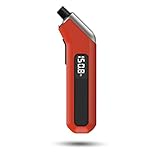
- PROCESS LEVEL ACCURACY: Each ETENWOLF’s digital tire pressure gauge is calibrated manually to ANSI B40.7 Grade 2A(plus-minus 1 PSI).Presta valve adapter not included, if used for bicycles, it must be purchased separately
- ACCURACY IN EXTREME PRESSURE RANGE: Whether tire pressure is below 12 PSI or above 140 PSI, ETENWOLF’s digital tire gauge is accurate as well
- ACCURACY IN EXTREME WEATHER: Built-in AI chip with thermal compensation inside, ETENWOLF’s tire gauge works normally even in extreme cold or hot weather(-4°F-130°F/-20°C-54°C)
- PRESSURE RANGE 3-200 PSI : ETENWOLF’s digital tire pressure gauge can measure pressure of all types of vehicles
- REPLACEABLE AAA BATTERIES: Batteries are easy to replace and helps to extend the tire pressure gauge’s life span, with LED light to illuminate dark areas for easy tire pressure reading
Best fit: a 2018-present petrol Polo. Test the air-conditioning under load, inspect the bodywork in daylight and ask for documentation of previous repairs. Do not interpret the 98.5% score as a promise that any individual car will be inexpensive or quick to repair.
7. Škoda Octavia petrol, 2013–2020: the standout used family car
The previous-generation petrol Škoda Octavia is one of the strongest used-car recommendations in the evidence, with a 99.3% What Car? reliability rating. Only 6% of surveyed cars experienced glitches. Those issues did not cause breakdowns, all were repaired in less than a day, and the repairs were free to the owners in the survey.
The recommendation is specifically for petrol cars from 2013–2020. Newer Octavia generations have attracted more complaints involving infotainment and electrical systems, so the impressive older-generation score should not be transferred automatically to the current model.
Best fit: a 2013–2020 petrol hatchback or estate with full maintenance documentation. Test the infotainment, climate controls, windows, sensors and other electrical equipment. If the car has a DSG transmission, verify the correct servicing and look for smooth engagement in both stop-start traffic and brisk acceleration.
8. Škoda Superb diesel, 2015–2024: a long-distance specialist
What Car?’s model-specific Škoda research gives the 2015–2024 Superb diesel a 92.9% reliability rating. That is less spectacular than the petrol Octavia’s result, but the Superb remains an attractive candidate for buyers who need a spacious family car and regularly drive long distances.
Diesel suitability is central to the decision. A Superb diesel used primarily for short urban trips can be a worse ownership proposition than a petrol alternative because its emissions equipment has more demanding operating requirements. Check the diesel-particulate filter, exhaust-gas recirculation system, AdBlue system where fitted, timing-belt or timing-chain requirements and transmission service records.
Crashes, No Sound, or Screen Glitches?
Random freezes, missing sound and display glitches usually trace back to one bad driver. Find and replace yours safely.Free scan · under a minutePC Slower Than It Used to Be?
A free scan shows the junk files, broken settings and background clutter dragging Windows down - then fixes them in one click.Free scan · Windows 10 & 11Best fit: a 2015–2024 diesel Superb that genuinely spends substantial time on motorways or open roads. Avoid buying one simply because diesel fuel economy looks attractive on paper if your normal driving consists of short trips.
9. Fiat 500e: the promising recent used EV
TÜV Report 2026 names the Fiat 500e the most reliable vehicle in its two- to three-year-old mini-car class. That is encouraging evidence for a recent used electric city car, but it is inspection-based rather than a long-term owner survey. It says more about defects found during the relevant technical-inspection period than about battery durability after many years and high mileage.
For a used 500e, battery and charging condition matter at least as much as the inspection result. Request battery-health documentation where available, confirm that the car charges consistently, inspect the charging cable and port, check software-update history and establish whether the battery warranty transfers to the next owner. Examine the underside for accident damage, particularly if the car has been involved in a collision.
Rank #4

- HIGH ACCURACY: Every ETENWOLF's pencil tire gauge is calibrated to ANSI B40.1 Grade B, it is accurate to 2% of span in the middle 50% of range and 3% of span in the lower and upper 25% of range. Each ETENWOLF pencil tire pressure gauge is manually calibrated and has its unique calibration number printed on the pencil
- WIDER RANGE: ETENWOLF's tire gauge offers 2 pressure ranges: 10-50PSI, 20-120PSI for all types of vehicles
- ALL METAL: ETENWOLF tire gauges are made of all solid metal, zinc alloy head and stainless steel body, they are durable and can be used for many years unless you lose them
- DEFLATION: You can also use ETENWOLF's tire gauge to deflate tires when the tire pressure is overinflated
- 16 CAPS IN 2 CASES: ETENWOLF even offers 16 valve stem caps, so you won't worry about losing tire caps anymore
Best fit: a two- to three-year-old 500e with a documented charging and battery history, bought for urban or suburban use rather than long-distance touring without a charging plan.
Do these 3 things before closing this tab:
1Repair Windows errors before they cause bigger problems2Scan for outdated or missing drivers - takes under a minute3Clear out junk files and repair common Windows errors10. Mercedes-Benz C-Class: strong TÜV result, serious survey conflict
The Mercedes-Benz C-Class earns a place only with a prominent warning. TÜV Report 2026 names it the most reliable mid-range car in its two- to three-year-old inspection group. That is a strong recent roadworthiness result.
What Car?’s latest owner survey, however, rates the 2021-present C-Class at only 76.3%. Owners reported faults across the engine, air-conditioning, fuel system, gearbox and non-engine electrics. This is a material conflict, not a minor statistical difference.
The responsible conclusion is therefore “a potentially strong recent TÜV cohort with conflicting owner-survey evidence,” not “the C-Class is universally reliable.” Buy only after a thorough inspection, preferably with remaining manufacturer or extended warranty coverage. Test the entire infotainment and driver-assistance suite, check for warning messages and insist on a complete digital and physical service record.
What the evidence really says about European-car reliability
Owner surveys reveal problems inspections can miss
What Car?’s owner survey captures the things that affect daily ownership: electrical glitches, infotainment failures, repair bills, time off the road and whether the owner had to pay. That makes it especially useful for modern European cars, which can pass a roadworthiness inspection while still developing inconvenient electronic or comfort-system faults.
Recommended Free Tools
Its data also exposes the importance of downtime. The Volkswagen Polo had a very high rating, but every reported repair took more than a week. The Škoda Octavia’s score was slightly higher, and its reported repairs took less than a day. A buyer should consider both the likelihood of a fault and the consequences when one occurs.
TÜV results are age-specific, not lifetime guarantees
TÜV Report 2026 is based on a very large sample—approximately 9.5 million inspections across 216 models—but its winners apply to defined age groups. A two- to three-year-old C-Class or Fiat 500e passing inspections well does not prove that a ten-year-old example will have the same reliability profile.
Periodic technical inspections are also not designed to capture every ownership complaint. They are better evidence of physical condition and roadworthiness than of software bugs, slow infotainment, expensive optional equipment or a repair that has not yet made the car unsafe.
Breakdown data is useful but narrow
ADAC’s analysis is valuable because it measures vehicles that actually require roadside assistance. Its broader result—that modern vehicles have not become generally more breakdown-prone—should be reassuring. Yet a car can suffer recurring non-immobilizing faults without appearing as a breakdown statistic.
Quick wins for a faster PC:
Repair Windows errors before they cause bigger problemsFix Now →Scan for outdated or missing drivers - takes under a minuteDriver Scan →Best Value

- RUGGED DESIGN: The stainless steel components prevent rust and corrosion while the precision-crafted nozzle seamlessly seals onto the valve stems for highly accurate readings (±2% span). We also provide 4 valve stem caps for convenient replacement.
- MEASURES PSI, kPa, BAR; Measurement range from 10-75 PSI, 70-550 kPa, 0.7-5.5 BAR. Attention! Do not exceed the maximum pressure of the gauge, doing so will permanently damage the device.
- UNIVERSAL APPLICATION: Not only are these gauges easy to use, but include an integrated deflator valve, chuck, and ABS indicator bar
- CONVENIENT DESIGN stows easily in a glove box, tool belt, workbench, or even a pocket; the pocket clip makes it easy to carry with you while on the job
- Further service provided by AstroAI, BATTERY FREE means no maintenance and total reliability under all weather conditions; a necessary tool for roadtrips and optimal safety
Use breakdown data to ask, “How likely is this car to leave me stranded?” Use owner surveys to ask, “What problems will I live with and what might they cost?” Use TÜV data to ask, “How often do cars of this age show inspection-relevant defects?” Those are related questions, but they are not identical.
Independent reader supportYour contribution helps us test, update, and keep practical guides available for everyone.A used-car buying process that matters more than the badge
- Define the exact car. Record the model year, body style, engine, fuel type, gearbox, drivetrain, mileage and market specification. “BMW 2 Series” and “Škoda Octavia” are too broad for a meaningful reliability decision.
- Match the powertrain to your driving. Petrol is generally the safer default for short trips. Diesel makes more sense for sustained high-mileage motorway use. An EV requires dependable charging access and satisfactory battery documentation.
- Obtain a vehicle-history report. Use it to look for title problems, accident or flood damage, odometer inconsistencies and recorded maintenance. A clean history report is useful evidence, but it does not certify mechanical condition.
- Arrange an independent pre-purchase inspection. The Federal Trade Commission explicitly warns that a vehicle-history report is not a substitute for an independent inspection. Choose a technician familiar with the specific European brand and powertrain, rather than relying only on the seller’s inspection.
- Scan the car before agreeing to buy. A consumer OBD2 scanner can supplement a professional inspection. In the United States, NHTSA describes the standardized OBD-II connector as an access point for diagnostic information on passenger cars and light trucks manufactured since model year 1996. Scan for stored and pending codes, review freeze-frame data and check whether emissions monitors are ready. Do not assume that a scan with no dashboard warning proves the car is healthy, and do not let a seller clear codes immediately before your inspection.
- Check the 12-volt battery and charging system. Weak batteries can trigger confusing electrical warnings in modern European cars. An optional 12-volt battery tester can provide supplementary information, but a technician should confirm charging voltage, battery registration requirements and parasitic-drain concerns where relevant.
- Drive the car from cold if possible. Listen for abnormal starting noises, observe warning lights, test the clutch or automatic gearbox, check steering and braking, and drive over varied surfaces. A warm engine can conceal cold-start symptoms.
- Test every electronic feature. Operate the climate control, navigation, cameras, parking sensors, windows, locks, seat functions, driver-assistance systems and charging equipment. Modern electrical faults can be expensive even when the car remains driveable.
- Verify maintenance-specific items. For diesel cars, ask for evidence covering DPF, EGR, AdBlue and belt or chain maintenance. For DSG or other automated gearboxes, verify transmission servicing. For EVs, check battery health, charging behavior, software history and warranty transferability.
- Confirm local support. For a European-market import or a model unavailable in your country, verify parts availability, software support, emissions compliance, charging compatibility and whether a local dealer or independent specialist can diagnose it.
A European car repair manual can help an owner understand service intervals and model-specific maintenance after purchase, but it is not a substitute for professional diagnosis or a pre-purchase inspection.
Disclosure: This guide may contain monetized references to inspection and maintenance tools. Any scanner, tester or manual is supplementary; none can certify that a used car is reliable.
Which one should you choose?
- Best overall evidence: Volkswagen T-Roc, particularly a petrol example with complete records.
- Best compact European car: BMW 1 Series or BMW 2 Series, depending on body style, market and budget.
- Best sporty choice: BMW 4 Series Coupé or Convertible.
- Best practical used family car: 2013–2020 petrol Škoda Octavia.
- Best long-distance diesel: 2015–2024 Škoda Superb, provided your driving suits diesel ownership.
- Best small SUV alternative: Audi Q2, but only as a model-specific choice.
- Best recent small EV prospect: Fiat 500e, subject to battery and charging checks.
- Most conditional recommendation: Mercedes-Benz C-Class. Consider it only with strong warranty and inspection support because the TÜV and owner-survey results disagree sharply.
Sources and scope
The analysis above uses What Car?’s latest reliability survey, TÜV Report 2026, ADAC’s 2026 breakdown analysis, Consumer Reports’ 2026 reliability research, Federal Trade Commission used-car guidance and NHTSA information on the standardized OBD-II diagnostic connector. What Car? results primarily reflect its surveyed market and cars up to five years old; TÜV and ADAC results reflect Germany; Consumer Reports reflects the U.S. market. Availability, specifications and warranty coverage vary by country.
Free tools Windows power users keep installed
One-click scans. No signup required.
Frequently Asked Questions
Are European cars less reliable than Japanese or Korean cars?
There is no reliable blanket answer. European brands contain both strong and weak model-year cohorts, and reliability depends heavily on the exact engine, gearbox, electronics and maintenance history. The T-Roc, recent BMW 1 and 2 Series models, and the petrol 2013–2020 Škoda Octavia have stronger evidence than a broad statement about European cars as a group.
Is the Mercedes-Benz C-Class reliable?
The evidence is mixed. The two- to three-year-old C-Class was TÜV Report 2026’s top mid-range performer, but What Car? rated the 2021-present C-Class at 76.3% and reported faults involving the engine, air-conditioning, fuel system, gearbox and non-engine electrics. Buy only after an independent inspection and preferably with warranty coverage.
Which European car is best for short city trips?
A petrol Volkswagen Polo, petrol Volkswagen T-Roc, Audi Q2 or recent Fiat 500e can make more sense than a diesel. The Fiat 500e is especially suited to city use if home or workplace charging is dependable. Diesel models with DPF, EGR and AdBlue systems are generally better matched to regular longer journeys.
Is a vehicle-history report enough when buying a used European car?
No. A history report can reveal title, accident, flood, mileage and recorded maintenance information, but it cannot replace an independent mechanical inspection. A professional should examine the vehicle, test-drive it and scan its systems before purchase.
The Tool Desk
Outbyte Driver Updater FREEFix the driver behind crashes, sound loss and screen glitchesFind Drivers →Outbyte PC Repair FREERepair Windows errors before they cause bigger problemsFix Now →Can an OBD2 scanner prove that a used car is reliable?
No. It can reveal stored or pending diagnostic information and supplement an inspection, but it cannot detect every mechanical, body, battery or intermittent electronic problem. It should never replace a qualified technician’s assessment.
The Bottom Line
The safest European-car purchase is not the one with the most impressive badge or the highest isolated survey score. It is the exact model-year and powertrain combination that fits your driving, has a complete history, passes an independent inspection and can be supported in your market. Start with the petrol Volkswagen T-Roc or 2013–2020 petrol Škoda Octavia for broadly strong evidence; consider the BMW 1 and 2 Series for a compact premium car; and treat the Mercedes-Benz C-Class as a conditional choice because its newest inspection and owner-survey results point in different directions.
Quick Recap
Product prices and availability are accurate as of the date/time indicated and are subject to change. Any price and availability information displayed on Amazon at the time of purchase will apply.




