Windows Errors? Fix Them Before They Spread
Repair common Windows errors and clear accumulated junk for a smoother, more stable PC - no reinstall needed.Free scan · no reinstallCrashes, No Sound, or Screen Glitches?
Random freezes, missing sound and display glitches usually trace back to one bad driver. Find and replace yours safely.Free scan · under a minuteThe 10 American V-6 Engines That Blend Performance With Durability are not one universal winner: the GM 3800 and older 4.3L are the simplicity benchmarks, while the Pentastar, Ford EcoBoost, GM LGX, LF4, and Power Stroke trade added complexity for newer performance. Exact engine code, model year, maintenance, cooling, and use determine the smartest buy.
This comparison separates related generations instead of treating every 3.6L, 4.3L, or EcoBoost as identical. The list weighs architecture, production history, output in a named application, thermal and oil-control provisions, serviceability, and the risks created by turbocharging, direct injection, diesel systems, or vehicle age.
Key takeaways
- The GM 3800 Series II and Series III are the strongest durability-first choices because their mature, naturally aspirated or supercharged architecture has a long production history and broad GM use.
- The older GM 4.3L Vortec 4300 is a conventional small-block-derived truck V6, while the later 4.3L EcoTec3 LV3/LV1 adds direct injection, cylinder deactivation, and variable valve timing.
- According to Ford’s 2024 F-150 technical specifications, the 3.5L EcoBoost produces 400 hp and 500 lb-ft and the 2.7L EcoBoost produces 325 hp and 400 lb-ft in the listed 2024 F-150 applications.
- The Chrysler 3.6L Pentastar, GM 3.6L LGX, and Ford 3.7L Ti-VCT offer modern naturally aspirated performance, but their exact calibration, vehicle packaging, and model year affect serviceability.
- The GM LF4 twin-turbo V6 and Ford 3.0L Power Stroke diesel V6 can be durable in the right applications, but turbocharging, thermal loads, emissions hardware, fuel systems, and maintenance costs demand more scrutiny.
How should durability be judged in an American V-6 engine?
Durability is not a single mileage number or a promise that an engine is indestructible. A more useful judgment combines design maturity, production history, vehicle application, cooling and oil-control provisions, service access, maintenance records, and the stress imposed by towing, track driving, off-road use, or short-trip commuting.
No authoritative apples-to-apples study in the supplied research ranks all ten engines by failure rate, average lifespan, or guaranteed mileage. The list is therefore a reasoned comparison, not a laboratory ranking. A neglected vehicle with a highly regarded engine can be a worse purchase than a well-maintained vehicle with a more complex engine.
Do these 3 things before closing this tab:
1Scan for outdated or missing drivers - takes under a minute2Clear out junk files and repair common Windows errors3Fix the driver behind crashes, sound loss and screen glitches#1 Best Overall
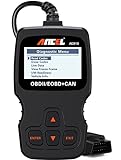
- CEL Doctor: The ANCEL AD310 is one of the best-selling OBD II scanners on the market and is recommended by Scotty Kilmer, a YouTuber and auto mechanic. It can easily determine the cause of the check engine light coming on. After repairing the vehicle's problems, it can quickly read and clear diagnostic trouble codes of emission system, read live data & hard memory data, view freeze frame, I/M monitor readiness and collect vehicle information
- Sturdy and Compact: Equipped with a 2.5 foot cable made of very thick, flexible insulation. It is important to have a sturdy scanner as it can easily fall to the ground when working in a car. The AD310 OBD2 scanner is a well-constructed mechanic tool with a sleek design. It weighs 12 ounces and measures 8.9 x 6.9 x 1.4 inches. Thanks to its compact design and light weight, transporting the device is not a problem. The buttons are clearly labelled and the screen is large and displays results clearly
- Accurate Fast and Easy to Use: The AD310 scanner can help you or your mechanic understand if your car is in good condition, provides exceptionally accurate and fast results, reads and clears engine trouble emission codes in seconds after you fixed the problem. This device will let you know immediately and fix the problem right away without any car knowledge. No need for batteries or a charger, get power directly from the OBDII Data Link Connector in your vehicle
- OBDII Protocols and Car Compatibility: Many cheap scan tools do not really support all OBD2 protocols. AD310 scanner as it can support all OBDII protocols such as KWP2000, J1850 VPW, ISO9141, J1850 PWM and CAN. This device also has extensive vehicle compatibility with 1996 US-based, 2000 EU-based and Asian cars, light trucks, SUVs, as well as newer OBD2 and CAN vehicles both domestic and foreign. Pls confirm with our customer service whether it is compatible with your vehicle before purchasing
- Home Necessity and Worthy to Own: This is an excellent code reader to travel or home with as it weighs less and it is compact in design. You can easily slide it in your backpack as you head to the garage, or put it on the dashboard, this will be a great fit for you. The AD310 is not only portable, but also accurate and fast in performance. Moreover, it covers various car brands and is suitable for people who just need a code reader to check their car
At a glance: the ten engines
| Engine family or generation | Induction and layout | Documented output or application | Best fit | Main ownership trade-off |
|---|---|---|---|---|
| GM/Buick 3800 Series II and III | Naturally aspirated or supercharged; single-cam V6 | Output varies by variant; broad GM deployment | Durability-focused used-car ownership | Age, vehicle condition, cooling history, and transmission condition matter greatly |
| GM 4.3L Vortec 4300 | Naturally aspirated; overhead-valve, small-block-derived V6 | Truck-oriented GM application; no single output figure used here | Work trucks and simple utility vehicles | Older fuel, ignition, cooling, oil-leak, and automatic-transmission systems need inspection |
| GM 4.3L EcoTec3 LV3/LV1 | Naturally aspirated; overhead-valve, direct-injected V6 | 285 hp and 305 lb-ft in the specified Silverado applications; GM’s 2021 LV1 specification sheet also lists 285 hp and 305 lb-ft | Modern full-size truck duty | Direct injection, Active Fuel Management, and variable valve timing add systems to service |
| GM 3.6L LGX | Naturally aspirated; DOHC, direct injection, variable valve timing | 321 hp and 275 lb-ft in the 2015 Cadillac ATS Coupe; Cadillac’s ATS Coupe specifications document the application | Refined sedan and crossover performance | More valvetrain and fuel-system complexity than pushrod engines |
| Cadillac 3.6L LF4 | Twin-turbocharged; direct-injected V6 | 464 hp and 445 lb-ft in the 2015 Cadillac ATS-V; GM’s 2015 ATS-V technical briefing documents the output | High-performance road and track use | Turbo, fuel, cooling, oil, and track-use service costs are high |
| Chrysler/Stellantis 3.6L Pentastar | Naturally aspirated; 60-degree V6 with variable valve timing and variable valve lift | 305 hp and 364 Nm in the 2023 Ram eTorque application; other calibrations differ | Broad SUV, truck, and everyday use | Year, application, oil-filter housing, cooling system, and calibration must be identified |
| Ford 3.5L EcoBoost | Twin-turbocharged and intercooled; aluminum 60-degree V6 | 400 hp and 500 lb-ft in the listed 2024 Ford F-150 application | Towing and high-torque truck use | Turbochargers, direct injection, heat, and high cylinder pressures raise service demands |
| Ford 2.7L EcoBoost | Twin-turbocharged and intercooled; overhead-cam 60-degree V6 | 325 hp and 400 lb-ft in the listed 2024 Ford F-150 application | Daily driving with strong truck torque | Exact generation and construction changes matter; turbo and direct-injection systems remain |
| Ford 3.7L Ti-VCT | Naturally aspirated; DOHC with twin independent variable cam timing | 303 hp and 278 lb-ft in the front-wheel-drive 2015 Lincoln MKT application | Predictable naturally aspirated Ford/Lincoln performance | Less low-rpm torque than the EcoBoost engines and vehicle-specific packaging concerns |
| Ford 3.0L Power Stroke | Turbocharged and intercooled diesel V6 | Compacted-graphite-iron block and aluminum heads in Ford F-150 technical specifications | Long-distance towing and diesel-oriented work | Emissions, fuel-system, diesel-oil, and repair costs can be substantial |
1. Is the GM 3800 Series II or Series III the durability benchmark?
The GM/Buick 3800 Series II and Series III are the best durability-first candidates in this group, provided the buyer evaluates the age of the vehicle rather than trusting the engine’s reputation alone. The 3800 used a mature single-cam architecture in naturally aspirated and supercharged forms and appeared across many GM applications.
Ward’s Auto described the historical significance of the family this way: “There must be something special about an engine whose basic design has been employed since 1962.” The 1996 Ward’s Auto engine-award coverage provides historical context for the 3800’s long-running design and recognition, but the award is not proof that every surviving engine is trouble-free.
The naturally aspirated versions are the simpler durability choice because they avoid the supercharger hardware used by other variants. The supercharged versions add performance and torque but also add an extra forced-induction system, so the exact Series II or Series III code and application matter.
The most important inspection areas on a used 3800 are coolant history, intake-manifold service, oil leaks, electrical accessories, and the transmission attached to the engine. On an old GM vehicle, rubber components, wiring, sensors, cooling-system parts, and the automatic transmission may determine ownership cost before the basic engine does.
The Tool Desk
Outbyte Driver Updater FREEFix the driver behind crashes, sound loss and screen glitchesFind Drivers →Outbyte PC Repair FREERepair Windows errors before they cause bigger problemsFix Now →2. Is the older GM 4.3L Vortec 4300 a good engine?
The older GM 4.3L Vortec 4300 is a good practical truck engine when the priority is conventional serviceability, parts availability, and useful low-speed work rather than maximum horsepower. General Motors describes the older 4.3L V6 as being based on the original small-block V8 architecture with two cylinders removed and identifies the engine as a popular choice in GM trucks.
The small-block relationship gives the 4.3L a familiar overhead-valve layout and a large service ecosystem. The architecture is straightforward compared with a modern twin-turbo, direct-injected V6, which can make diagnosis and routine mechanical work less intimidating. The 4.3L is best viewed as a workhorse, not as a high-specific-output performance engine.
Age is the central qualification. Inspect the fuel-injection system, ignition components, cooling system, oil leaks, exhaust, and automatic transmission. A truck that spent years towing, idling, or operating with a marginal cooling system deserves more caution than a lightly used example with consistent records.
3. What is different about the GM 4.3L EcoTec3 LV3 and LV1?
The GM 4.3L EcoTec3 LV3/LV1 is not the same engine as the older Vortec 4300. The later EcoTec3 is a 4,300-cc aluminum-block, overhead-valve V6 with direct injection, Active Fuel Management, and variable valve timing in the documented Silverado application.
Rank #2

- Multi-Functions - Practical Multi-Functions OBD2 code reader features built-in OBD2 DTC lookup library, which help you to determine the cause of the engine light, read code, erase code, view freeze frame, I/M ready, vehicle information, data flow, real-time curve, get vehicle speed information, calculate load value, engine coolant temperature, get engine speed.
- Wide Capability - Supports 9 protocols compatible with most 1996 US-Based, 2000 EU-Based and Asian cars, and newer OBD II & CAN domestic or import vehicles. Supports 6 languages - English,German, Dutch, Spanish, French, Italian.
- 2.8" LCD Display - Designed with a clear display 2.8" Large LCD screen - white backlight and contrast adjustment. No need any battery or charger, OBD reader gets the power directly from your vehicle through the OBDII Data Link Connector.
- Compact Design - Car diagnostic scanner is equipped with a 2.5 feet long cable and made of a very thick flexible insulator.There are 6 buttons on OBD2 Scanner:scroll up/down,enter/exit and buttons that quick query VIN vehicle number& the DTC fault code.
- ABS / Airbag codes NOT Supported - It is able to read and clear check engine information which is part of OBDII system, but it cannot work with non-OBDII systems, including ABS / Airbag / Oil Service Light, etc.
According to General Motors’ specification document for the 2016 Silverado, the LV3 produces 285 hp and 305 lb-ft in that application; the 2016 Chevrolet Silverado specifications tie those figures to the model and application. General Motors’ LV1 specification sheet likewise lists 285 hp and 305 lb-ft, along with hydraulic roller lifters, a forged-steel crankshaft, and a billet-steel camshaft.
The LV3/LV1 combines compact pushrod packaging with newer fuel and valve-control systems. The forged-steel crankshaft and truck application are useful construction and duty-cycle facts, but neither fact guarantees longevity. Direct injection, cylinder deactivation, emissions equipment, and model-year-specific calibration increase the number of systems that must be evaluated.
This engine makes the most sense for a buyer who wants a modern naturally aspirated truck V6 and accepts more electronic and emissions complexity than the older 4.3L. Scan for stored and pending codes, check oil pressure and cooling behavior, and verify that required maintenance was performed for the exact truck.
4. Is the naturally aspirated GM 3.6L LGX a good performance choice?
The GM 3.6L LGX is the balanced naturally aspirated performance choice in this list. The LGX uses dual overhead camshafts, direct injection, variable valve timing, and a modern High Feature V6 architecture, giving it stronger output and refinement than the older pushrod engines without the added turbocharger system of the LF4.
Quick wins for a faster PC:
Repair Windows errors before they cause bigger problemsFix Now →Fix the driver behind crashes, sound loss and screen glitchesFind Drivers →Clear out junk files and repair common Windows errorsFree Scan →According to General Motors and Cadillac’s 2015 ATS Coupe specifications, the LGX produces 321 hp and 275 lb-ft in the stated ATS Coupe application. The 2015 Cadillac ATS Coupe specification document attaches those figures to that vehicle and year; output and calibration can differ in other GM applications.
The LGX is a strong fit for a sports sedan or crossover buyer who wants linear naturally aspirated response and useful performance without turbocharger maintenance. The trade-off is a more complex DOHC valvetrain and direct-injection fuel system than the 3800 or older 4.3L. Service history, oil condition, cooling performance, and access around the engine should be considered before purchase.
5. Does the Cadillac LF4 twin-turbo V6 combine performance with durability?
The Cadillac LF4 demonstrates how high-output performance can be paired with durability-minded thermal and oil-control provisions, but the LF4 is not a low-cost or low-complexity engine. The LF4 is a 3.6L twin-turbocharged, direct-injected V6 developed for the Cadillac ATS-V.
According to General Motors’ 2015 Cadillac ATS-V technical briefing, the LF4 produces 464 hp and 445 lb-ft in the ATS-V application. The same GM ATS-V technical briefing identifies a 7-quart sump and an integrated oil cooler among the application’s powertrain provisions.
Free tools Windows power users keep installed
One-click scans. No signup required.
Rank #3
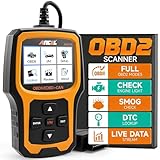
- Understand Your Check Engine Light – The ANCEL AD410 OBD2 scanner helps everyday drivers quickly read and clear engine-related fault codes, view code definitions, and understand why the check engine light is on before visiting a repair shop. With 42,000+ built-in DTC lookups, this car code reader helps reduce guesswork and makes basic vehicle diagnostics easier for beginners and DIY users
- Full OBD2 Diagnostics Made Simple – More than a basic engine code reader, this OBD2 scanner diagnostic tool supports key OBDII functions including reading/clearing codes, live data, freeze frame, I/M readiness, O2 sensor test, EVAP test, vehicle information, and MIL status. It helps you check your car’s condition, verify repairs after the issue is fixed, and communicate with mechanics more confidently
- Live Date & Real-time Vehicle Insights – View real-time engine data such as RPM, coolant temperature, fuel trim, oxygen sensor readings, and other available OBD2 parameters directly on the screen. These live data readings help you better understand how your vehicle is running, spot abnormal patterns, and make more informed repair decisions instead of relying only on a warning light
- Smog Check Readiness At A Glance – Use the I/M readiness function before a smog check or emissions inspection to see whether your vehicle’s monitors are ready. This OBD2 code scanner helps you confirm if recent repairs have brought the system back to a ready state, reducing the chance of failed inspections, retests, wasted trips, and unnecessary inspection fees
- Works With Most OBD2 Vehicles – Compatible with most 1996 and newer U.S.-based OBD2 cars, SUVs, and light trucks, as well as many 2000 and newer EU/Asian OBD2 vehicles. Supports major OBDII protocols including CAN, ISO9141, KWP2000, J1850 VPW, and J1850 PWM. This automotive diagnostic scanner is designed for wide vehicle coverage; please check compatibility with your vehicle before purchase
The 7-quart sump and integrated oil cooler are relevant evidence because oil temperature and oil control matter when an engine is driven hard. The twin turbochargers, direct injection, premium-fuel requirement, and track-use maintenance demands are equally relevant. Track capability does not mean inexpensive ownership, and a car that has seen repeated track use needs more detailed inspection than an ordinary commuter.
An LF4 buyer should verify oil and cooling-system service, look for turbo noise or smoke, inspect for leaks, review warning-light history, and obtain a professional inspection that considers the engine, transmission, cooling system, brakes, and differential together.
6. Is the 3.6L Pentastar reliable?
The Chrysler/Stellantis 3.6L Pentastar is a credible modern all-rounder because broad deployment, useful output, aluminum construction, variable valve timing, and variable valve lift give it a wide range of truck, SUV, and everyday applications. The 3.6L Pentastar is a family of calibrations and generations, not one identical engine in every Jeep, Ram, Dodge, or Chrysler vehicle.
Stellantis describes the architecture as a 60-degree V6 with aluminum construction, variable valve timing, and variable valve lift. According to Stellantis’ 2023 Ram eTorque release, the Pentastar produces 305 hp and 364 Nm in that specified Ram 1500 application. The 2023 Stellantis Ram release also calls it an “award-winning 3.6-liter Pentastar V-6 engine,” which is a manufacturer characterization rather than independent proof of durability.
The Pentastar can be a sensible used SUV or truck choice when the records are complete and the exact generation is known. Buyers should pay particular attention to oil leaks, cooling-system condition, the oil-filter housing arrangement, service access, and calibration-specific maintenance. Vehicle packaging can make a routine repair inexpensive on one application and labor-intensive on another.
The right conclusion is qualified: the Pentastar is often a good compromise between modern efficiency, broad parts support, and useful performance, but the name alone is not enough to approve a used vehicle.
7. Which Ford EcoBoost V6 should a truck buyer choose?
The Ford 3.5L EcoBoost is the stronger choice for maximum documented torque and heavier towing-oriented performance, while the Ford 2.7L EcoBoost is attractive for buyers who want strong everyday torque from a smaller-displacement engine. Both engines require generation-specific scrutiny because turbocharging and direct injection add heat, hardware, and maintenance considerations.
Ford 3.5L EcoBoost
The 3.5L EcoBoost is a twin-turbocharged, intercooled 60-degree V6 with an aluminum block and aluminum heads in the 2024 F-150 specification. According to Ford’s 2024 F-150 technical specifications, the listed 2024 F-150 configuration produces 400 hp and 500 lb-ft. Ford’s 2024 F-150 technical specification document ties those figures to that model year and application.
Rank #4
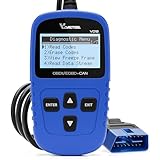
- 【A MUST-HAVE SCANNER TOOL FOR DIYERS】 - VDIAGTOOL VD10 car code reader is an incredibly useful, handheld obd2 scanner for each car owner or hobbyist, even for those with little to no experience when it comes to vehicle mechanics! Similar to a fixd car diagnostic tool, using this car diagnostic scanner is extremely easy. All you have to do is attach it to your car OBDII port and you can diagnose car problems in seconds! Read Codes (DTCs); Clear Codes; Live Data; View Freeze Frame; I/M Readiness; Vehicle Information.
- 【KEEP ENGINE IN GOOD STATUS】 - VDIAGTOOL check engine code reader brings a fast access to scan, read the car fault code, show its definition on the screen instantly, troubleshooting to find the root causes of problems, erase the engine fault code and turn off the MIL (Malfunction Indicator Light). Similar to a fixd car diagnostic tool, this car code reader helps ensure your engine stays in top condition.
- 【READ/CLEAR CODES & DTC LOOKUP】- No search online & saving your time, this vehicle car code reader retrieves generic (P0, P2, P3, and U0), manufacturer specific (P1, P3, and U1) codes, pending codes and displays DTC definitions based on the built-in database(more than 3000 codes) on the TFT screen, find out the root causes and clear the codes after fixed.
- 【ENHANCED OBD2 SCANNER WITH LIVE DATA & RETRIEVE FREEZE FRAME】 - This diagnostic scan tool for accurate diagnosis enables you to retrieve data from vehicle sensors, such as Engine RPM, Intake air temperature, Short/Long term fuel, Misfire data and etc. The freeze frame is stored in the PCM together with the diagnostic trouble code (DTC) related to the fault. Comparable to a fixd car diagnostic tool, the VD10 car code reader car scanner can be a valuable & practical diagnostic aid and also greatly help when diagnosing intermittent problems.
- 【I/M READINESS for THE S-nn-0-g CHECK】- OBDII vehicle may not pass the annual inspection unless the required monitors since reset are complete. So you should at least read the readiness monitors and make sure they are ready. This car obd2 scanner diagnostic tool is equipped with I/M readiness function to check the operations of the e-m-issi0n system on OBD2 compliant vehicles, run I/M monitor readiness test, checking if the pass vehicle s-m-0-g inspection.
The 3.5L’s performance case comes from torque density and towing capability, not from mechanical simplicity. Turbochargers, direct fuel injection, higher cylinder pressures, oil quality, charge-air cooling, and engine cooling all matter. A 3.5L EcoBoost that has towed regularly is not automatically a bad buy, but it needs evidence of correct service and a careful inspection of the complete truck.
Ford 2.7L EcoBoost
The 2.7L EcoBoost is a twin-turbocharged, intercooled, overhead-cam 60-degree V6 that offers strong truck performance with less displacement than the 3.5L. According to Ford’s 2024 F-150 technical specifications, the listed 2024 F-150 application produces 325 hp and 400 lb-ft.
The smaller EcoBoost is a good match for commuting, light-to-moderate towing, and drivers who want responsive torque without choosing the larger 3.5L. Construction details and material changes should be tied to the exact generation rather than generalized across every 2.7L EcoBoost. Turbochargers, direct injection, cooling, and oil quality remain central ownership concerns.
For a used purchase, choose the EcoBoost with the better records and inspection result rather than choosing solely by displacement. A well-maintained 2.7L can be the smarter ownership decision than a neglected 3.5L, while a buyer with demanding towing needs may reasonably prefer the 3.5L’s documented torque in the specified application.
What’s actually slowing this PC down?
Pick the symptom - the matching free tool is one click away.
8. Is the Ford 3.7L Ti-VCT a simpler Ford V6?
The Ford 3.7L Ti-VCT is the naturally aspirated Ford/Lincoln alternative to the EcoBoost engines, offering useful output with a more predictable torque delivery and no turbocharger system. The engine uses a DOHC layout with twin independent variable cam timing in the relevant Ford/Lincoln applications.
According to the Lincoln Media Center’s 2015 MKT product card, the front-wheel-drive 2015 Lincoln MKT application produces 303 hp and 278 lb-ft. The 2015 Lincoln MKT product card attaches those figures to the front-wheel-drive configuration, so the numbers should not be transferred to every 3.7L-powered vehicle.
The 3.7L appeals to buyers who prioritize naturally aspirated response and fewer forced-induction components over maximum low-rpm torque. The DOHC valvetrain and variable cam timing still require correct oil service, and vehicle-specific packaging, cooling, transmission condition, and maintenance access remain important. The 3.7L is not universally trouble-free; it is simply a different complexity trade-off from the EcoBoost family.
Independent reader supportYour contribution helps us test, update, and keep practical guides available for everyone.9. Is the Ford 3.0L Power Stroke a durable V6 choice?
The Ford 3.0L Power Stroke is a specialized durability-and-towing choice rather than the simplest V6 to own. The diesel uses a turbocharged and intercooled configuration, a compacted-graphite-iron block, and aluminum heads in Ford’s F-150 technical specifications.
Best Value

- 【Diagnose Check Engine Light in Seconds – No Mechanic Needed】The FOXWELL NT301 OBD2 scanner instantly reads & clears engine fault codes (DTCs) with one click. Simply plug into the 16-pin DLC port, turn ignition on, and get accurate results within seconds—No prior car knowledge required. Save hundreds on dealership fees by knowing exactly what’s wrong before you visit a shop. The #1 choice car scanner for DIYers and car owners who want to take control of their vehicle’s health
- 【Clear & Reset CEL with Confidence】Unlike cheap code readers that just erase codes temporarily, NT301 works like all professional vehicle code readers: It clears the check engine light only after you’ve fixed the underlying issue. If the problem isn’t fully repaired, the fault code will reappear. So you’ll never get a false pass. Use the foxwell scanner to verify your repair work and drive with peace of mind
- 【Sm-og Check Helper – Know Your Pass/Fail Status Before the Test】With dedicated one-click I/M readiness hotkeys and a simple Red-Yellow-Green LED indicator, you’ll instantly know if your vehicle is ready for annual testing. Built-in speaker provides clear audio feedback. No guesswork—just confidence before you head to the test center. One less thing to worry about when inspection day comes
- 【Advanced OBDII Modes – O- 2 Sensor & EVAP Testing】NT301 go beyond basic code reading with enhanced OBD2 modes. Run an EVAP system check to assess fuel tank condition, and use the O- 2 sensor test to optimize air-fuel ratio, boosting fuel economy, cutting em- issions, and saving you money at the pump. The code reader for cars and trucks is like having a mini em-issions lab in your glove box
- 【Live Data Graphing – Spot Engine Issues in Real Time】View and log live sensor data in easy-to-read graphs with this OBD2 scanner diagnostic tool. Monitor ox- ygen sensors, fuel trims, coolant temperature, RPM, and more to spot suspicious values instantly. This obd scanner gives you professional-grade insight without the pro price tag—a feature you won’t find on basic $20 car code readers
The compacted-graphite-iron block is a relevant construction detail for a diesel designed for substantial cylinder pressure, and diesel torque suits long-distance work and towing. Ford’s F-150 technical specifications identify the engine’s turbocharged diesel layout and block-and-head materials, but the supplied research does not establish a cross-model failure-rate ranking or guaranteed lifespan.
Diesel ownership introduces additional systems and expenses, including emissions hardware, fuel-system sensitivity, diesel-specific oil requirements, and potentially expensive repairs. The 3.0L Power Stroke makes the most sense when the vehicle’s use justifies a diesel and the buyer has verified service records, correct fuel-system care, emissions-system condition, and the availability of qualified service.
How do naturally aspirated, turbocharged, and diesel V6 engines compare?
| Induction type | Examples from this list | Advantages | What requires extra scrutiny | Most suitable use |
|---|---|---|---|---|
| Naturally aspirated, older architecture | GM 3800; older GM 4.3L Vortec 4300 | Fewer forced-induction components and conventional mechanical layouts | Age-related cooling, oil, electrical, fuel, and transmission condition | Simple commuting, utility use, and durability-first ownership |
| Naturally aspirated, modern architecture | GM LV3/LV1; GM LGX; Chrysler 3.6L Pentastar; Ford 3.7L Ti-VCT | Modern output and efficiency without turbochargers | Direct injection, variable valve systems, cylinder deactivation, packaging, and electronics vary by engine | Daily driving, SUVs, crossovers, and moderate truck duty |
| Gasoline turbocharged | Cadillac LF4; Ford 3.5L EcoBoost; Ford 2.7L EcoBoost | High torque and horsepower from relatively compact displacement | Turbocharger condition, oil quality, heat management, direct injection, and high cylinder pressures | Towing, fast road driving, and performance applications |
| Turbocharged diesel | Ford 3.0L Power Stroke | Diesel-oriented torque and a compacted-graphite-iron block in the documented application | Fuel quality, emissions equipment, diesel oil, specialized service, and repair cost | Long-distance towing and buyers whose use justifies diesel complexity |
Naturally aspirated engines generally have fewer turbocharging components, but naturally aspirated does not mean maintenance-free. Turbocharged engines can deliver more performance from less displacement, but the additional heat and hardware make oil, cooling, calibration, and service history more consequential.
What should you check before buying a used V6 vehicle?
The vehicle inspection is more important than the engine’s reputation. Confirm the exact engine code and model year first, because names such as 4.3L, 3.6L, and EcoBoost cover materially different generations and applications.
- Confirm the engine identity. Match the VIN, build information, engine code, model year, drivetrain, and factory calibration. Do not assume that two vehicles with the same displacement share the same fuel system, valvetrain, output, or service requirements.
- Obtain maintenance records. Look for documented oil-change intervals, correct oil specification, cooling-system work, spark-plug service, turbo-related work where applicable, and diesel emissions or fuel-system service where applicable.
- Scan for codes. Use an OBD2 scanner to check stored and pending diagnostic trouble codes and basic live data. A clean scan does not prove durability because codes can be cleared and an electronic scan cannot replace a mechanical inspection.
- Inspect for leaks and overheating. Check the engine, turbocharger plumbing, valve covers, oil-filter housing, coolant reservoir, radiator, hoses, and underbody for oil or coolant loss. Look for stains, dried coolant, overheating evidence, or an unexplained low coolant level.
- Listen and observe during a cold start. Note timing noise, abnormal valvetrain sounds, turbo noise, smoke, rough running, warning lights, and extended cranking. A fully warm engine presented for inspection can conceal cold-start behavior.
- Evaluate the complete drivetrain. Inspect the transmission, transfer case, driveshafts, differentials, and four-wheel-drive system separately. A durable engine does not make a neglected transmission or drivetrain reliable.
- Verify recalls and service information by VIN. Use appropriate official or professional sources to check recall completion, service-bulletin relevance, parts availability, and application-specific procedures.
- Use vehicle-specific repair information. A vehicle-specific repair manual is more useful than a generic V6 guide for torque specifications, fluid requirements, wiring information, and engine-specific procedures. Match the manual to the vehicle year, make, model, drivetrain, and engine code.
- Pay for deeper testing when the price warrants it. A qualified technician can perform compression, leak-down, cooling-system, or borescope testing. The cost of a pre-purchase inspection is easier to justify on a turbocharged, diesel, high-performance, or unusually expensive vehicle.
Which engine is best for each type of buyer?
| Buyer priority | Most defensible candidates | Why | What could change the decision |
|---|---|---|---|
| Maximum simplicity in an older used vehicle | GM 3800 naturally aspirated; older GM 4.3L Vortec 4300 | Both use mature architectures with fewer forced-induction components than modern turbocharged engines | Vehicle age, rust, cooling history, transmission condition, and parts condition |
| Modern naturally aspirated truck use | GM 4.3L EcoTec3 LV3/LV1 | Pushrod packaging, direct injection, variable valve timing, and documented 285-hp/305-lb-ft Silverado output | Active Fuel Management, emissions systems, electronic controls, and exact model year |
| Refined naturally aspirated road performance | GM 3.6L LGX; Ford 3.7L Ti-VCT | Both provide useful output without turbochargers; the LGX is more performance-oriented in the cited ATS Coupe application | DOHC service access, direct injection on the LGX, vehicle packaging, and transmission condition |
| High-torque gasoline towing | Ford 3.5L EcoBoost | The listed 2024 F-150 application produces 400 hp and 500 lb-ft | Turbocharger history, oil and cooling maintenance, towing use, and generation |
| Smaller turbocharged truck engine | Ford 2.7L EcoBoost | The listed 2024 F-150 application produces 325 hp and 400 lb-ft with less displacement than the 3.5L | Exact generation, construction details, towing demand, and service history |
| High-performance driving | Cadillac LF4 | The 2015 ATS-V application combines 464 hp and 445 lb-ft with a 7-quart sump and integrated oil cooler | Track use, premium-fuel cost, turbo condition, cooling, and repair budget |
| Diesel-specific long-distance work | Ford 3.0L Power Stroke | Turbocharged diesel torque and compacted-graphite-iron block suit its intended use | Emissions hardware, fuel quality, diesel maintenance, and specialized repair costs |
Final verdict
For the longest-standing durability reputation, the GM 3800 Series II or Series III is the clearest historical choice, with the older GM 4.3L Vortec 4300 close behind as a practical truck workhorse. Those choices are strongest when simplicity and mature architecture matter more than new-vehicle refinement.
For a modern balance of output and utility, the Chrysler 3.6L Pentastar, GM 3.6L LGX, Ford 3.7L Ti-VCT, and GM 4.3L EcoTec3 each make sense in the right application. For towing or performance, the Ford EcoBoost engines and Cadillac LF4 deliver more torque or horsepower, but their turbocharging, heat, fuel systems, and service requirements make inspection quality more important. The Ford 3.0L Power Stroke is a specialized diesel choice, not a universal answer.
Frequently Asked Questions
Which American V6 engine lasts the longest?
The GM 3800 Series II and Series III are the strongest durability-first candidates in this comparison because their mature single-cam architecture has a long production history. A well-maintained example is still essential because most surviving vehicles are old and may have cooling, electrical, intake-manifold, oil-leak, or transmission issues.
Is the GM 4.3 V6 a good engine?
Yes, the GM 4.3L Vortec 4300 is a good practical truck engine when conventional serviceability and parts access matter more than maximum performance. Buyers should inspect the fuel injection, ignition, cooling system, oil leaks, and automatic transmission because the age of the vehicle is a major ownership factor.
Recommended Free Tools
Is the 3.6 Pentastar reliable?
The 3.6L Pentastar can be a good modern all-rounder, but reliability depends on the exact generation, application, calibration, maintenance history, cooling system, and oil-filter housing arrangement. The Pentastar name does not describe one identical engine in every Jeep, Ram, Dodge, or Chrysler vehicle.
Which EcoBoost V6 should I buy?
Choose the Ford 3.5L EcoBoost when maximum documented torque and towing performance are priorities, and consider the 2.7L EcoBoost when strong everyday torque from a smaller-displacement engine is more useful. For either engine, turbocharger condition, oil and cooling maintenance, direct-injection systems, exact generation, and prior towing use matter more than displacement alone.
The Bottom Line
Bottom line: The GM 3800 and older GM 4.3L are the best simplicity-led durability picks, while the Ford EcoBoost, GM LF4, Pentastar, LGX, and Power Stroke offer newer or stronger performance with more application-specific complexity. Choose the exact engine code and model year only after checking maintenance records, codes, cooling, leaks, drivetrain condition, and professional inspection results.
Quick Recap
Product prices and availability are accurate as of the date/time indicated and are subject to change. Any price and availability information displayed on Amazon at the time of purchase will apply.




