Car slang is informal, context-dependent language for vehicles, modifications, driving behavior, mechanical parts, and buying terminology. If someone calls a car a whip, they usually mean a stylish or desirable vehicle; a beater is an old, rough car that still gets the job done; a sleeper looks ordinary but performs unusually well; and a slushbox is an informal name for an automatic transmission. The same term can sound affectionate, dismissive, technical, regional, or offensive depending on who is using it.
This guide groups the most common car slang by meaning, explains what drivers generally mean, and separates enthusiast shorthand from terms that have financial, legal, insurance, or safety consequences.


What is car slang?
Car slang is the informal vocabulary used by drivers, mechanics, racers, collectors, dealerships, online communities, and local automotive scenes. It is not one standardized dictionary. A term may be a casual synonym for a car, a description of its condition, shorthand for a mechanical behavior, or a label that signals membership in a particular scene such as hot rodding, drag racing, tuner culture, truck culture, or dealership culture.
That is why definitions sometimes overlap. A person may call an old car a jalopy, beater, hooptie, or rust bucket, with the choice revealing more about tone and community than about a precise mechanical condition. Enthusiasts also use words such as built, clean, and mint without agreeing on a measurable standard.
Free tools Windows power users keep installed
One-click scans. No signup required.
#1 Best Overall
Formal automotive glossaries are useful for engineering and buyer terminology, but enthusiast slang keeps changing through clubs, forums, social media, regional communities, and new vehicle technology. Treat every slang label as a clue, not as proof of a car’s condition, performance, safety, legality, or value.
Quick-reference guide to common car slang
| Term | What it usually means | Important context |
|---|---|---|
| Ride | An informal word for a car or vehicle. | Broad, common, and generally neutral. |
| Wheels | A casual metonym for a car. | Nice wheels usually means nice car, not merely nice wheel rims. |
| Whip | A contemporary informal word for a car, often a stylish or desirable one. | More culture-specific and identity-oriented than ride. |
| Jalopy | An old or poorly maintained car. | Historical and often humorous in tone. |
| Beater | An old, heavily used, visibly rough but drivable car. | A winter beater is deliberately used through harsh weather to protect a more valuable vehicle. |
| Hooptie or hoopty | A battered, unreliable, or low-value car. | Spelling and tone vary by region and community. |
| Clunker, bucket, bomb, rust bucket | Overlapping labels for a rough or undesirable car. | Can be affectionate self-deprecation or open contempt. |
| Lemon | A vehicle with serious defects or repeated problems. | Colloquial use is not the same as a legal lemon-law determination. |
| Sleeper | A car that looks stock or ordinary but has unexpectedly strong performance. | The basic idea is all go and no show. |
| Slushbox | Slang for an automatic transmission. | Usually playful or mildly dismissive; it does not mean every automatic is slow or unsophisticated. |
| Push | Understeer: the car turns less than intended and runs wide. | Most often used when discussing handling near the limit. |
| Loose | Oversteer: the rear loses grip relative to the front and the car rotates more than intended. | Context determines whether the speaker means controllable behavior or a dangerous loss of control. |
| Boosted | Equipped with a turbocharger or supercharger. | It says nothing by itself about the quality, reliability, or power of the installation. |
| OEM-plus or OEM+ | A factory-looking build using original-equipment-style upgrades. | Enthusiast vocabulary, not a formal regulatory category. |
| Stanced, hellaflush, slammed | Terms for lowered suspension and aggressive wheel fitment or visual stance. | Definitions vary, and appearance does not establish road legality or mechanical quality. |
What car people mean when they say these words
Ride
Ride is one of the safest general-purpose slang terms for a car. Someone saying, “That is a nice ride,” is usually complimenting the vehicle as a whole. It may refer to a commuter car, truck, luxury vehicle, or modified project. It does not necessarily imply speed, expense, or a particular body style.
Wheels
Wheels uses one visible part of a vehicle to refer to the entire vehicle. In the sentence, “She just got new wheels,” the speaker normally means she acquired a car, not that she bought four replacement wheels. In a different conversation about fitment, brakes, or tire sizes, wheels may mean the actual components. Context matters.
Whip
Whip is a more contemporary and social term for a car. It often carries a suggestion that the vehicle is stylish, desirable, customized, or part of its owner’s image. A driver may call an ordinary daily car a whip, but the word generally has more attitude than ride. It is informal and varies significantly among age groups and communities.
Beater and winter beater
A beater is usually an old, visibly worn car that remains useful enough to drive. The label often acknowledges dents, faded paint, rust, mismatched body panels, or cosmetic neglect without necessarily meaning the car is undriveable. A beater can be mechanically dependable, so the word describes its appearance, age, value, or role more reliably than its actual safety.
A winter beater is a low-value vehicle used during snow, ice, road salt, and other harsh conditions. Owners may keep a newer or collectible vehicle out of corrosive winter weather by using the beater instead. The term is practical rather than technical: a winter beater still needs working brakes, tires, lights, defrosters, and other safety equipment.
Jalopy, hooptie, clunker, bucket, bomb, and rust bucket
These terms all point toward an old, rough, cheap, neglected, or troublesome car, but their emotional tone differs.
- Jalopy sounds old-fashioned and humorous.
- Hooptie or hoopty is contemporary informal language for a battered or unreliable vehicle, with inconsistent spelling.
- Clunker often suggests a car that is old, poor-performing, or not worth much.
- Bucket can be a casual term for an undesirable old car.
- Rust bucket emphasizes corrosion and deteriorated bodywork.
- Bomb can refer to a very old or rough car, but it may sound dismissive and can have other meanings outside automotive conversation.
- Shitbox is a vulgar, emphatic term for a poor-quality or rough car. Enthusiasts sometimes use it affectionately for their own project, but it is unsuitable for most professional or general-audience writing.
None of these labels tells you whether the engine, frame, airbags, tires, or brakes are safe. Inspect the vehicle and review its maintenance history instead.
PC Slower Than It Used to Be?
A free scan shows the junk files, broken settings and background clutter dragging Windows down - then fixes them in one click.Free scan · Windows 10 & 11Crashes, No Sound, or Screen Glitches?
Random freezes, missing sound and display glitches usually trace back to one bad driver. Find and replace yours safely.Free scan · under a minuteLemon
In everyday conversation, a lemon is a vehicle that has serious defects, repeated failures, or an unusually bad ownership history. The term becomes more specific when used in a legal or consumer-protection context. Lemon laws differ by jurisdiction and may impose requirements involving the number of repair attempts, time out of service, notice, warranty coverage, vehicle type, and eligibility period.
Calling a car a lemon in a review or conversation does not establish that it legally qualifies as one. If the question involves a purchase dispute, warranty claim, title history, or statutory remedy, use the applicable law and documentation rather than slang.
Performance and appearance slang
Sleeper
A sleeper is a car whose performance is substantially stronger than its appearance suggests. It may look stock, understated, or even neglected while hiding a powerful engine, drivetrain, or carefully engineered modification. The defining contrast is between appearance and capability.
A sleeper does not have a required horsepower figure, engine type, body style, or modification list. A quiet-looking compact with a highly modified engine can be a sleeper, as can a factory performance model that does not advertise its ability. The word also does not prove that the car is reliable, safe, street-legal, or faster in every situation than the cars around it.
The Tool Desk
Outbyte PC Repair FREERepair Windows errors before they cause bigger problemsFix Now →Outbyte Driver Updater FREEScan for outdated or missing drivers - takes under a minuteDriver Scan →Muscle car, pony car, pocket rocket, and rocket
These labels describe related but different performance ideas:
- Muscle car traditionally refers to a category of American performance cars associated with powerful engines, rear-wheel drive, and a particular history of affordable straight-line performance. It should not be used as a synonym for every fast vehicle.
- Pony car generally refers to a smaller, sportier, more affordable performance coupe category associated with cars such as the Ford Mustang and its competitors. The exact boundaries are debated, especially as body styles and powertrains change.
- Pocket rocket usually means a small, lively, quick car. It is a descriptive nickname, not a technical class.
- Rocket is an even broader informal description for a fast or powerful vehicle. It has no precise performance threshold.
OEM-plus or OEM+
OEM-plus describes a build that keeps a factory-like appearance while improving equipment, handling, braking, comfort, or performance with original-equipment or original-equipment-style parts. The goal is often to make the car feel like a better factory version of itself rather than an obviously customized vehicle.
Because OEM-plus is enthusiast vocabulary, two owners may disagree about whether a modification still fits the label. It also does not guarantee that parts are genuinely made by the original manufacturer. Ask which components were installed, who made them, and whether the work was documented.
Stanced, hellaflush, and slammed
Stanced generally describes a vehicle arranged for an aggressive visual stance, often involving a low ride height, unusual camber, and carefully positioned wheels. Hellaflush is associated with wheels fitted very close to the fenders and a lowered, visually flush setup. Slammed usually means lowered substantially, sometimes to the point that ground clearance and suspension travel are heavily compromised.
Recommended Free Tools
These terms describe appearance and subculture more reliably than engineering quality. A car can look stanced and still be well engineered, or it can have unsafe tire clearance, poor handling, excessive wear, and inadequate ground clearance. Modification legality varies by location, so visual style is not evidence of compliance.
Rat rod
Rat rod is a contested hot-rod label with more than one historical and contemporary meaning. In modern enthusiast usage, it often describes a deliberately rough, theatrical, sometimes post-apocalyptic-looking hot rod built around weathered finishes, visible fabrication, and an intentionally unfinished appearance.
Older usage could be closer to a functional but unfinished vehicle assembled from decrepit or mismatched parts. Not every car with patina, rusty paint, or a rough exterior is a rat rod. When the distinction matters, describe the actual features: the chassis, bodywork, drivetrain, finish, fabrication, and safety equipment.
Rice, ricer, and rice rocket
For general writing, use alternatives such as heavily styled import, show-focused build, or modified Japanese car, depending on what you actually mean. If the criticism is about appearance or function, state that directly: excessive exterior styling, nonfunctional aero parts, a show build, or a poorly executed modification.
Driving and handling slang
Push
When a driver says a car pushes, they usually mean understeer. The front tires are not following the intended steering path closely enough, so the vehicle tends to run wide in a turn. This is a real handling behavior, but the slang does not tell you why it happened. Possible causes can involve speed, tire condition, tire loading, suspension setup, road surface, or driver input.
Example: “The car pushes toward the outside of the corner when I enter too quickly.” That sentence describes a handling symptom, not a complete diagnosis.
Loose
A car that feels loose is generally oversteering: the rear tires lose grip relative to the front and the vehicle rotates more than the driver intended. A racing driver might use the word to describe a manageable setup preference, while a road driver may mean an unexpected and dangerous loss of rear traction.
Example: “The rear feels loose under throttle.” That should prompt questions about tires, road conditions, alignment, suspension, power delivery, and driving conditions rather than an assumption that the car is intentionally tuned for drifting.
Wheel hop
Wheel hop is a rapid cycle of traction loss and recovery that can make the driven wheels or axle shake, shudder, or hop during hard acceleration. It is informal language for a genuine mechanical and dynamic behavior. Depending on the vehicle, contributing factors can include tire grip, suspension movement, bushings, drivetrain components, and the road surface.
Wheel hop is not the same as ordinary wheelspin. It can place severe loads on axles, differentials, driveshafts, mounts, and other components. If it occurs during normal driving, have the vehicle inspected rather than treating it as a harmless performance feature.
Break the tires loose, spin, and blow the tires off
These expressions generally mean the driven tires have lost traction under acceleration. Break the tires loose and spin can describe a brief loss of grip, while blow the tires off is colorful slang for substantial wheelspin, often in a high-power-car context.
Quick wins for a faster PC:
Scan for outdated or missing drivers - takes under a minuteDriver Scan →Clear out junk files and repair common Windows errorsFree Scan →Rank #3
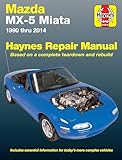
- Step-by-step procedures written from a complete teardown and rebuild, giving you the confidence to tackle repairs at any skill level.
- Over 700+ clear photos and diagrams that simplify complex systems, helping you complete jobs faster and with fewer mistakes.
- Comprehensive troubleshooting and fault-finding guides to quickly diagnose problems and reduce costly downtime.
In Takuache truck culture and related regional communities, si quema is used to indicate that a pickup can perform a burnout or break its rear tires loose. The phrase is scene-specific and should not be treated as a universal automotive term.
Do a donut
To do a donut means to repeatedly circle a tight area while intentionally causing the driven tires to lose traction. It is a maneuver, not simply a synonym for turning sharply. Donuts can endanger bystanders and damage tires, driveline components, and nearby property; they may also violate traffic, noise, property, or reckless-driving laws. Never interpret the phrase as ordinary road-driving advice or attempt it on a public road.
Mechanical and drivetrain slang
Slushbox
Slushbox is playful or mildly dismissive slang for an automatic transmission. The word comes from an older view of automatic gear changes as soft or imprecise compared with a manual gearbox. It should not be read as an engineering assessment. Modern automatics can use sophisticated control software, multiple gear ratios, dual-clutch systems, or other designs that shift quickly and efficiently.
Stick and three-pedal car
Stick usually means a manual transmission, as in “I prefer a stick.” In older-car conversations, three on the tree refers to a three-speed manual transmission with its shifter mounted on the steering column.
A three-pedal car is enthusiast shorthand for a manual-transmission vehicle because the driver operates a clutch, brake, and accelerator. The phrase is useful when distinguishing a manual from a two-pedal automatic, but it does not identify the number of gears or the transmission’s condition.
Cage
A cage can mean a roll cage or related protective structure in a race car. In street-car discussions, people may use the word loosely for a roll bar, partial cage, or complete cage. Those are not interchangeable from a safety or regulatory standpoint.
A properly designed and installed cage is part of a larger motorsport safety system. An improvised structure can create additional occupant hazards, especially if occupants can strike unpadded tubing while using ordinary road equipment. Ask what structure is installed, how it was engineered, and what rules or standards it was built to meet.
Cammed
A car described as cammed has usually received a different camshaft or camshaft profile. The modification can affect valve timing, power delivery, idle quality, emissions behavior, drivability, and tuning requirements. The term alone does not tell you the cam’s specifications or whether the work was done well.
Boosted
Boosted generally means the engine uses forced induction from a turbocharger or supercharger. Boost pressure is only one part of the result. The engine’s calibration, fuel system, cooling, internal components, intercooling, transmission, and maintenance all affect reliability and performance.
Built
Built is one of the least precise performance terms. A seller may mean a rebuilt engine, upgraded internals, a modified transmission, a prepared chassis, or simply a car with aftermarket parts. Ask for a component list, receipts, dates, machine-shop information, tuning records, and maintenance history. Without those details, built is a claim, not a specification.
Tuned
Tuned can refer to engine-computer calibration, suspension adjustment, wheel alignment, audio equipment, or a vehicle modified generally. In a performance conversation, it often means the engine control software was changed, but the word is too broad to establish what changed or whether the calibration is safe.
Car slang in buying, dealership, and ownership conversations
Car shoppers encounter a second vocabulary sometimes called dealer-speak. Several of these terms are not slang in the strict linguistic sense. They are abbreviations or industry terms that people use casually, even though they can carry contractual, financial, insurance, or legal consequences.
What’s actually slowing this PC down?
Pick the symptom - the matching free tool is one click away.
| Term | Meaning to verify | Why it matters |
|---|---|---|
| APR | Annual percentage rate on a loan or other credit agreement. | Compare the rate, amount financed, term, total interest, and total amount paid—not only the monthly payment. |
| Residual value | The projected value of a leased vehicle at the end of the lease. | It helps determine lease payments and is not a guaranteed prediction of what the vehicle will be worth on the open market. |
| Walk-away lease | Informal language for a lease marketed as allowing the customer to return the vehicle at the end rather than buy it. | Read mileage, wear, disposition, taxes, early-termination, and return conditions in the contract. The phrase is not a universal legal category. |
| Add-on | An extra product, service, accessory, protection plan, or fee added to a deal. | Ask whether it is optional, what it costs, whether it is already installed, and whether it can be removed. |
| Market adjustment | A dealer-added amount above an advertised price or manufacturer’s suggested retail price. | It should be itemized and evaluated separately from taxes, registration, destination charges, and other legitimate fees. |
| OEM | Original equipment manufacturer; in parts discussions, it usually means an original-manufacturer or factory-equivalent component. | Clarify whether the part is genuinely made by the vehicle manufacturer, made by an original supplier, or merely described as equivalent. |
| Aftermarket | A part or accessory made outside the vehicle’s original manufacturer supply chain. | Quality, fitment, warranty, certification, and compatibility vary by product. |
| CPO | Certified pre-owned. | Certification programs differ by manufacturer, dealer, market, inspection process, warranty, and eligibility rules. |
| Salvage title | A title designation associated with a vehicle that has met the applicable jurisdiction’s criteria for significant damage or loss. | Title branding can affect financing, insurance, resale, registration, and inspection. Check the rules where the vehicle is titled. |
When a seller uses a casual label such as clean, mint, or fully loaded, ask for measurable details. Clean might mean clean title, clean interior, accident-free history, or simply attractive condition. Mint is subjective. Fully loaded depends on the trim and the options included in that market. Request the vehicle history, inspection report, option list, title status, service records, and written price before relying on the description.
Independent reader supportYour contribution helps us test, update, and keep practical guides available for everyone.American, British, and scene-specific differences
Not every difference in car vocabulary is slang. Some are ordinary dialect differences that readers encounter alongside enthusiast language.
Rank #4
| United States usage | Common British usage | Meaning |
|---|---|---|
| Hood | Bonnet | The hinged panel covering the engine compartment. |
| Trunk | Boot | The enclosed luggage compartment. |
| Gas | Petrol | Gasoline or the fuel used by a gasoline engine. |
| Windshield | Windscreen | The forward glass panel protecting the occupants from wind and debris. |
Enthusiast terms can also be strongly associated with a local or online community without belonging exclusively to one country. A truck term may be familiar in one regional scene but unknown elsewhere. Tuner, hot-rod, drag-racing, collector-car, dealership, and motorcycle communities each develop overlapping vocabularies. Even spelling can vary, as with hooptie and hoopty.
Japanese automotive terminology may appear in import-focused communities, while Australian communities may use local terms and vehicle categories that American readers do not recognize. Do not assume that a term seen on social media is universal, current, or understood the same way outside its originating scene.
Free tools Windows power users keep installed
One-click scans. No signup required.
How to translate car slang into useful questions
The best response to vague automotive language is not to argue over the label. Convert it into a specific question.
- If someone says the car is built, ask which engine, transmission, suspension, brake, or chassis components were changed.
- If someone calls it clean or mint, ask about collision history, title status, corrosion, paint, interior wear, and service records.
- If it is described as boosted or cammed, ask for the parts list, calibration information, installation date, receipts, and maintenance requirements.
- If the car is called a sleeper, ask what makes it unusually quick and whether the brakes, tires, cooling system, and drivetrain match the claimed performance.
- If it is called a beater or winter beater, inspect rust, structural areas, tires, brakes, lights, heating, defrosting, and previous salt exposure.
- If a seller uses lemon, ask whether the vehicle has a branded title, warranty claim, buyback history, repeated repair records, or a legal determination.
- If a deal includes a market adjustment or add-on, request an itemized buyer’s order and ask which charges are optional.
- If someone says the car is loose, pushes, or has wheel hop, ask when it happens, at what speed or load, on what surface, and whether a technician has inspected it.
Further reading for formal terminology
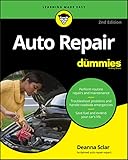
Slang is useful for understanding conversations, but a physical automotive terminology dictionary is a better reference when you need consistent definitions across engineering and industry language. A classic-car terminology guide can be useful for readers moving into hot rods, restoration, collector cars, patina, and related enthusiast vocabulary. These references are supplementary; they do not replace a vehicle inspection, service information, or the law that applies to a purchase.
For readers who need professional rather than casual terminology, the SAE automotive engineering dictionary is a higher-level reference. SAE documents a Dictionary of Automotive Engineering with more than 3,000 automotive terms and informal industry vocabulary. If slang has led to a repair question, a model-specific car repair manual may be the next useful resource, but it should be matched to the vehicle’s year, engine, transmission, market, and exact repair.
The important limitation of car slang
A slang label is not an inspection report. A sleeper does not automatically have high horsepower. A rat rod does not automatically have unsafe construction. A beater may be dependable or dangerously neglected. A slushbox may be an advanced automatic. A built engine may have excellent documentation or none at all.
Use slang to understand what a speaker is trying to communicate, then verify the underlying facts. For a purchase, check the title, history, inspection, recalls, maintenance, tires, brakes, corrosion, and contract. For a modified car, document the parts, installation, tuning, emissions status, and local legality. For a handling or traction problem, stop treating it as a nickname and have the vehicle assessed.
Frequently Asked Questions
Is a beater the same thing as a lemon?
No. A beater is usually an old, rough, low-value but usable car. A lemon usually means a vehicle with serious defects or repeated problems. In legal contexts, lemon has a jurisdiction-specific meaning that requires more than a casual opinion about the car.
Does sleeper mean a car is fast?
Usually, yes: a sleeper looks ordinary but performs unexpectedly well. However, sleeper is a subjective enthusiast label. It does not establish a horsepower figure, reliability level, safety standard, or legal status.
Is slushbox an insult?
It is informal slang for an automatic transmission and is often playful or mildly dismissive. The term is not a technical judgment, and modern automatic transmissions can be highly sophisticated and quick-shifting.
What is the difference between push and loose?
Push generally means understeer, where the front of the car runs wide in a turn. Loose generally means oversteer, where the rear loses grip and the car rotates more than intended.
Are rice rocket and rice burner acceptable car terms?
They are widely understood in some older automotive and motorcycle contexts, but they can carry racialized or ethnic stereotypes and may be offensive. Use neutral descriptions such as heavily styled import or modified Japanese car instead.
Does OEM mean the part is always made by the car manufacturer?
Not necessarily. OEM is used in several ways in parts conversations. Ask whether the component was made by the vehicle manufacturer, made by an original supplier, or is simply an aftermarket part described as equivalent.
The Bottom Line
Car slang helps you understand the conversation, but it does not replace facts. Translate labels such as whip, beater, sleeper, built, or clean into specific questions about condition, components, history, price, safety, and legality. That is the difference between recognizing car culture and making a sound automotive decision.
Quick Recap
Product prices and availability are accurate as of the date/time indicated and are subject to change. Any price and availability information displayed on Amazon at the time of purchase will apply.




