Before buying a used rotary, make engine condition measurable: for an RX-8, start with a rotary-specific compression test performed and interpreted under the correct year’s procedure. Then review the car’s records, inspect and drive it, arrange an independent pre-purchase inspection, and check its VIN for open recalls. The figures below are specific to Mazda’s cited 2004 RX-8 service procedure; they are not specifications for every rotary car.
Start with a rotary-specific compression test
Ask the seller for a written compression-test report and confirm how it was performed. A generic piston-engine compression test is not a substitute for the RX-8’s rotary procedure. The report should identify the vehicle year, test conditions, readings, and cranking speed; have a qualified technician compare the results with the exact year’s service information.
In Mazda’s 2004 RX-8 service procedure, the engine is warmed, the accelerator is fully depressed during cranking, and readings are recorded for both rotor housings. The procedure specifies these values at 250 rpm:
| 2004 RX-8 service-procedure measure | Specification |
|---|---|
| Standard compression | 830 kPa (120 psi) |
| Minimum compression | 680 kPa (98.6 psi) |
| Maximum difference between chambers | 150 kPa (21.8 psi) |
| Maximum difference between rotors | 100 kPa (14.5 psi) |
These are specifications from the cited 2004 RX-8 procedure, not universal pass/fail numbers for every RX-8 year, RX-7, or other rotary model. Mazda’s 2009 RX-8 procedure also specifies 830 kPa (120 psi) standard at 250 rpm, but the correct procedure and equipment still depend on the vehicle. If readings are below the applicable limits or spreads exceed them, the cited 2004 manual directs repair or overhaul. Get the exact vehicle’s results assessed before agreeing to buy.
Free tools Windows power users keep installed
One-click scans. No signup required.
#1 Best Overall

- Comprehensive Management: this red used car record book supports comprehensive tracking of used car transactions, providing an nice solution for title processing and auto tracking, optimizing your organizational processes
- Vibrant Color: attractive with the eye-catching red used car record book; Suitable for busy dealerships, its bold color ensures that you can quickly spot and retrieve the log book when needed, eliminating any unnecessary problem
- Reliable Paper Material: crafted from quality paper, this used car record book is built to last; It withstands frequent handling and long-term use, making it a dependable tool for tracking inventory over time and ensuring data integrity
- Ideal for Dealerships and Auctions: tailored for dealerships and auto auctions, the Used Car Log Book simplifies inventory management; Enhance your workflow and improve efficiency by organizing your title processing and auction records in one handy tool
- Suitable Size: measuring approximately 8-3/4 Inch x 13-1/3 Inch, this used car log book provides ample space for detailed entries; Keep track of every transaction and update without feeling cramped, ensuring your records are complete and precise
A technician may use Mazda’s specified rotary testing equipment or an equivalent setup. Before booking an inspection, ask the shop whether it can perform and interpret a rotary-specific test. Easy starting, including when warm, and a normal-feeling drive can provide useful context, but neither proves that compression is healthy.
Review the car’s records and history
Request dated invoices rather than relying only on a verbal summary. Look for routine maintenance and oil-change records, engine replacement or rebuild paperwork, cooling-system work, and ignition-related repairs. Ask how frequently the car was driven, and compare the odometer and VIN details across the vehicle, title, and available records. Mazda’s used-car guidance recommends reviewing service records and vehicle history.
Missing records create uncertainty; they do not by themselves prove the engine is bad. A documented engine replacement or rebuild is useful only when the paperwork clearly identifies the work and vehicle. Include gaps and unresolved questions in your inspection and cost assessment.
Rank #2
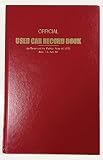
- 8-3/4" x 13-1/3"
- 256 pages, 3 forms per page, total of 768 vehicle records
- Prints in Black ink
- Packaged 1 per book
Understand the RX-8’s oil-check requirements
Mazda explains that the RX-8 RENESIS rotary engine consumes some oil by design, with the amount varying according to engine speed and load. Oil use alone is therefore not proof of a fault. Mazda’s 2007 U.S./Canada RX-8 owner’s manual recommends checking the dipstick at every second fuel filling and specifies SAE 5W-20 for the vehicle covered by that manual. Mazda’s 2006 RX-8 quick tips also emphasize checking oil during refueling and maintaining the proper level.
Those instructions and the oil grade are specific to the cited RX-8 documents and their market and model coverage. Check the owner’s manual for the exact car’s year and market rather than applying the 5W-20 recommendation to every rotary vehicle. Ask the seller how oil level has been monitored and look for a consistent maintenance record.
Inspect the whole car and arrange an independent PPI
Examine the car in daylight and check both visible condition and signs that may point to prior damage or neglect. Mazda recommends an independent inspection at a facility selected by the buyer; the seller’s mechanic is not an adequate substitute.
Rank #3

- Vehicle Inspections Handbook provides step-by-step information CMV drivers need to conduct successful pre-trip, en-route, and post-trip inspections, so they can avoid breakdowns, citations, fines, repair bills, and crashes.
- Information is presented graphically within the vehicle safety handbook so that it's easy to find, with call-outs that address real-life situations drivers may experience during inspections.
- Vehicle inspection book features checklists that drivers can use to ensure successful vehicle inspections.
- Major topics covered include: The importance of vehicle inspections; Key regulations; Preparing for inspections; The inspection process; Vehicle inspection reports (DVIRs); Common inspection violations; and more!
- Softbound handbook measures 5.25" x 8.25", has 76 pages, and is written in English. Copyright 2020.
- Check bodywork for damage, corrosion, mismatched panels, and signs of poor repair.
- Look over the interior, tires, fluid levels, visible leaks, warning lights, and accessible underbody areas.
- Review service records, title, VIN history, and consistency of the paperwork.
- Arrange an independent pre-purchase inspection with a technician you choose. Ask in advance whether the shop can document and interpret a rotary-specific compression test.
Test-drive only when safe and legal. Check ordinary operation and observe starting both before and after the car is warm, while remembering that driving impressions cannot replace compression readings. A very low odometer reading is not automatically reassuring: Mazda notes that a vehicle that has sat for extended periods may have issues with rubber seals and other components.
Independent reader supportYour contribution helps us test, update, and keep practical guides available for everyone.Check recall status and purchase paperwork
Search Mazda’s recall lookup using the individual car’s VIN, not just its model and year. Mazda says open safety recall repairs are free at an authorized Mazda dealer. Confirm with a dealer whether the work is complete and keep the result with the vehicle’s records.
Quick wins for a faster PC:
Scan for outdated or missing drivers - takes under a minuteDriver Scan →Clear out junk files and repair common Windows errorsFree Scan →Review the title, registration, bill of sale, and service history. Emissions, safety-inspection, and other transfer requirements vary by jurisdiction, so verify the rules that apply where the car will be registered.
Rank #4

- Personalized with your company name and address.
- Includes space for inspecting up to 3 trailers.
- Each book has 31 sets of 2 copy duplicate forms. Carbonless.
- Check box to use as Pre or Post Inspection.
- 5.25" x 8.5"
Compare candidates on evidence, not just mileage
Use the same criteria for each car so that a low asking price or attractive odometer reading does not distract from unresolved engine or condition risks.
| Comparison area | What to compare |
|---|---|
| Compression | Recorded rotary-specific readings, test conditions, cranking speed, and whether results meet the correct year’s procedure. |
| Service and engine history | Invoices, oil and routine maintenance, documented replacement or rebuild work, and gaps in the timeline. |
| Vehicle condition | Body and structural condition, leaks, tires, warning lights, and independent inspection findings. |
| Recall status | VIN lookup result and confirmation of completed recall work. |
| Purchase decision | Asking price against expected work, inspection findings, and the uncertainty left by missing evidence. |
If a seller will not allow an independent inspection or provide credible compression results, treat the engine’s condition as unknown rather than assuming it is sound. The RX-8 procedures cited here should not be used to judge an RX-7 or another rotary model; obtain the correct service information and a qualified specialist’s assessment.
Quick Recap
Sources
- Mazda 2004 RX-8 service procedure: rotary compression test
- Mazda 2009 RX-8 service procedure: compression test
- Mazda 2007 RX-8 U.S./Canada Owner’s Manual
- Mazda 2006 RX-8 Quick Tips
- Mazda recall lookup
- Mazda used-vehicle buying guide
Product prices and availability are accurate as of the date/time indicated and are subject to change. Any price and availability information displayed on Amazon at the time of purchase will apply.