The Plymouth Barracuda was discontinued after the 1974 model year, ending a ten-model-year run that began in 1964. It evolved from a Valiant-related fastback into a distinct E-body pony car shared with the Dodge Challenger. Its departure came as demand for pony and high-performance cars weakened; the 1973–1974 oil embargo added pressure, but the available evidence does not establish it as the sole reason Chrysler ended the model.
When did Plymouth stop making the Barracuda?
The Barracuda ran from the 1964 through 1974 model years. No production Barracuda followed. A specialist history reports that production ended in March 1974, before the close of that model year, and gives a 1974 production tally of 11,734. Those figures are reported by Ate Up With Motor.
How the Barracuda changed across its three generations
The name covered cars with notably different designs and relationships to Chrysler’s other models. The generation-by-generation distinction helps explain why the Barracuda is remembered both as a Valiant relative and as a rival to the Challenger.
1964–1966: A Valiant-related fastback
Plymouth introduced the Barracuda on April 1, 1964, two weeks before the Mustang’s debut, according to The Henry Ford. The first-generation car was related to the Valiant and stood out for its large wraparound rear window.
Quick wins for a faster PC:
Repair Windows errors before they cause bigger problemsFix Now →Scan for outdated or missing drivers - takes under a minuteDriver Scan →Clear out junk files and repair common Windows errorsFree Scan →#1 Best Overall

- Pullback Action: Experience realistic racing with the pullback action feature.
- Opening Doors: Explore the intricate interior details with the opening door feature.
- 1:38 Scale: Enjoy a detailed 1:38 scale die-cast model (approx. 5 inches long).
- Authentic Design: Modeled after the iconic 1967 Ford Shelby Mustang GT500.
- Display Piece: A must-have collectible for car enthusiasts and model collectors.
1967–1969: More body styles
The second generation expanded beyond the fastback to include a notchback coupe and convertible. The National Museum of Transportation’s account of a 1967 example reports 30,110 Barracudas produced that year; that is a single-year figure, not a total for the generation. See the museum’s Barracuda collection entry.
1970–1974: The E-body Barracuda and Challenger
For its final generation, the Barracuda moved to Chrysler’s E-body architecture, shared with the Dodge Challenger. The Henry Ford lists run-wide engine options ranging from a 170-cubic-inch Slant Six to a 426-cubic-inch Hemi V-8, illustrating how broad the model’s range was. The high-performance Plymouth versions were called ‘Cuda; that name does not describe every Barracuda. The Audrain Auto Museum’s 1971 Hemi ‘Cuda entry is one example of that performance identity.
Rank #2
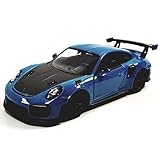
- Doors Open
- Pullback Action
- Die Cast Metal Body
- PULL BACK ACTION WITH FREE ROLLING WHEELS
Why was the Barracuda discontinued?
The most supportable explanation is a difficult market for pony cars and high-performance models, not one proven cancellation trigger. The specialist history describes a contracting pony-car market and reports that the OPEC oil embargo affected much of the Barracuda’s final model year. The U.S. Department of State documents the wider 1973–1974 embargo and its context in its history of the oil embargo.
Together, these sources place the Barracuda’s end amid weakening demand and broader market change. They do not provide a definitive corporate cancellation memo or establish that emissions rules, the embargo, or any other single factor alone caused Chrysler’s decision.
Rank #3
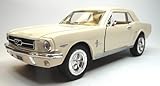
- Authentic 1:36 Scale: Meticulously crafted 1964 1/2 Ford Mustang model car with impressive 5-inch length.
- Realistic Details: Die-cast metal body with opening doors and eye-catching blue finish.
- Interactive Play: Engaging pull-back action for thrilling motion across smooth surfaces.
- Collectible Quality: Ideal for model car enthusiasts and collectors seeking miniature automotive replicas.
- Brand: KiNSMART, a trusted name in die-cast vehicle models and toys.
How popular was the Barracuda?
In a 2013 article, Stellantis North America attributed two production figures to Brandt Rosenbusch, then Chrysler Group Manager of Historical Services: 64,596 Barracudas at the 1965 sales peak and 45,415 in 1968. These are attributed figures reported by the company’s 2013 article, rather than a complete annual production series.
Quick Recap
Best Value
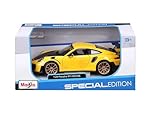
- Die-cast metal body with plastic parts
- Opening doors and engine compartment
- Detailed chassis
- Package Dimensions: 10.6 L x 23.5 H x 11.5 W (centimeters)
Rank #4

- Highly detailed 1:24 scale diecast model kit of 1929 Ford Model A
- Comes with everything needed for assembly including screwdriver
- Features opening parts, rolling wheels and pre-painted metal body
- Easy to assemble, creates fully functional rolling replica model car
- Fun and educational STEM activity for kids to build realistic miniature vehicle
Product prices and availability are accurate as of the date/time indicated and are subject to change. Any price and availability information displayed on Amazon at the time of purchase will apply.




