Free tools Windows power users keep installed
One-click scans. No signup required.
A restomod Oldsmobile 442 combines a classic car with selected later upgrades, but there is no identified featured car or evidence here for a direct performance comparison with today’s muscle cars. The 442’s appeal is grounded in its varied factory configurations and the many ways owners have modified individual cars. To understand any example, first establish its model year, original equipment, and subsequent changes.
What is a restomod Oldsmobile 442?
A restomod is a restored or modified classic car that incorporates later components or technology. The term does not describe one standard specification: a 442 might retain much of its factory equipment or have a substantially changed engine, transmission, brakes, or other components. The available sources do not identify the specific restomod in the title, so no particular build specification can be attributed to it.
| # | Preview | Product | Price | |
|---|---|---|---|---|
| 1 |
|
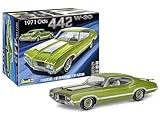
Revell 1971 Olds 442 W-30 1/25 Scale Plastic Model | $34.72 | Buy on Amazon |
| 2 |
|
1967 Olds 442 W-30 # 72171 | $59.99 | Buy on Amazon |
| 3 |

|
Yukon Gear & Axle (YK GM8.5OLDS-31) Master Overhaul Kit for GM Oldsmobile 442/Cutlass 8.5"... | $236.28 | Buy on Amazon |
The Oldsmobile 442’s performance history
The 1969 4-4-2 was a standalone Oldsmobile series for its second year, offered in multiple body styles and engine configurations. Hagerty reports that its W-30 used a 360-bhp 400-cid V-8, while the W-31 used a 325-bhp 350-cid V-8. Hagerty also lists period figures for the 1969 Hurst/Olds: a 380-bhp 455-cid Rocket V-8, 0–60 mph in 5.9 seconds, and a quarter-mile in 14.3 seconds at 101 mph. Those are reported historical figures for that model, not test results for an unspecified restomod. Hagerty’s 1969 4-4-2 report gives the context.
For 1970, Hagerty identifies the 4-4-2 as Oldsmobile’s performance leader and lists a 365-bhp, 455-cid V-8 as the base engine. Factory specifications depend on the exact year and package; they should not be conflated with later modifications. Hagerty’s 1970 4-4-2 overview describes that model.
Do these 3 things before closing this tab:
1Fix the driver behind crashes, sound loss and screen glitches2Clear out junk files and repair common Windows errors3Scan for outdated or missing drivers - takes under a minute#1 Best Overall
- Revell Model Kit #14511, Skill Level 5, Contains 139-Parts, Recommended for ages 13 and up
- Detailed Olds Rocket 455 c.i V-8 engine.
- Choice of 4-speed manual or Turbo 400 automatic transmissions.
- Detailed interior with choice of two consoles. Optional spoiler.
- Molded in white and clear with chrome plated parts and black vinyl tires. Requires paint and glue. (not included)
Documented examples show different ways to modify a 442
Two auction listings illustrate why it is important to describe each car on its own terms. They are examples, not evidence about the unidentified car in the headline, and their sale outcomes are not current valuations.
| Example | Documented configuration | What the listing establishes |
|---|---|---|
| 1968 442 Holiday Coupe | 400-cid Rocket V-8 and TH400 three-speed automatic; later additions included aftermarket dual exhaust, PerTronix ignition components, and a power-assisted front disc-brake kit. | One-family ownership and a mix of original and later equipment. Bring a Trailer reported a $23,000 sale on May 5, 2026. |
| 1969 442 | Rebuilt 454-cid LS5 V-8 and four-speed manual, with aftermarket wheels and accessory instrumentation. | The auction ended in 2019 with a $9,600 high bid and reserve not met; that is not a sale price. |
Sources: Bring a Trailer’s 1968 listing and Bring a Trailer’s 1969 listing.
How to assess a classic 442 or restomod
- Identify the year and body style. Do not assume one year’s equipment or dimensions apply to another.
- Check the car’s documentation and identifiers. Compare available records, VIN, and body-tag information, noting that interpretation can have complications.
- Separate factory equipment from later changes. Record the engine, transmission, brakes, and other components as originally documented and as currently installed.
- Verify fitment before buying parts. Check the exact year, configuration, and manufacturer’s compatibility information; a part used on one example does not establish fitment for every 442.
The 1968 auction listing includes a data-plate decode, and the Olds FAQ discusses VIN and body-tag complications. Consult the Olds FAQ alongside car-specific records. A community build thread can offer useful anecdotal context, but planned work is not proof of a completed or verified specification.
Rank #2
- '67 Olds 442 W-30 Model Kit
- Opening Hood
- Detailed Chassis with Complete Suspension
- Chrome Plated Parts, Detailed Engine
- Vinyl Tires and Detailed Interior
What upgrades can you make to a classic Oldsmobile 442?
Possible changes depend on the car’s year, condition, existing equipment, and owner’s goals. The documented 1968 example had aftermarket exhaust and ignition components and a power-assisted front disc-brake conversion. The sources also show that a different 1969 example had a rebuilt 454-cid engine and a four-speed manual. These examples demonstrate varied modification paths, not a universal recipe or guaranteed performance result.
Before making a change, inspect the specific car and verify compatibility with reliable, year-specific information. The research available here does not establish the safety, performance, or fitment of any general upgrade package.
How does a 442 restomod compare with modern muscle cars?
A classic 442 and a current muscle car can be compared on styling, configuration, comfort, safety equipment, cost, and measured performance, but a sound head-to-head needs named cars and a stated test method. The sources reviewed do not provide current-car specifications or controlled test results, nor do they identify the restomod in the headline. The claim that this car makes modern muscle cars look dull is therefore editorial framing, not a demonstrated performance finding.
Rank #3
- Yukon Master Overhaul kits give you all the high quality parts you need to start and finish every differential job
- Yukon offers more tailor-made kits than any other manufacturer in the industry to meet your specific installation needs
- This kit uses Timken bearings and races along with high quality seals and small parts
- Included in this kit are carrier bearings and races, pinion bearings and races, pinion seal, complete shim kit, ring gear bolts, pinion nut, crush sleeve (if applicable), oil baffles and slingers (if applicable)
- Yukon's Master Overhaul kits are the most comprehensive and complete kits on the market
FAQ
What engine did the 1970 Oldsmobile 442 have?
Hagerty’s overview lists a 365-bhp, 455-cid V-8 as the 1970 4-4-2’s base engine. Confirm the exact car’s year and configuration before applying that specification to an individual example.
Were all Oldsmobile 442s equipped the same way?
No. The sources describe different model years, body styles, and engine packages, as well as cars with later modifications. Identify the individual car rather than assuming one specification applies to every 442.
What does a restomod 442 include?
There is no single standard package. Changes may vary from selected later components to extensive modifications; the documented examples in this article have different equipment. The specific car’s records and inspection are needed to establish what it includes.
Can these sources prove a restomod 442 is faster than a modern muscle car?
No. The research does not identify the featured restomod or provide current-car test results and a controlled comparison. Historical figures for a factory 1969 Hurst/Olds are not measurements of that restomod.
Quick Recap
Product prices and availability are accurate as of the date/time indicated and are subject to change. Any price and availability information displayed on Amazon at the time of purchase will apply.




