What’s actually slowing this PC down?
Pick the symptom - the matching free tool is one click away.
Some vehicle modifications are prohibited nationwide, especially knowingly disabling emissions-control equipment or using parts intended to defeat it. Many other changes—including tint, lighting, exhaust noise, and suspension—depend on the vehicle, installation, and state where it is registered or driven; there is no single list of modifications that is illegal in every state.
Before modifying a car for public-road use, identify the applicable federal rule and check current state code or official DMV and inspection guidance for that vehicle and part. The distinction between emissions controls, safety equipment, and other road-use equipment matters.
Federal emissions rules: tampering and defeat devices
The Clean Air Act prohibits knowingly removing or rendering inoperative emissions-control equipment after a vehicle or engine is sold. It also addresses manufacturing, selling, offering, or installing parts whose principal effect is to bypass or defeat emissions controls when the person knows or should know they are intended for that use, according to the U.S. Environmental Protection Agency (EPA).
EPA identifies potentially relevant equipment and systems such as onboard diagnostics (OBD), sensors, diesel particulate filters (DPFs), exhaust gas recirculation (EGR), oxidation catalysts, selective catalytic reduction (SCR), and emissions-affecting engine calibrations. Whether a particular change violates the law depends on its effect and the relevant knowledge conditions; do not assume every replacement part or calibration is prohibited.
Quick wins for a faster PC:
Repair Windows errors before they cause bigger problemsFix Now →Fix the driver behind crashes, sound loss and screen glitchesFind Drivers →Clear out junk files and repair common Windows errorsFree Scan →#1 Best Overall
- ±2% High-Accuracy VLT Readings: Advanced calibrated optics help deliver stable and repeatable VLT readings with ±2% accuracy. This window tint meter measures visible light transmission across the full 0–100% VLT range, from dark privacy glass to lighter window films. Ideal for vehicle owners, tint installers, auto shops, and routine inspections.
- No Buttons—Just Slide and Instant Readings: Simply slide the window tint tester over a roll-down car window to get a digital VLT reading in about 4 seconds. No buttons or setup required, making window tint testing quick and convenient for use at dealerships, car purchases, or on-the-spot checks. For best accuracy, use the meter in shaded or normal lighting conditions. Avoid strong direct sunlight, which may affect optical readings.
- Foam-Lined Slot Helps Protect Window Film: Soft foam lining inside the testing slot helps reduce the risk of scratches on glass and window film during tint testing. The snug fit also helps reduce dust and stray light interference for more consistent readings,making it suitable for newly installed films and daily shop use.
- Up to 1,000 Tests in a Compact 60g Design: Built for repeated daily use with support for up to 1,000 measurements. This portable VLT meter weighs only 60g and fits easily in a pocket, glove box, or tool kit for convenient testing on the go.
- Includes 2 Reference Tint Samples & Ready-to-Use Kit: Includes two reference tint samples for quick performance verification. Designed to help users confirm meter operation and start testing right out of the box. Features a clear LCD display for easy VLT readings and everyday convenience. The complete kit comes with a tint meter, two reference samples, protective carrying case, and user manual.
Calling a component “off-road,” “race,” or “for competition” does not by itself establish that its manufacture, sale, installation, or use is exempt. The EPA’s December 2020 enforcement alert says: “The Clean Air Act requires vehicle and engine manufacturers to demonstrate that their products do not exceed applicable emission limits.”
EPA reports that its FY 2020 through FY 2023 enforcement initiative finalized 172 civil cases totaling $55.5 million in civil penalties. The agency also describes an estimate of excess lifetime emissions from known defeat-device sales for certain diesel trucks after 2009 and before 2020; that estimate has a limited scope and should not be generalized to all modified vehicles.
Federal safety standards and owner modifications
Federal Motor Vehicle Safety Standards (FMVSS) primarily set requirements for new vehicles and equipment. The National Highway Traffic Safety Administration (NHTSA) says that covered manufacturers, distributors, dealers, and motor vehicle repair businesses must not knowingly make safety-standard-compliant equipment inoperative during post-sale modifications.
Rank #2

- Accurate VLT Verification: Measure Visible Light Transmission (VLT) with ±2% accuracy under proper use conditions. Ideal for verifying side window tint after installation, maintenance, vehicle inspections, and routine shop checks
- Zero-Button Auto Operation: Simply slide the tint meter onto compatible automotive side window glass to receive a VLT reading within seconds. The meter powers on automatically when placed on the glass and shuts off when removed for quick, hassle-free tint checks
- Designed for Side Windows: The 6mm open-slot design fits compatible roll-down automotive side window glass up to 6mm (0.24 in.) thick. Measure side window VLT directly without removing the window film or glass
- Lightweight & Portable: Weighing only about 60g, this compact tint meter fits easily into a pocket, toolbox, glove box, or service vehicle. Ideal for tint shops, auto detailing, dealerships, and mobile technicians
- Complete Kit Included: Includes a hard storage case and two reference samples for quick operational checks and practice measurements. The protective case helps protect the tint meter during storage and transport
NHTSA’s interpretation distinguishes that commercial make-inoperative rule from owner modifications: vehicle owners are not covered by that specific provision. However, states may regulate owner modifications and whether vehicles can be registered or operated on public roads. A federal standard for new equipment therefore should not be mistaken for a complete nationwide owner-use rule.
Recommended Free Tools
Tint, glazing, and visibility
NHTSA describes a 70 percent minimum light transmittance under FMVSS No. 205 for glazing areas requisite for driving visibility in the federal standard context. This is not a universal permission for aftermarket tint or a nationwide owner-use limit. State rules can set their own limits, exemptions, measurement methods, and enforcement practices.
For the question “Is window tint legal in my state?”, check the current rule where the vehicle is registered and driven, including any rules for the windshield, front side windows, vehicle class, and exemptions. Do not rely on a general percentage quoted without its jurisdiction and context.
Rank #3

- PROFESSIONAL WINDOW TINT TESTER FOR ACCURATE VLT MEASUREMENT - TM-28 is a digital window tint meter designed for precise Visible Light Transmission (VLT) testing on automotive side windows and tint films. Ideal for tint installers verifying film performance, vehicle inspectors checking legal compliance, and car owners confirming tint levels on their vehicles.
- READY TO USE WITH AUTOMATIC CALIBRATION - This car window tint tester performs automatic calibration on power-on, ensuring stable and repeatable results without manual setup. Simply turn on the device and start measuring installed car windows, loose tint film samples, or comparison samples in seconds.
- MEASURES VLT, UVR & IRR IN MULTIPLE DISPLAY MODES - Switch between VLT-only mode, transmission mode (VLT/UVT/IRT), or rejection mode (VLT/UVR/IRR). This allows installers and inspection services to compare different tint films, demonstrate UV protection to customers, and evaluate heat rejection performance.
- DESIGNED FOR CAR SIDE ROLL-DOWN WINDOWS - Equipped with a 15 mm (0.56 in) measurement slot suitable for most automotive side windows and tint film samples. Commonly used for tint installation verification, vehicle inspection checks, and dealership trade-in vehicle evaluations.
- CLEAR BACKLIT LCD WITH MANUAL ROTATION - Large backlit display with manual screen rotation ensures comfortable reading from different measuring positions whether testing installed windows inside the vehicle or measuring film samples on a workbench.
Replacement lighting
Replacement lighting must meet applicable federal equipment standards, and state operating rules may add requirements. NHTSA’s FMVSS No. 108 interpretation discusses replacement equipment and examples such as red rear lamps and reflectors, but it is not a complete survey of current lighting laws.
Changing a lamp, lens, or light source can affect regulated color, visibility, or required equipment. Confirm that the specific replacement part and installation meet applicable requirements, then check state rules for operating the vehicle on public roads. Do not assume that a marketplace listing or a part’s availability proves it is road-legal.
Exhaust and noise: state rules vary
Emissions compliance and exhaust noise are separate questions. Removing or disabling emissions controls can implicate federal Clean Air Act rules. Noise and muffler requirements for vehicles in operation are largely state-specific, so there is no supported nationwide decibel limit for every car.
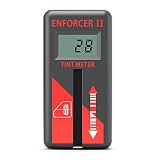
Rank #4

- Assembled in USA
- Traceable to NIST standards
- Battery Included
- 1 Year Warrranty
- Used by police worldwide
For example, Florida law requires a motor vehicle exhaust system to be in good working order and in constant operation to prevent excessive or unusual noise. That is a Florida example, not a national threshold. Check the current law for the state where the vehicle will be driven before installing a straight pipe, changing a muffler, or using a bypass.
Independent reader supportYour contribution helps us test, update, and keep practical guides available for everyone.Suspension, lifts, and other equipment
Suspension and height restrictions also vary by state and may depend on vehicle class and configuration. Illinois law, for example, restricts specified body or suspension lifts and bumper-height variation. Those provisions should not be applied to other states or vehicle categories without checking their rules.
More generally, determine whether a change affects required safety equipment, violates a state road-use rule, or triggers an inspection or registration requirement. The available sources do not support universal claims that a particular ride height, wheel fitment, or suspension part is illegal throughout the United States.
Best Value

- Assembled in USA
- Traceable to NIST standards
- Battery Included
- 1 Year Warrranty
- Used by police worldwide
How to check whether a modification is legal
- Define the use. Is the vehicle going to be driven on public roads, or kept in a limited non-road or competition context? Do not assume that a label on a part creates an exemption.
- Identify the exact vehicle and part. Note the vehicle class and model year, the specific component, what it replaces or removes, and how it will be installed.
- Check for emissions effects. Determine whether the change removes, disables, or defeats emissions controls, or affects an emissions calibration or diagnostic system. Consult EPA guidance when the federal emissions question is unclear.
- Check state rules. Look up the current vehicle code and official DMV or inspection-authority guidance for the state where the vehicle is registered and operated. Check both equipment requirements and inspection rules.
- Verify the installation context. Federal rules can apply differently to manufacturers, sellers, installers, repair businesses, and owners. If a commercial shop is installing or selling the part, do not assume the owner-modification distinction settles the shop’s obligations.
- Get authoritative confirmation when needed. Ask the relevant state agency or a qualified professional and keep documentation for the part and installation.
FAQ
Can I modify my own car?
Often, but that does not mean every modification is lawful for road use. Federal emissions rules, federal requirements affecting commercial entities, and state rules on equipment, registration, inspection, and operation may all be relevant.
Is a straight-pipe or deleted exhaust legal?
There is no one answer for every part and state. Removing or disabling emissions controls can violate the Clean Air Act; exhaust-noise and muffler rules depend on state law. Check both questions for the specific vehicle and location.
Is window tint legal in my state?
It depends on the state rule and the window involved. The federal 70 percent figure NHTSA describes for certain glazing under FMVSS No. 205 is not a nationwide aftermarket tint limit. Check current official state guidance for the vehicle and windows at issue.
Does “off-road use only” make a part legal?
No blanket exemption follows from that label. Federal rules can address the manufacture, sale, offer, or installation of parts intended to defeat emissions controls, while public-road operation is also subject to state rules. Check the actual part, its effect, and its use.
Do federal rules make every aftermarket safety modification illegal?
No. Federal safety standards primarily govern new vehicles and equipment, and NHTSA describes a specific make-inoperative restriction for covered commercial entities. States may regulate owner modifications and public-road operation, so check the relevant state requirements rather than treating every change as nationally banned.
Quick Recap
Product prices and availability are accurate as of the date/time indicated and are subject to change. Any price and availability information displayed on Amazon at the time of purchase will apply.




