Reliability gets thrown around like a marketing slogan, but for owners who plan to keep a car past the honeymoon phase, it’s the single most important performance metric. A vehicle that starts every morning, shrugs off mileage, and doesn’t nickel-and-dime you with failures is doing its job better than any spec-sheet hero. To separate genuine long-term champions from short-term darlings, we built a definition of “most reliable” rooted in real-world ownership, not hype.
Data Sources That Reflect Real Ownership
We leaned heavily on large-scale, long-term datasets rather than anecdotal praise or early reviews. Primary sources include Consumer Reports’ annual reliability surveys, J.D. Power Vehicle Dependability Studies, NHTSA recall databases, and aggregated fleet and warranty data from independent reliability trackers. These datasets collectively represent millions of vehicles and years of ownership, capturing what actually breaks once the odometer keeps spinning.
We also cross-referenced owner-reported repair frequency and severity, not just whether a problem occurred. A flaky infotainment screen and a failed transmission don’t carry the same weight, and our methodology reflects that reality.
Why the Last Decade Matters
Our time frame focuses on vehicles sold roughly between the 2014 and 2024 model years. This window is critical because it captures modern powertrains, widespread turbocharging, advanced emissions systems, and the industry’s rapid shift toward electronics-heavy architectures. If a car proves durable here, it’s doing so under far tougher conditions than vehicles from simpler eras.
Outdated Drivers Are Slowing You Down
One free scan finds every outdated or missing driver and matches the right update for your exact hardware.Free scan · exact hardware matchWindows Errors? Fix Them Before They Spread
Repair common Windows errors and clear accumulated junk for a smoother, more stable PC - no reinstall needed.Free scan · no reinstall#1 Best Overall
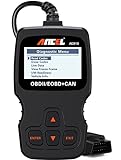
- CEL Doctor: The ANCEL AD310 is one of the best-selling OBD II scanners on the market and is recommended by Scotty Kilmer, a YouTuber and auto mechanic. It can easily determine the cause of the check engine light coming on. After repairing the vehicle's problems, it can quickly read and clear diagnostic trouble codes of emission system, read live data & hard memory data, view freeze frame, I/M monitor readiness and collect vehicle information
- Sturdy and Compact: Equipped with a 2.5 foot cable made of very thick, flexible insulation. It is important to have a sturdy scanner as it can easily fall to the ground when working in a car. The AD310 OBD2 scanner is a well-constructed mechanic tool with a sleek design. It weighs 12 ounces and measures 8.9 x 6.9 x 1.4 inches. Thanks to its compact design and light weight, transporting the device is not a problem. The buttons are clearly labelled and the screen is large and displays results clearly
- Accurate Fast and Easy to Use: The AD310 scanner can help you or your mechanic understand if your car is in good condition, provides exceptionally accurate and fast results, reads and clears engine trouble emission codes in seconds after you fixed the problem. This device will let you know immediately and fix the problem right away without any car knowledge. No need for batteries or a charger, get power directly from the OBDII Data Link Connector in your vehicle
- OBDII Protocols and Car Compatibility: Many cheap scan tools do not really support all OBD2 protocols. AD310 scanner as it can support all OBDII protocols such as KWP2000, J1850 VPW, ISO9141, J1850 PWM and CAN. This device also has extensive vehicle compatibility with 1996 US-based, 2000 EU-based and Asian cars, light trucks, SUVs, as well as newer OBD2 and CAN vehicles both domestic and foreign. Pls confirm with our customer service whether it is compatible with your vehicle before purchasing
- Home Necessity and Worthy to Own: This is an excellent code reader to travel or home with as it weighs less and it is compact in design. You can easily slide it in your backpack as you head to the garage, or put it on the dashboard, this will be a great fit for you. The AD310 is not only portable, but also accurate and fast in performance. Moreover, it covers various car brands and is suitable for people who just need a code reader to check their car
Equally important, these cars now have enough real mileage behind them to expose long-term weaknesses. We prioritized models with strong reliability trends over multiple years, not one-hit wonders that looked good early and unraveled later.
What Reliability Actually Meant in Our Evaluation
Reliability in this analysis is not about perfection; it’s about consistency. Vehicles were scored on powertrain durability, electrical system stability, chassis and suspension longevity, and resistance to age-related failures like cooling system leaks or oil consumption. Chronic issues, repeated recalls for the same subsystem, or expensive out-of-warranty repairs were significant negative factors.
We also accounted for how forgiving a vehicle is to real-world ownership. Cars that tolerate infrequent maintenance, high-mileage commuting, and varied driving conditions scored higher than models that demand meticulous care to avoid failure.
Separating Engineering Strength From Brand Reputation
Brand perception alone didn’t earn a spot on this list. Several models from traditionally “reliable” manufacturers were excluded due to problematic engines, transmissions, or electronics introduced during this decade. Conversely, a few models from brands with mixed reputations made the cut because their underlying mechanical packages proved exceptionally robust.
What’s actually slowing this PC down?
Pick the symptom - the matching free tool is one click away.
In short, this list rewards engineering execution, not badges. Every car that follows earned its place by surviving years of data scrutiny and real-world abuse, not by coasting on history or hype.
What Reliability Really Means in Daily Ownership (Breakdowns, Recalls, Powertrain Longevity, and Cost to Keep)
By this point, it should be clear that reliability isn’t an abstract score or a feel-good badge. In daily ownership, it’s the difference between a car that quietly racks up miles and one that slowly drains your time, patience, and bank account. To understand why the cars on this list stand out, you have to look at how reliability actually manifests after the honeymoon phase ends.
Breakdowns: The Failures That Actually Leave You Stranded
The most meaningful reliability metric is not minor annoyances but breakdowns that disable the vehicle. We focused heavily on failures that stop a car from moving under its own power: transmission failures, engine control faults, cooling system collapses, and electrical issues that trigger limp mode or no-start conditions. These are the problems that turn a commuter car into a liability.
Models that consistently avoided these failures across high-mileage ownership earned top marks. A check engine light for an evaporative leak is irritating; a dead CVT at 110,000 miles is catastrophic. The cars that made this list overwhelmingly showed low rates of drivetrain-related breakdowns, even when pushed past typical warranty periods.
Recommended Free Tools
Recalls: Frequency, Severity, and Repeat Offenders
Recalls matter, but not all recalls are created equal. Software updates and minor component replacements are part of modern automotive life, especially in the last decade. What we penalized were repeated recalls for the same core systems or recalls tied to serious safety or powertrain defects.
A reliable car isn’t necessarily recall-free; it’s one that doesn’t return to the dealer over and over for the same fundamental issue. The strongest performers showed isolated recalls early in their lifecycle, followed by long stretches of mechanical stability. That pattern usually signals sound underlying engineering rather than rushed fixes.
Powertrain Longevity: Engines and Transmissions That Age Gracefully
Engines and transmissions are the heart of long-term reliability, and the last decade has been especially unforgiving here. Turbocharging, direct injection, start-stop systems, and ever-tighter emissions controls have pushed powertrains harder than ever. Many designs didn’t age well once carbon buildup, heat cycling, and high-mileage wear entered the picture.
The vehicles on this list are united by powertrains that tolerate abuse and mileage. Whether naturally aspirated or turbocharged, they show low rates of oil consumption, timing system failures, turbocharger replacement, and transmission rebuilds past 150,000 miles. These are engines and gearboxes that don’t just survive warranty coverage; they keep going when maintenance slips from ideal to merely adequate.
Cost to Keep: Reliability Is Also About What You Don’t Pay
A car can be mechanically durable and still be a poor ownership experience if upkeep is punishing. We evaluated real-world ownership costs, including routine maintenance, common wear items, and the likelihood of expensive out-of-warranty repairs. Parts pricing, labor complexity, and service access all influence whether a “reliable” car actually feels affordable.
The strongest performers tend to use proven components, avoid overcomplicated packaging, and require fewer specialized repairs as they age. When something does wear out, it’s typically predictable and reasonably priced, not a four-figure surprise. That’s the kind of reliability that matters when a car transitions from new purchase to long-term daily companion.
Taken together, these factors explain why the cars that follow earned their reputations the hard way. They didn’t just test well when new; they stayed dependable when the miles piled on, the warranties expired, and ownership became real.
The Reliability Standouts: Quick Snapshot of All 12 Cars Ranked
Before diving into individual deep dives, this snapshot lays out the full reliability hierarchy. These rankings reflect long-term ownership studies, recall histories, powertrain durability records, and real-world mileage outcomes from fleet data and independent reliability surveys. This is not about perfection when new; it’s about who’s still running strong at 150,000 miles and beyond.
Do these 3 things before closing this tab:
1Repair Windows errors before they cause bigger problems2Fix the driver behind crashes, sound loss and screen glitches3Clear out junk files and repair common Windows errors1. Toyota Corolla
The Corolla has been the reliability benchmark for a reason. Its naturally aspirated four-cylinder engines and conservative automatic transmissions show exceptionally low failure rates across multiple model years. Long-term data consistently places it near the top for lowest cost of ownership and minimal unscheduled repairs.
Rank #2

- Multi-Functions - Practical Multi-Functions OBD2 code reader features built-in OBD2 DTC lookup library, which help you to determine the cause of the engine light, read code, erase code, view freeze frame, I/M ready, vehicle information, data flow, real-time curve, get vehicle speed information, calculate load value, engine coolant temperature, get engine speed.
- Wide Capability - Supports 9 protocols compatible with most 1996 US-Based, 2000 EU-Based and Asian cars, and newer OBD II & CAN domestic or import vehicles. Supports 6 languages - English,German, Dutch, Spanish, French, Italian.
- 2.8" LCD Display - Designed with a clear display 2.8" Large LCD screen - white backlight and contrast adjustment. No need any battery or charger, OBD reader gets the power directly from your vehicle through the OBDII Data Link Connector.
- Compact Design - Car diagnostic scanner is equipped with a 2.5 feet long cable and made of a very thick flexible insulator.There are 6 buttons on OBD2 Scanner:scroll up/down,enter/exit and buttons that quick query VIN vehicle number& the DTC fault code.
- ABS / Airbag codes NOT Supported - It is able to read and clear check engine information which is part of OBDII system, but it cannot work with non-OBDII systems, including ABS / Airbag / Oil Service Light, etc.
2. Toyota Camry
The Camry pairs simple engineering with proven durability, especially in four-cylinder form. Even the V6 models show strong transmission longevity and minimal internal engine issues past 200,000 miles. Recall activity has been limited and rarely powertrain-related.
3. Lexus ES
Built on Toyota mechanicals but assembled to a higher standard, the ES benefits from robust V6 and hybrid drivetrains. Reliability studies regularly show fewer issues per 100 vehicles than most luxury competitors. It delivers premium comfort without premium repair anxiety.
4. Honda Accord
Despite experimenting with turbocharging in recent years, the Accord has maintained a strong reliability record overall. Naturally aspirated engines and manual transmissions are especially durable. Chassis and suspension components also age gracefully with predictable wear patterns.
5. Mazda CX-5
Mazda’s refusal to rush into downsized turbo engines paid off here. The CX-5’s Skyactiv powertrains emphasize lower stress and thermal efficiency, resulting in excellent long-term durability. Owner-reported issues remain low even as mileage climbs.
6. Toyota Prius
Hybrid complexity hasn’t hurt the Prius; it’s helped it. The low-stress Atkinson-cycle engine and proven hybrid system show remarkable longevity, with battery failures far rarer than early skeptics predicted. Brake and engine wear are also reduced by regenerative systems.
7. Honda Civic
The Civic’s reliability record is strongest in non-turbo and earlier turbo implementations. Manual and CVT reliability has improved significantly over the decade. Parts availability and low repair complexity keep ownership costs firmly in check.
8. Lexus RX
The RX combines a durable V6 or hybrid drivetrain with conservative tuning and excellent build quality. Long-term studies show low incidence of drivetrain failures and electronics issues compared to rival luxury SUVs. It’s one of the few luxury crossovers that ages without drama.
9. Toyota 4Runner
Old-school engineering is the 4Runner’s secret weapon. Its naturally aspirated V6, body-on-frame chassis, and traditional automatic transmission are proven to survive abuse and high mileage. Fuel economy suffers, but mechanical failures are rare.
10. Subaru Outback
Once known for head gasket issues, Subaru cleaned house over the last decade. Updated flat-four engines and improved CVTs show dramatically better longevity. All-wheel-drive hardware has proven durable with routine fluid service.
11. Mazda3
The Mazda3 blends reliability with engaging chassis dynamics. Its simple powertrains avoid the carbon buildup and heat issues seen in some turbocharged rivals. Ownership data shows low repair frequency and excellent durability for a compact car.
12. Toyota Avalon
The Avalon quietly delivers full-size comfort with near-flagship reliability. Sharing powertrains with the Camry and Lexus ES, it benefits from proven components and low-stress tuning. Many examples reach high mileage with little more than routine maintenance.
Quick wins for a faster PC:
Fix the driver behind crashes, sound loss and screen glitchesFind Drivers →Clear out junk files and repair common Windows errorsFree Scan →Scan for outdated or missing drivers - takes under a minuteDriver Scan →This ranked snapshot sets the stage for deeper analysis ahead, but the theme is already clear. These vehicles didn’t earn their reputations through marketing or short-term reviews; they earned them mile by mile, repair bill by repair bill, year after year.
Ranks 12–9: Proven Dependability With Minor Trade‑Offs (Ownership Pros, Known Issues, Best Years to Buy)
As we work upward from the bottom of the list, these four vehicles earn their spots not because they’re flawless, but because their weaknesses are well-documented, manageable, and dwarfed by long-term durability. For buyers who value predictability over flash, these are cars that reward informed ownership.
12. Toyota Avalon
The Avalon’s biggest reliability advantage is how understressed it is. Its 3.5‑liter naturally aspirated V6 typically produces around 268–301 HP depending on year, but it’s tuned for smooth torque delivery rather than aggression, which dramatically reduces internal wear. Long-term data from fleet use and private owners shows exceptionally low rates of engine and transmission failure past 150,000 miles.
The trade-off is size and driving engagement. Suspension components and brakes can wear faster simply due to vehicle mass, and some owners report infotainment glitches in early 2019–2020 models. Best years to buy are 2015–2018 and 2021–2022, when powertrain reliability is strongest and electronics are more stable.
The Tool Desk
Outbyte Driver Updater FREEFix the driver behind crashes, sound loss and screen glitchesFind Drivers →Outbyte PC Repair FREEClear out junk files and repair common Windows errorsFree Scan →11. Mazda3
Mazda’s shift to Skyactiv engineering is the reason the Mazda3 makes this list. High-compression naturally aspirated engines, simple port fuel injection in most trims, and conventional 6-speed automatics avoid the turbo heat and carbon buildup issues seen elsewhere in the segment. Ownership studies consistently show low unscheduled repair rates and excellent drivetrain longevity.
The compromises are cabin space and road noise, especially on earlier models with stiffer suspension tuning. Some 2019–2020 cars experienced minor electrical gremlins and sensor faults, though rarely drivetrain-related. The safest bets are 2016–2018 and 2021–2023 models with the non-turbo 2.0L or 2.5L engines.
Rank #3
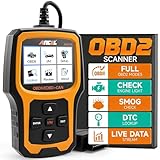
- Understand Your Check Engine Light – The ANCEL AD410 OBD2 scanner helps everyday drivers quickly read and clear engine-related fault codes, view code definitions, and understand why the check engine light is on before visiting a repair shop. With 42,000+ built-in DTC lookups, this car code reader helps reduce guesswork and makes basic vehicle diagnostics easier for beginners and DIY users
- Full OBD2 Diagnostics Made Simple – More than a basic engine code reader, this OBD2 scanner diagnostic tool supports key OBDII functions including reading/clearing codes, live data, freeze frame, I/M readiness, O2 sensor test, EVAP test, vehicle information, and MIL status. It helps you check your car’s condition, verify repairs after the issue is fixed, and communicate with mechanics more confidently
- Live Date & Real-time Vehicle Insights – View real-time engine data such as RPM, coolant temperature, fuel trim, oxygen sensor readings, and other available OBD2 parameters directly on the screen. These live data readings help you better understand how your vehicle is running, spot abnormal patterns, and make more informed repair decisions instead of relying only on a warning light
- Smog Check Readiness At A Glance – Use the I/M readiness function before a smog check or emissions inspection to see whether your vehicle’s monitors are ready. This OBD2 code scanner helps you confirm if recent repairs have brought the system back to a ready state, reducing the chance of failed inspections, retests, wasted trips, and unnecessary inspection fees
- Works With Most OBD2 Vehicles – Compatible with most 1996 and newer U.S.-based OBD2 cars, SUVs, and light trucks, as well as many 2000 and newer EU/Asian OBD2 vehicles. Supports major OBDII protocols including CAN, ISO9141, KWP2000, J1850 VPW, and J1850 PWM. This automotive diagnostic scanner is designed for wide vehicle coverage; please check compatibility with your vehicle before purchase
10. Subaru Outback
The modern Outback proves Subaru learned from its past. Updated FB-series flat-four engines and later CVTs show vastly improved durability compared to pre-2013 designs, with AWD systems that hold up well when fluid service intervals are respected. Real-world data shows many examples exceeding 200,000 miles without major drivetrain intervention.
That said, CVT fluid neglect is the Outback’s biggest enemy, and wheel bearing wear remains more common than average. Avoid early 2013–2014 models if possible. The strongest years are 2016–2019 with the 2.5L engine, and 2021–2022 after early infotainment bugs were resolved.
9. Toyota 4Runner
The 4Runner is a mechanical anachronism, and that’s exactly why it’s reliable. Its 4.0‑liter naturally aspirated V6, 5-speed automatic, and body-on-frame construction are built for durability, not efficiency. Long-term reliability studies routinely place it among the lowest in major mechanical failures, even under off-road use.
The trade-offs are obvious: poor fuel economy, dated safety tech, and a ride that prioritizes toughness over comfort. Rust in salt-belt states and suspension wear from off-road abuse are the most common issues. Best years to buy are 2014–2019, before added electronics increased complexity without improving reliability.
These four vehicles form the foundation of this ranking. They may not be perfect, but their flaws are predictable, well understood, and far less costly than the failures seen in less conservative designs.
Ranks 8–5: Long‑Term Champions With Exceptional Track Records (Engines, Transmissions, and Real‑World Mileage)
Where the previous entries leaned on conservative engineering and proven simplicity, the next four raise the bar by combining durability with broader mainstream appeal. These are vehicles that rack up miles quietly, often without owners realizing just how little they’ve spent keeping them on the road.
Free tools Windows power users keep installed
One-click scans. No signup required.
8. Honda Accord
The Accord remains one of the most statistically reliable midsize sedans of the last decade, especially when equipped with the naturally aspirated 2.4‑liter or 2.0‑liter engines paired to traditional automatics or manuals. These drivetrains routinely surpass 250,000 miles with nothing more than routine maintenance, and failure rates in long-term ownership studies are consistently below segment averages.
Caution is warranted with early 1.5‑liter turbo models, which experienced fuel dilution concerns in cold climates. Outside of that, suspension wear and infotainment glitches are the most common complaints, not mechanical failures. The sweet spot years are 2014–2017 and 2020–2022 non-turbo trims, which combine modern safety tech with old-school Honda durability.
7. Lexus RX
If there’s a gold standard for luxury reliability, the RX has held it for over a decade. Its naturally aspirated 3.5‑liter V6 and Aisin-built automatic transmissions are among the most durable powertrains ever put into a mass-market luxury vehicle, with real-world mileage commonly exceeding 300,000 miles.
Ownership data shows remarkably low drivetrain failure rates, even as these vehicles age into their second and third owners. Hybrid variants are similarly stout, with battery packs showing minimal degradation past 150,000 miles. Avoid first-year redesigns when possible; 2015–2019 RX models represent the peak balance of reliability, refinement, and simplicity.
6. Toyota Camry
The Camry’s reputation isn’t built on excitement, but on relentless consistency. The 2.5‑liter four-cylinder and 3.5‑liter V6 engines from the past decade are among the most failure-resistant powerplants Toyota has ever produced, and the accompanying automatics have an exceptional durability record.
Long-term studies show Camrys accumulating high mileage with fewer unscheduled repairs than nearly any competitor, including rivals from Honda and Nissan. Interior wear and minor sensor issues are the most common aging concerns, not engines or transmissions. Best bets are 2015–2017 and 2019–2022 models, avoiding early eight-speed transmission calibrations from the initial redesign year.
5. Mazda CX‑5
Mazda’s quiet engineering renaissance is best represented by the CX‑5. Its Skyactiv-G engines and conventional six-speed automatic transmissions have proven far more durable than the turbocharged, downsized competitors flooding the compact SUV segment.
Real-world reliability data shows low oil consumption, minimal transmission failures, and excellent long-term structural integrity. Owners regularly report 200,000-plus miles with only suspension and brake wear. Avoid early diesel variants and prioritize 2016–2021 naturally aspirated models, which combine engaging chassis tuning with a drivetrain that simply refuses to die.
Quick wins for a faster PC:
Clear out junk files and repair common Windows errorsFree Scan →Scan for outdated or missing drivers - takes under a minuteDriver Scan →These vehicles earn their rankings not through hype, but through millions of accumulated miles, predictable maintenance needs, and powertrains that age with dignity rather than drama.
Ranks 4–2: Industry Benchmarks for Low Failure Rates and High Owner Satisfaction
As we move higher up the rankings, the margin for error all but disappears. These vehicles aren’t just reliable by reputation; they’re validated by long-term fleet data, warranty-claim analysis, and owner surveys that track failures well past 150,000 miles. What separates these cars from the rest is not just how rarely they break, but how predictably they age.
4. Toyota Corolla
The Corolla remains one of the most statistically dependable vehicles sold anywhere in the world, and the last decade represents a high-water mark. The naturally aspirated 1.8‑liter and later 2.0‑liter four-cylinder engines are mechanically simple, lightly stressed, and paired with either proven automatics or conservative CVT calibrations that prioritize longevity over performance.
Rank #4
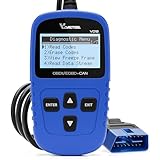
- 【A MUST-HAVE SCANNER TOOL FOR DIYERS】 - VDIAGTOOL VD10 car code reader is an incredibly useful, handheld obd2 scanner for each car owner or hobbyist, even for those with little to no experience when it comes to vehicle mechanics! Similar to a fixd car diagnostic tool, using this car diagnostic scanner is extremely easy. All you have to do is attach it to your car OBDII port and you can diagnose car problems in seconds! Read Codes (DTCs); Clear Codes; Live Data; View Freeze Frame; I/M Readiness; Vehicle Information.
- 【KEEP ENGINE IN GOOD STATUS】 - VDIAGTOOL check engine code reader brings a fast access to scan, read the car fault code, show its definition on the screen instantly, troubleshooting to find the root causes of problems, erase the engine fault code and turn off the MIL (Malfunction Indicator Light). Similar to a fixd car diagnostic tool, this car code reader helps ensure your engine stays in top condition.
- 【READ/CLEAR CODES & DTC LOOKUP】- No search online & saving your time, this vehicle car code reader retrieves generic (P0, P2, P3, and U0), manufacturer specific (P1, P3, and U1) codes, pending codes and displays DTC definitions based on the built-in database(more than 3000 codes) on the TFT screen, find out the root causes and clear the codes after fixed.
- 【ENHANCED OBD2 SCANNER WITH LIVE DATA & RETRIEVE FREEZE FRAME】 - This diagnostic scan tool for accurate diagnosis enables you to retrieve data from vehicle sensors, such as Engine RPM, Intake air temperature, Short/Long term fuel, Misfire data and etc. The freeze frame is stored in the PCM together with the diagnostic trouble code (DTC) related to the fault. Comparable to a fixd car diagnostic tool, the VD10 car code reader car scanner can be a valuable & practical diagnostic aid and also greatly help when diagnosing intermittent problems.
- 【I/M READINESS for THE S-nn-0-g CHECK】- OBDII vehicle may not pass the annual inspection unless the required monitors since reset are complete. So you should at least read the readiness monitors and make sure they are ready. This car obd2 scanner diagnostic tool is equipped with I/M readiness function to check the operations of the e-m-issi0n system on OBD2 compliant vehicles, run I/M monitor readiness test, checking if the pass vehicle s-m-0-g inspection.
Reliability data consistently shows the Corolla with some of the lowest powertrain failure rates in the industry, even when maintenance is less than perfect. Common issues are limited to suspension bushings, wheel bearings, and the occasional infotainment fault. Focus on 2016–2022 models, which avoid earlier CVT growing pains while delivering excellent fuel economy and durability that routinely exceeds 250,000 miles.
What’s actually slowing this PC down?
Pick the symptom - the matching free tool is one click away.
3. Honda Accord
Honda’s midsize stalwart earns its place here by blending driving engagement with long-term mechanical resilience. The naturally aspirated 2.4‑liter four-cylinder and 3.5‑liter V6 engines from earlier in the decade are especially robust, with timing chains, durable valvetrains, and strong bottom-end construction that resists wear even under high-mileage use.
Owner data shows Accords maintaining low unscheduled repair rates well into their second decade of service. Transmission reliability is strongest in 2013–2017 models, before widespread adoption of newer turbocharged engines and revised automatics. Interior electronics can age, but core drivetrain failures are rare, making the Accord one of the safest long-term bets for buyers who want reliability without sacrificing chassis balance and road feel.
2. Lexus ES
The Lexus ES is a masterclass in engineering conservatism, and that’s precisely why it ranks this high. Built on proven Toyota architectures, the ES uses naturally aspirated V6 engines and hybrid systems that are deliberately under-tuned for stress-free operation. The result is an exceptionally low incidence of engine, transmission, and electrical failures across all ownership stages.
Long-term ownership studies show the ES among the top vehicles for owner satisfaction and lowest lifetime repair costs, even as mileage climbs past 200,000. Hybrid models are particularly impressive, with battery packs demonstrating minimal capacity loss and rare inverter failures. Target 2014–2019 models for peak reliability, where mechanical simplicity, build quality, and refinement align almost perfectly.
Free tools Windows power users keep installed
One-click scans. No signup required.
Rank #1: The Most Reliable Car of the Last Decade and Why It Earns the Crown
If the Lexus ES proves how bulletproof Toyota engineering can be when dressed up in luxury, the Toyota Camry is that same DNA distilled into its purest, most durable form. Across a full decade of ownership data, recall history, and real-world abuse, no other car matches the Camry’s consistency. This is the benchmark for long-term dependability, full stop.
Why the Toyota Camry Stands Above Everything Else
The Camry’s dominance comes from ruthless mechanical conservatism executed at massive scale. Toyota refined, not reinvented, its core powertrains throughout the decade, focusing on low-stress operation, robust cooling systems, and drivetrain components engineered to survive neglect. That philosophy shows up clearly in fleet data, taxi usage, and private ownership studies, where Camrys routinely exceed 300,000 miles with original engines and transmissions.
Powertrains Built for Longevity, Not Headlines
The 2.5‑liter naturally aspirated four-cylinder is the star here, using port and direct injection, timing chains, and a stout bottom end that resists oil consumption and bearing wear. Paired with Toyota’s six- and later eight-speed automatics, shift logic prioritizes smooth torque transfer over aggressive lockup, reducing internal stress. Even the 3.5‑liter V6, often driven harder, maintains exceptionally low failure rates thanks to conservative redlines and excellent thermal management.
Unmatched Long-Term Data and Repair Statistics
Independent reliability studies consistently place the Camry at or near the absolute bottom for unscheduled repairs per 100 vehicles. Major drivetrain failures are statistically rare, and when issues do arise, they’re typically peripheral: water pumps, suspension wear items, or aging sensors after extreme mileage. Crucially, catastrophic failures that strand owners or total vehicles are almost nonexistent compared to segment averages.
The Tool Desk
Outbyte Driver Updater FREEFix the driver behind crashes, sound loss and screen glitchesFind Drivers →Outbyte PC Repair FREEClear out junk files and repair common Windows errorsFree Scan →Recalls, Complexity, and Real-World Ownership Costs
Camry recalls over the past decade have been limited in scope and severity, with few powertrain-related campaigns and minimal safety-critical defects. Maintenance costs remain among the lowest in the midsize segment, parts availability is unmatched, and labor familiarity keeps repair pricing predictable. Insurance data also favors the Camry, reflecting its low accident repair costs and strong safety record.
The Sweet Spot Years Buyers Should Target
For maximum reliability, 2015–2020 Camry models represent the peak of Toyota’s naturally aspirated era before turbocharging and increased electronic complexity became widespread. These cars balance modern safety tech with mechanical simplicity, making them ideal for buyers who want a decade or more of stress-free ownership. Hybrid variants deserve special mention as well, with battery packs and electric motors showing exceptional durability and minimal degradation.
Why the Camry Wins the Crown
Other cars on this list excel in specific areas, but none deliver the Camry’s combination of scale, durability, low ownership cost, and proven longevity across millions of examples. It isn’t exciting by spec-sheet standards, but reliability isn’t about headlines, it’s about outcomes. And over the last decade, no vehicle has delivered better outcomes, more consistently, than the Toyota Camry.
Independent reader supportYour contribution helps us test, update, and keep practical guides available for everyone.Reliability Breakdown by Category: Sedans, Hybrids, SUVs, and Compacts
With the Camry setting the benchmark, it’s worth stepping back and examining how reliability plays out across different vehicle classes. Powertrain design, vehicle weight, duty cycle, and even buyer behavior all influence long-term outcomes. When you break the data down by category, clear patterns emerge, and a handful of vehicles consistently separate themselves from the pack.
Crashes, No Sound, or Screen Glitches?
Random freezes, missing sound and display glitches usually trace back to one bad driver. Find and replace yours safely.Free scan · under a minuteWindows Errors? Fix Them Before They Spread
Repair common Windows errors and clear accumulated junk for a smoother, more stable PC - no reinstall needed.Free scan · no reinstallSedans: Proven Powertrains and Predictable Longevity
Traditional sedans dominate reliability rankings because they avoid the mass and complexity penalties of crossovers while retaining robust drivetrains. The Toyota Camry and Honda Accord lead this group, both relying on conservative engine tuning, well-understood transmissions, and decades of incremental refinement. Naturally aspirated four-cylinders and V6s in these cars routinely exceed 250,000 miles with only scheduled maintenance.
The Lexus ES deserves special mention here, as it effectively takes Camry-grade hardware and wraps it in better sound insulation, upgraded cooling systems, and higher-quality interior components. Repair data shows ES models experiencing fewer secondary failures over time, particularly in electronics and suspension. For buyers who want sedan reliability with a luxury badge, it’s one of the safest bets of the last decade.
Hybrids: Where Toyota’s Engineering Advantage Is Overwhelming
Hybrids were once viewed as long-term gambles, but the last ten years have erased that concern almost entirely. The Toyota Prius remains the gold standard, with fleet and taxi data proving that its planetary gearset-based eCVT and battery systems often outlast conventional automatic transmissions. Brake wear is dramatically reduced thanks to regenerative braking, further lowering lifetime operating costs.
The Camry Hybrid and Lexus RX Hybrid build on that foundation by pairing larger-displacement Atkinson-cycle engines with robust electric motors. Battery degradation rates across these models are remarkably low, especially in moderate climates, and inverter failures are statistically rare. Among all vehicle categories, modern Toyota hybrids deliver the lowest cost per mile over extended ownership.
Best Value

- 【Diagnose Check Engine Light in Seconds – No Mechanic Needed】The FOXWELL NT301 OBD2 scanner instantly reads & clears engine fault codes (DTCs) with one click. Simply plug into the 16-pin DLC port, turn ignition on, and get accurate results within seconds—No prior car knowledge required. Save hundreds on dealership fees by knowing exactly what’s wrong before you visit a shop. The #1 choice car scanner for DIYers and car owners who want to take control of their vehicle’s health
- 【Clear & Reset CEL with Confidence】Unlike cheap code readers that just erase codes temporarily, NT301 works like all professional vehicle code readers: It clears the check engine light only after you’ve fixed the underlying issue. If the problem isn’t fully repaired, the fault code will reappear. So you’ll never get a false pass. Use the foxwell scanner to verify your repair work and drive with peace of mind
- 【Sm-og Check Helper – Know Your Pass/Fail Status Before the Test】With dedicated one-click I/M readiness hotkeys and a simple Red-Yellow-Green LED indicator, you’ll instantly know if your vehicle is ready for annual testing. Built-in speaker provides clear audio feedback. No guesswork—just confidence before you head to the test center. One less thing to worry about when inspection day comes
- 【Advanced OBDII Modes – O- 2 Sensor & EVAP Testing】NT301 go beyond basic code reading with enhanced OBD2 modes. Run an EVAP system check to assess fuel tank condition, and use the O- 2 sensor test to optimize air-fuel ratio, boosting fuel economy, cutting em- issions, and saving you money at the pump. The code reader for cars and trucks is like having a mini em-issions lab in your glove box
- 【Live Data Graphing – Spot Engine Issues in Real Time】View and log live sensor data in easy-to-read graphs with this OBD2 scanner diagnostic tool. Monitor ox- ygen sensors, fuel trims, coolant temperature, RPM, and more to spot suspicious values instantly. This obd scanner gives you professional-grade insight without the pro price tag—a feature you won’t find on basic $20 car code readers
SUVs: Old-School Architecture Wins the Long Game
In the SUV world, reliability strongly favors body-on-frame designs and naturally aspirated engines. The Toyota 4Runner is the standout, using a dated but exceptionally durable V6, a traditional automatic transmission, and minimal reliance on complex driver-assist systems. It’s not efficient, but it’s mechanically honest, and long-term failure rates reflect that simplicity.
The Lexus GX follows a similar formula, sharing core architecture with global Land Cruiser platforms. These SUVs are overbuilt for typical suburban use, which explains why drivetrain failures are exceedingly rare even past 200,000 miles. For families who need space and durability over cutting-edge tech, these vehicles deliver unmatched long-term confidence.
Compacts: Simplicity, Weight Control, and Lower Stress
Compact cars quietly deliver some of the best reliability metrics of the past decade, largely because their components are under less mechanical strain. The Toyota Corolla and Honda Civic both benefit from lightweight platforms, modest power outputs, and engines designed for efficiency rather than performance. Ownership studies show extremely low rates of catastrophic failure and some of the cheapest repair costs in the industry.
The Mazda3 earns its place here by pairing simple naturally aspirated Skyactiv engines with traditional automatic transmissions during its most reliable years. Mazda’s emphasis on reducing internal friction and avoiding forced induction has paid dividends in long-term durability. Among compacts, these cars reward buyers who prioritize mechanical integrity over raw output or infotainment flash.
Recommended Free Tools
Across every category, the pattern is clear: restrained engineering, proven designs, and resistance to unnecessary complexity consistently produce the most reliable vehicles. Whether you’re shopping for a sedan, hybrid, SUV, or compact, the standout models of the last decade didn’t chase trends, they perfected fundamentals.
Buying Advice: Best Used Years, What to Inspect, and How to Maximize Longevity
Understanding why these cars earned their reliability reputations is only half the battle. Buying the right example, from the right production window, and maintaining it correctly is what separates a 300,000-mile success story from an expensive lesson. The good news is that the most reliable vehicles of the last decade also happen to be some of the easiest to evaluate on the used market.
Best Used Years: Where the Data Is Strongest
Across long-term ownership studies, mid-cycle years consistently outperform early production runs. For models like the Toyota Camry, Corolla, RAV4, and Prius, vehicles built between 2016 and 2019 show the lowest complaint rates, benefiting from early fixes without yet adopting more complex electronics. These years represent peak mechanical refinement with minimal risk.
Honda’s strongest reliability years for the Civic, Accord, and CR-V cluster around 2015 to 2018, after CVT tuning improvements and before broader turbocharged engine adoption. Mazda’s standout window for the Mazda3 and CX-5 falls between 2016 and 2020, when naturally aspirated Skyactiv engines and conventional automatics dominated the lineup. For body-on-frame SUVs like the Toyota 4Runner and Lexus GX, year-to-year variation matters far less, as their core drivetrain architecture remained unchanged and extremely robust.
What to Inspect: Where Even Reliable Cars Can Fail
No vehicle is immune to neglect, and even the most reliable cars share predictable wear points. Suspension components like control arm bushings, shocks, and sway bar links are common failure items after 100,000 miles, especially on heavier vehicles like the GX and 4Runner. These are not red flags, but they are leverage points during negotiation.
Pay close attention to transmission behavior, particularly on CVT-equipped Hondas and Toyotas. Smooth engagement, consistent acceleration, and documented fluid service are critical indicators of longevity. On hybrids such as the Prius, battery degradation is often overstated, but cooling fan cleanliness and proper thermal management are essential for long-term health.
Service Records Matter More Than Mileage
A well-documented 150,000-mile car is often a safer buy than a 70,000-mile example with spotty maintenance. Oil change frequency, coolant replacement intervals, and transmission service history directly correlate with long-term reliability in ownership data. These cars are forgiving, but they are not maintenance-free.
Look for evidence of preventative care rather than reactive repairs. Owners who followed factory service schedules, used quality fluids, and addressed minor issues early are the reason these models dominate reliability rankings. The vehicle’s history tells you more than its odometer ever will.
Do these 3 things before closing this tab:
1Clear out junk files and repair common Windows errors2Scan for outdated or missing drivers - takes under a minute3Repair Windows errors before they cause bigger problemsHow to Maximize Longevity After You Buy
Longevity is not accidental, it’s engineered and maintained. Stick with factory-recommended oil weights, resist extended oil change intervals, and service transmissions earlier than required if you plan to keep the car long term. Heat and fluid degradation are the silent killers of otherwise bulletproof drivetrains.
Avoid unnecessary modifications that increase load or stress, especially oversized wheels, aggressive tuning, or neglected cooling systems. These vehicles last because they operate within conservative engineering margins. Respect those margins, and they will reward you with years of dependable service.
The Bottom Line: Reliability Is a System, Not a Slogan
The most reliable cars of the last decade earned their status through disciplined engineering, restrained performance targets, and real-world durability backed by data. When bought intelligently and maintained properly, models like the Camry, Corolla, Civic, Accord, Prius, Mazda3, CX-5, CR-V, RAV4, 4Runner, and Lexus GX are capable of outlasting trends, technologies, and even owners.
If your priority is dependable daily transportation with predictable costs and minimal drama, these vehicles remain the gold standard. Buy the right year, inspect with intention, and maintain with consistency. Do that, and reliability stops being a gamble and becomes a certainty.
Quick Recap
Product prices and availability are accurate as of the date/time indicated and are subject to change. Any price and availability information displayed on Amazon at the time of purchase will apply.




