The new NHTSA investigation into GM’s recalled 6.2-liter V8 engines is a review—not a new recall or final failure finding—opened January 16, 2026, after 36 owners reported engine failures following the earlier remedy. NHTSA is assessing whether Recall 25V-274 adequately addresses post-repair failures involving the L87 engine.
The investigation matters because the earlier recall affected a large population of Chevrolet, GMC, and Cadillac vehicles, and the reported failures occurred after both identified remedy paths: the higher-viscosity-oil procedure and engine replacement. A separate NHTSA engineering analysis is examining whether related L87 failures extend beyond the original recall population.
As an Amazon Associate I earn from qualifying purchases.
Key takeaways
- NHTSA opened Recall Query RQ26001 on January 16, 2026, after receiving 36 owner questionnaires alleging engine failures after GM’s recall remedy was completed.
- RQ26001 is an investigation into whether Recall 25V-274’s remedy is adequate, not a new recall or a final finding that every repaired engine will fail.
- The earlier GM recall covers certain 2021–2024 vehicles with the 6.2L V8 gas engine, RPO L87, because defective connecting-rod or crankshaft components can cause engine damage and loss of propulsion.
- The recall remedy may involve an inspection and DTC P0016 check, followed by new 0W-40 oil and an oil filter for vehicles that pass; vehicles that fail inspection may require repair or engine replacement.
- A separate NHTSA engineering analysis, EA25007, examines whether L87 engine-bearing failures affect vehicles outside the original recall population.
What does the new NHTSA investigation into GM’s recalled 6.2-liter V8 engines mean?
The new NHTSA investigation into GM’s recalled 6.2-liter V8 engines means the agency is reviewing whether GM’s earlier remedy works adequately after receiving 36 reports of engine failure following completed recall repairs. NHTSA has not announced a new recall, said that every repaired engine will fail, or made a final determination that the remedy is defective.
NHTSA opened Recall Query RQ26001 on January 16, 2026. The query’s subject is “Loss of motive power due to engine failure post recall remedy.” The 36 complaints described failures after both remedy paths identified in the opening resume: the higher-viscosity-oil remedy and engine replacement. NHTSA says the purpose of the query is to assess the adequacy of Recall 25V-274’s remedy. NHTSA’s RQ26001 opening resume contains the agency’s initial account.
#1 Best Overall
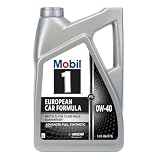
- Protects for 15,000 miles – guaranteed**
- Has excellent low temperature capabilities for rapid engine protection at start-up
- Delivers fast protection for reduced engine wear and deposits
- Formulated for European vehicles
In the agency’s words, “ODI is opening this Recall Query (RQ) to assess the adequacy of the remedy for Recall 25V-274.” That sentence describes the reason for opening the review, not its eventual conclusion.
How is RQ26001 different from the earlier GM 6.2L recall?
RQ26001 examines failures reported after a recall remedy, while Recall 25V-274 addresses the original defect population and provides the repair procedure. The three proceedings have different purposes, timing, and evidence status.
| Action or record | Population or timing | What it addresses | Current status |
|---|---|---|---|
| Recall 25V-274 | Certain 2021–2024 GM vehicles with the L87 6.2L V8 | Potential connecting-rod and crankshaft manufacturing defects that can cause engine damage and loss of propulsion | Recall remedy available through the applicable GM process |
| RQ26001 | Opened January 16, 2026; 36 owner questionnaires alleged post-remedy failures | Whether the remedy remains adequate after oil-based repair or engine replacement | Recall Query; no final determination announced |
| EA25007 | Opened October 23, 2025; includes reports involving vehicles outside the original recall scope | Whether the L87 engine-bearing problem extends beyond Recall 25V-274 and how severe it may be | Engineering Analysis; no final conclusion stated in the opening resume |
RQ26001 therefore does not erase or automatically expand Recall 25V-274. NHTSA may gather additional complaints, technical information, and manufacturer data before deciding whether further action is appropriate.
The Tool Desk
Outbyte PC Repair FREERepair Windows errors before they cause bigger problemsFix Now →Outbyte Driver Updater FREEFix the driver behind crashes, sound loss and screen glitchesFind Drivers →How many vehicles and complaints are involved?
The official records use slightly different population figures. According to NHTSA’s 2026 RQ26001 opening resume, the recall population listed for the query is 597,571 vehicles. According to General Motors’ 2025 Part 573 filing, the total recall population is 597,630 vehicles. The 59-vehicle difference should be attributed to the respective records rather than treated as an unexplained error. NHTSA’s 2026 recall-query record and GM’s Part 573 filing provide the two figures.
| Figure | Owner and date | What the figure represents |
|---|---|---|
| 597,571 vehicles | NHTSA, 2026 | Population listed in the RQ26001 opening resume |
| 597,630 vehicles | General Motors, 2025 | Total population in GM’s Part 573 recall filing |
| 36 owner questionnaires | NHTSA, 2026 | Reports alleging engine failure after the recall remedy was completed |
| 1,157 reports | NHTSA, 2025 | Reports of L87 engine-bearing failures cited in EA25007 |
| 173 reports | NHTSA, 2025 | Reports identified as outside Recall 25V-274’s scope |
The 36 post-remedy questionnaires are allegations recorded by NHTSA, not a finding that all 36 failures had the same cause or that every repaired vehicle is unsafe. The broader EA25007 figures are also separate from the 36 complaints in RQ26001.
Why was the GM 6.2-liter V8 recalled?
The earlier recall concerns certain GM vehicles equipped with the 6.2L V8 gas engine, RPO L87. GM reported that connecting-rod and/or crankshaft components may contain manufacturing defects that can damage the engine and cause engine failure.
Rank #2

- Our most advanced full synthetic 0W-40 engine oil, designed for unbeatable engine protection*
- Pennzoil Ultra Platinum comes with a 20-year, 750,000-mile warranty** to protect your engine and give you peace of mind to drive every mile as hard as you can
- Made with natural gas
- Outstanding performance in extreme temperatures
- Designed for high-performance engines, it helps protect engines from loss of power
GM identified two primary causes in its safety-recall filing:
What’s actually slowing this PC down?
Pick the symptom - the matching free tool is one click away.
- Sediment on connecting rods and in crankshaft oil galleries can damage rod bearings.
- Crankshaft dimensions or surface finish can be outside specification.
If the engine fails while the vehicle is operating, the vehicle can lose propulsion. GM stated, “If the engine fails during vehicle operation, the vehicle will lose propulsion, increasing the risk of a crash.” That safety consequence appears in GM’s April 24, 2025 Part 573 safety-recall filing.
Possible warning signs listed in the filing include knocking, banging, or other unusual engine noises; an illuminated check-engine light; hesitation; high engine RPM; abnormal shifting; reduced propulsion; and a no-start condition. Warning signs are not guaranteed. NHTSA investigation material also records complainants reporting that there was no detectability before some failures, but that statement belongs to the earlier investigation record and should not be generalized to every vehicle or failure mode.
Does the GM 6.2 recall include my Silverado, Sierra, Tahoe, Yukon, or Escalade?
The original recall includes certain 2021–2024 model-year Chevrolet Silverado 1500, Chevrolet Suburban, Chevrolet Tahoe, GMC Sierra 1500, GMC Yukon, GMC Yukon XL, Cadillac Escalade, and Cadillac Escalade ESV vehicles equipped with the L87 engine. Model, year, engine, build details, and VIN determine whether a particular vehicle is included.
EA25007 is examining a related but broader set of potential failures. Its opening resume discusses certain 2019–2021 and 2024 Silverado 1500 and Sierra 1500 vehicles, along with specified 2021 and 2024 Suburban, Tahoe, Yukon, Yukon XL, Escalade, and Escalade ESV vehicles. Being mentioned in EA25007 does not by itself mean that a vehicle has been added to Recall 25V-274 or that a new recall applies.
Free tools Windows power users keep installed
One-click scans. No signup required.
Use the official Chevrolet vehicle-support and recall resources to check the VIN, then ask a GM dealer to confirm the open-recall status and the applicable repair process. A model name or engine badge alone cannot establish recall coverage.
Rank #3
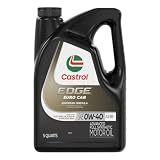
- 1.5X Better viscosity control to help engines run better for longer*
- 1.5X Better piston cleanliness to help maximize engine performance**
- As measured in DV6 test vs. test limits
- As measured in EP6CDT test vs. test limits
What does the GM 6.2 recall repair involve?
The recall bulletin instructs dealers to inspect the vehicle and check for DTC P0016. For a vehicle that passes the inspection, the procedure calls for draining the engine oil, installing a new oil filter, filling the engine with new 0W-40 oil, replacing the oil-fill cap with the 0W-40 version, and inserting the appropriate updated owner-manual material.
A vehicle that does not pass the inspection is not supposed to proceed through the oil-only procedure. The bulletin directs the applicable repair or engine-replacement process instead. The exact remedy history matters when evaluating a later failure, so owners should ask the dealer which remedy path was used and keep the repair order.
| Remedy path | What the official procedure describes | What owners should understand |
|---|---|---|
| Inspection-pass path | DTC P0016 check, oil drain, new filter, new 0W-40 oil, 0W-40 oil-fill cap, and updated owner-manual material | Recall work is a dealer procedure, not a DIY oil change |
| Inspection-fail path | Further repair or engine replacement under the applicable process | The oil-only procedure is not the designated remedy for a failed inspection |
| Engine replacement | Replacement performed under the applicable recall process | RQ26001 includes complaints alleging failures after engine replacement as well as after the oil-based remedy |
The GM/NHTSA recall bulletin is written for dealer service. Do not attempt to certify or repair a recalled engine by changing the oil yourself. Chevrolet states that recall work completed by a GM dealer is covered at no charge, subject to the applicable recall terms; its official warranty and owner-support information provides related service guidance.
What oil does the GM 6.2 recall use?
The GM 6.2 recall procedure specifies new 0W-40 oil for vehicles that pass the inspection. The procedure also calls for a new oil filter and replacement of the oil-fill cap with the 0W-40 version.
Owners who are purchasing oil for ordinary maintenance can use the phrase 0W-40 full-synthetic motor oil as a product-search starting point, but the purchase is not a recall repair. Confirm the exact oil specification, quantity, and vehicle fitment by VIN or with a GM dealer before buying anything. The official bulletin—not a generic product listing—controls the recall procedure.
Buying oil cannot determine whether an engine passes the DTC P0016 inspection, correct a defective crankshaft or rod-bearing condition, or establish that a post-repair engine is safe. Recall service must be completed through the applicable dealer process.
Is the GM 6.2 recall failing?
The available evidence supports a careful answer: NHTSA is investigating whether the remedy is adequate, but the agency has not concluded that the recall remedy is failing across the affected population. RQ26001 exists because 36 owners reported post-remedy engine failures, including failures reported after both the oil-based remedy and engine replacement.
Rank #4

- Reduce particulate buildup in diesel particulate filters
- Reduce poisoning of gasoline catalytic converters
- Reduce deposits and sludge buildup to enable long and clean engine life
- Reduce oil aging, allowing extended drain interval protection
RQ26001 is different from proof that every complaint was caused by the original defect. The investigation may determine that some failures share the recalled defect, that the remedy has limitations, or that other causes are involved. Until NHTSA publishes a conclusion or announces additional action, owners should not treat the investigation as either a clean bill of health or a declaration that all repaired engines will fail.
EA25007 adds a separate concern: NHTSA’s 2025 opening resume cited 1,157 L87 engine-bearing-failure reports, including 173 identified as outside the scope of Recall 25V-274. The analysis is evaluating the potential scope and severity of those failures, not automatically converting every report into recall coverage. NHTSA’s EA25007 opening resume explains that broader review.
Independent reader supportYour contribution helps us test, update, and keep practical guides available for everyone.What should I do if my GM 6.2 engine fails after recall repair?
If a recalled GM 6.2L engine develops unusual noise, a check-engine light, hesitation, reduced propulsion, abnormal shifting, or a no-start condition, stop treating the symptom as routine maintenance and seek professional diagnosis. If the vehicle loses power or appears unsafe to drive, arrange appropriate towing rather than continuing to operate it.
- Check the VIN. Use Chevrolet or NHTSA recall resources to confirm whether the vehicle is covered and whether the recall is marked complete.
- Contact a GM dealer. Ask whether the recall was completed, which remedy path was used, whether DTC P0016 was recorded, and whether the dealer has documented the current complaint.
- Preserve records. Keep the recall repair order, inspection results, diagnostic codes, invoices, towing records, photographs, maintenance records, and communications with the dealer or manufacturer.
- Request a written diagnosis. A written record should identify the reported symptom, diagnostic findings, failed parts if known, and the repair recommendation.
- Report the problem. Owners can provide information through NHTSA’s vehicle-safety complaint system and should retain the complaint confirmation or reference information.
An aftermarket OBD2 scanner may read diagnostic codes, but a scanner cannot certify that the engine is safe, prove that the recall remedy worked, or replace the dealer’s official inspection. A code such as P0016 is relevant to the bulletin, but code-reading alone is not a complete engine assessment.
PC Slower Than It Used to Be?
A free scan shows the junk files, broken settings and background clutter dragging Windows down - then fixes them in one click.Free scan · Windows 10 & 11Outdated Drivers Are Slowing You Down
One free scan finds every outdated or missing driver and matches the right update for your exact hardware.Free scan · exact hardware matchWhat do the new investigation and the court filing mean for owners?
The NHTSA investigations and a federal class-action complaint show that the L87 engine issue has continuing regulatory and litigation relevance, but a filed complaint is not a court judgment or proof that every owner has a compensable claim. Owners with documented post-repair failures should focus first on preserving technical and service records.
Useful records include repair orders, diagnostic reports, towing bills, photographs, maintenance receipts, warranty communications, and messages with the dealer or manufacturer. Owners considering legal options should obtain advice from a qualified professional in the relevant jurisdiction rather than relying on the existence of a complaint as a prediction of an individual outcome. The filed federal class-action complaint concerning the GM L87 engine is a court filing, not a final ruling.
Best Value
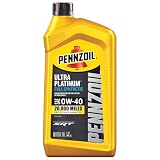
- Our most advanced full synthetic 0W-40 engine oil, designed for unbeatable engine protection*
- Pennzoil Ultra Platinum comes with a 20-year, 750,000-mile warranty** to protect your engine and give you peace of mind to drive every mile as hard as you can
- Made with natural gas
- Outstanding performance in extreme temperatures
- Designed for high-performance engines, it helps protect engines from loss of power
Frequently Asked Questions
Is the new NHTSA investigation a new GM 6.2 recall?
NHTSA’s RQ26001 is not a new recall. The agency opened the Recall Query on January 16, 2026, to assess whether Recall 25V-274’s remedy is adequate after 36 owners reported engine failures following completed repairs. NHTSA has not announced a final finding or expanded recall in the supplied investigation record.
What oil does the GM 6.2 recall use?
The recall bulletin specifies new 0W-40 oil and a new oil filter for vehicles that pass the dealer inspection and DTC P0016 check. Owners should confirm the exact specification, quantity, and fitment by VIN; buying oil does not perform or replace the recall repair.
Do these 3 things before closing this tab:
1Clear out junk files and repair common Windows errors2Scan for outdated or missing drivers - takes under a minute3Repair Windows errors before they cause bigger problemsDoes the GM 6.2 recall include my Silverado, Sierra, Tahoe, Yukon, or Escalade?
The original recall covers certain 2021–2024 Chevrolet Silverado 1500, Suburban, and Tahoe; GMC Sierra 1500, Yukon, and Yukon XL; and Cadillac Escalade and Escalade ESV vehicles equipped with the 6.2L L87 engine. VIN status, not the model name alone, determines coverage.
How do I check my VIN for the GM 6.2 engine recall?
Owners should check the VIN through Chevrolet or NHTSA recall resources and ask a GM dealer to confirm whether the recall is open or complete, which remedy path was used, and whether any post-repair complaint is documented. Owners should preserve repair orders, diagnostic results, towing invoices, photographs, and communications.
The Bottom Line
NHTSA’s RQ26001 is a significant post-repair review, but it is not a new recall or a final finding that GM’s 6.2L L87 remedy failed. Owners should verify coverage by VIN, have recall work handled by a GM dealer, document the remedy and any later symptoms, and seek prompt professional diagnosis for noise, warning lights, loss of power, hesitation, or a no-start condition.
Quick Recap
Product prices and availability are accurate as of the date/time indicated and are subject to change. Any price and availability information displayed on Amazon at the time of purchase will apply.




