Choose a motorcycle you can confidently control at a stop and at low speed, then confirm that it has enough performance and comfort for the highway trips you actually take. There is no universally right engine size or motorcycle style for both jobs: your experience, build, routes, trip length, budget, and passenger or luggage needs determine the best fit.
Start with the kind of riding you will really do
A motorcycle that feels convenient in dense traffic may be tiring or underpowered on long highway trips. A machine designed for open-road comfort can feel bulky when you are filtering through a parking lot, making repeated stops, or maneuvering at walking pace. If you need one bike for both, treat the choice as a compromise to be tested—not as a search for a category that automatically does everything well.
As an Amazon Associate I earn from qualifying purchases.
Before comparing motorcycles, describe a normal month of riding. Estimate how often you will ride in stop-and-go traffic, how often you will use faster roads, how long your typical highway trip lasts, and whether you will carry a passenger or luggage. Consider the speeds and surfaces you encounter, local weather, and the places you can stop to rest. These details help distinguish a short commute with occasional highway stretches from regular long-distance travel.
What’s actually slowing this PC down?
Pick the symptom - the matching free tool is one click away.
NHTSA’s motorcycle buying guide advises choosing a motorcycle for its primary use and says that “A motorcycle should be selected for a comfortable fit and functional requirements.” It does not identify one body style, displacement, or model as best for mixed use. Its guidance is a reminder to compare the specific motorcycle and rider, rather than relying on a category label.
#1 Best Overall

- Lightweight & Breathable Motorcycle Gloves for Men & Women: Made with premium breathable stretch fabric to keep hands cool and comfortable, ideal for summer motorcycle riding. Perfect for city commuting, cruising, casual riding, or light off-road adventures.
- Protective Carbon Fiber Hard Knuckle Motorcycle Gloves: Features a lightweight carbon fiber knuckle shell for impact protection, with color-matched rubber strips on fingers for added safety and style. Available in three versatile colors: classic all-black, sporty black/white, and high-visibility fluorescent green for enhanced safety.
- Reinforced Palm with Anti-Slip Grip: Soft yet durable faux suede palm provides excellent elasticity and conforms naturally to your hand's shape, offering a comfortable fit with zero constriction. Double-layered fabric in the throttle-contact area enhances durability, while silicone-printed padding ensures superior grip - essential features of the best motorcycle gloves for long rides.
- Touchscreen-Compatible Motorcycle Gloves: Specially designed thumb and index fingertips allow easy use of smartphones, GPS, or other touchscreen devices without removing your summer motorcycle gloves.
- Ergonomic Fit Motorcycle Gloves for All-Day Comfort: Pre-curved fingers and adjustable wrist closure ensure a snug, fatigue-free fit. These unisex motorcycle gloves are perfect for urban riding, highway cruising, or light off-road trails, combining protection and comfort seamlessly.
Check the fit before judging the specifications
Fit is not just whether you can touch the ground while seated. You need to support and steady the motorcycle when stopped, reach the controls without strain, and manage its size and weight while maneuvering slowly. MSF’s buying guidance includes foot support, hand and foot control reach, rider size and strength, and seating comfort among the considerations.
Make an in-person fit check
- Sit on the actual motorcycle. Wear the kind of riding clothes and footwear you expect to use. A specification sheet or photograph cannot show whether the seat, controls, and balance work for your body.
- Assess your support at a stop. Check that you can steady the motorcycle securely in the position you naturally use. The goal is controlled support—not meeting a universal rule that every rider must put both feet flat on the ground.
- Reach the controls. Check the handlebars, clutch and brake levers, throttle, foot controls, and any other controls you will use. You should be able to operate them without stretching, twisting awkwardly, or losing a secure riding position.
- Consider the weight you must manage. Ask whether you can move the motorcycle as needed at low speed and when parking. A motorcycle can feel manageable while upright yet be difficult for a particular rider to push or recover if it leans farther than expected.
- Check the seating position. Notice whether your posture feels sustainable, whether you can turn your head to scan traffic, and whether the seat remains comfortable during the kind of trip you plan to take.
- Ask for an appropriate supervised evaluation. Do not treat sitting on a stationary motorcycle as proof that you can ride it safely. If you are new to riding, get hands-on instruction and follow local licensing rules before riding in traffic.
A seat-height figure alone cannot settle the fit question: reach, strength, motorcycle balance, and control placement all matter. If two candidates look similar on paper, an in-person fit check may reveal a meaningful difference. Likewise, a low seat does not make a heavy or powerful motorcycle easy for every rider to manage.
Balance city manageability against highway capability
Power and weight are related to the jobs you expect the motorcycle to do, but neither should be judged in isolation. NHTSA cautions that a small motorcycle may not have the performance needed for long-distance travel, while a large motorcycle may be difficult to push or lift. The practical question is whether a particular motorcycle’s performance suits your intended roads and whether you can control its weight and power safely.
Recommended Free Tools
Do not turn that qualitative advice into a universal engine-size cutoff. The available official guidance does not establish a displacement that guarantees a motorcycle will work for both city and highway riding. The same stated engine size does not, by itself, tell you how a particular motorcycle will fit you, feel in traffic, or perform on your regular route.
Rank #2

- Ramp up the action with this LEGO City Demolition Stunt Bike (60297) toy playset, featuring a flywheel-powered motorcycle and LEGO City TV stunt daredevil Wallop
- What’s in the box? All kids need to build an awesome, flywheel-powered stunt motorbike, plus the daredevil LEGO City Adventures TV series minifigure character Wallop
- Kids push the stunt motorcycle to activate the flywheel, then unleash it for wall-smashing stunts and airborne maneuvers!
- The LEGO City Demolition Stunt Bike toy makes a great Christmas, birthday or any-other-day treat for stunt fans and kids aged 5 and up
- When built, the Demolition Stunt Bike measures over 1 in. (3 cm) high, 2.5 in. (6 cm) long and less than 1 in. (2 cm) wide
- For city use, pay close attention to low-speed control, manageable weight, control reach, and how comfortable you feel making frequent stops and starts.
- For highway use, confirm that the motorcycle can support the speeds and trip distances you intend to ride, and assess comfort and wind exposure over time rather than only during a brief sit.
- For mixed use, identify which compromises you will notice most. If most riding is in town, a motorcycle that is awkward to handle at low speed can make every commute harder. If long trips are routine, limited comfort or performance can matter on every journey.
When comparing candidates, use the actual motorcycles and your actual route requirements. A style name—whether standard, cruiser, sport, touring, or another label—does not establish that a bike will fit your body or meet your highway needs.
Compare candidates with the same checklist
Bring the same questions to each motorcycle so that a striking feature or familiar category name does not crowd out more important considerations. The table is a decision aid, not a model ranking; the official guidance cited here does not provide model-by-model test results, current prices, or insurance comparisons.
| What to compare | What to check | Why it matters for mixed riding |
|---|---|---|
| Fit and low-speed control | Secure support at a stop, reach to hand and foot controls, seating comfort, and whether you can manage the motorcycle’s size and weight. | These affect routine stops, parking, and confidence in dense traffic. |
| Power and weight | Whether the motorcycle’s performance suits your intended highway use, and whether its power and weight are appropriate for your experience and strength. | A small machine may not suit long-distance travel; a large one may be difficult to manage. |
| City convenience and highway comfort | How the specific motorcycle feels in the conditions you expect, including posture and wind exposure on longer rides. | A motorcycle that works well for one part of the trip may involve a trade-off in the other. |
| Passenger and luggage suitability | Passenger seat and footrests, applicable owner’s-manual limits and setup instructions, and space for the luggage you plan to carry. | Additional weight and its placement change how the motorcycle handles and stops. |
| Road equipment and safety preparation | Whether the motorcycle is suitable for your roads and whether you have budgeted for a compliant helmet and hands-on training. | Choosing a motorcycle is only one part of preparing to ride. |
| Ownership costs | Ask for current purchase, maintenance, and insurance costs for the specific motorcycle and your circumstances. | The cited official selection guidance does not provide comparable current cost figures, so obtain local, candidate-specific information before deciding. |
Use manufacturer specifications and the owner’s manual to verify details for the exact motorcycle you are considering. A category-level description or a seller’s general statement cannot replace the relevant model’s limits, setup instructions, and equipment information.
PC Slower Than It Used to Be?
A free scan shows the junk files, broken settings and background clutter dragging Windows down - then fixes them in one click.Free scan · Windows 10 & 11Outdated Drivers Are Slowing You Down
One free scan finds every outdated or missing driver and matches the right update for your exact hardware.Free scan · exact hardware matchPlan for wind, range, fatigue, and weather
Highway suitability is not just a question of whether a motorcycle can travel at highway speeds. A longer trip also means spending more time in the riding position and dealing with wind exposure, weather, fuel stops, luggage, and fatigue. Consider these factors in relation to your ordinary trip length and the conditions you expect to encounter.
Rank #3

- Included - CITY Racer Figure with Cool Looking Speedbike / Motorcycle and Minifigureland Logo Tile
- Exclusive Item - From LEGO CITY Racers. (Now Retired)
- Small Parts - Figure Measures 1.7 Inches tall. - Not Suitable for Kids under 5 years of Age.
- Loose - Comes in Loose Pieces ready to build. No retail Packaging
- Authentic LEGO Parts
NHTSA’s entry-level motorcycle standards identify fatigue, severe weather, remote areas, and breaks as long-distance planning considerations. They do not compare models or prescribe a universal riding range. Use them to think through the whole trip: where you can pause, how exposed the route is, what communication limitations may apply, and how you will respond if weather or fatigue makes continuing unwise.
- Check the motorcycle’s stated fuel capacity and use information relevant to the specific model; do not assume a published capacity alone tells you the distance you will cover between stops.
- Think about wind protection and posture in the context of the length of your usual ride. A quick showroom impression may not reveal how those factors feel after time on the road.
- Plan where to rest, especially on unfamiliar, remote, or weather-exposed routes. Breaks are part of trip planning, not a substitute for choosing a motorcycle that fits.
- Consider where luggage will go and how securely it can be carried without exceeding the motorcycle’s instructions or limits.
Reassess the choice if you will carry a passenger
Do not assume that a motorcycle can carry a passenger simply because a person can sit behind the rider. Confirm that the specific motorcycle is equipped for a passenger, including a passenger seat and footrests, and consult its owner’s manual for applicable load limits and setup directions.
NHTSA’s passenger guidance notes that additional passenger weight and movement affect handling, braking, cornering clearance, and passing. That makes passenger use a change to how the motorcycle behaves, not just an addition to the seating plan. If you expect to ride two-up, evaluate the motorcycle for that use and learn the appropriate setup and riding technique rather than relying on a solo fit check.
Quick wins for a faster PC:
Scan for outdated or missing drivers - takes under a minuteDriver Scan →Repair Windows errors before they cause bigger problemsFix Now →Luggage also contributes to the load and should be considered alongside passenger needs. Check the owner’s manual for the motorcycle’s instructions and limits, and do not infer a safe load from how much space a rack or case appears to offer.
Rank #4

- City Fire Motorcycle Building Set: QLT QIAOLETONG toy building block set featuring a fire motorcycle design for creative construction play
- Educational Construction Toy: Develops fine motor skills, spatial awareness, and problem-solving abilities through hands-on building activities
- Compatible Building Blocks: High-quality interlocking pieces that connect securely and are compatible with other major building block brands
- Fire Rescue Theme: Includes fire motorcycle vehicle design with authentic details to inspire imaginative emergency rescue scenarios and role-play
- Durable Construction Material: Made with sturdy, non-toxic plastic blocks designed to withstand repeated assembly and disassembly for long-lasting play
Include training and protective gear in the purchase plan
Motorcycles provide far less crash protection than passenger vehicles: NHTSA describes them as lacking a protective structure and offering virtually no protection in a crash compared with a passenger vehicle. Their smaller size can also make them less visible. No particular motorcycle removes those risks, so a manageable fit should be paired with training and appropriate protective gear.
For a motorcycle sold for use in the United States, NHTSA says a motorcycle helmet should meet Federal Motor Vehicle Safety Standard 218 (FMVSS 218) and carry the DOT certification label. Avoid novelty helmets that do not meet the standard. The label is not a substitute for fit: choose a helmet that fits the rider properly, and do not assume a product is suitable solely because a listing uses the word “motorcycle.”
MSF recommends a hands-on Basic RiderCourse for prospective riders and says a course can help prepare a rider for traffic. A course is particularly relevant before making city traffic part of a riding plan; it offers instruction rather than a recommendation for any motorcycle purchase. Check current course availability and local licensing requirements in your area.
Use a practical buying sequence
- Write down your use case. Record your usual city and highway riding, typical trip distance, road conditions, and passenger or luggage needs.
- Set your constraints. Establish a budget that includes ownership costs, and note your riding experience, physical fit considerations, and licensing status.
- Shortlist specific motorcycles. Seek candidates that appear capable of the intended use, but do not treat a category label or engine size as a final answer.
- Verify the model details. Consult current specifications and the owner’s manual for the exact motorcycle, especially passenger equipment, load limits, and setup instructions.
- Conduct an in-person fit check. Evaluate support, control reach, seating, and the ability to manage the motorcycle’s weight. A paper comparison cannot answer those questions for your body.
- Compare trade-offs explicitly. Use the same checklist for every candidate, and identify which shortcomings will affect your most frequent riding.
- Account for preparation. Include a compliant, properly fitting helmet and hands-on training in the decision, and plan long trips around conditions and rest opportunities.
What the safety figures do—and do not—tell you
NHTSA’s motorcycle safety page, in a 2025 page reporting 2024 data, says 6,228 motorcyclists were killed in 2024. The page reports that motorcyclist deaths represented 16% of all traffic fatalities and describes the total as the highest since at least 1975. Those are population-level figures from that page; they do not predict an individual rider’s outcome or identify a motorcycle model that makes riding safe.
Best Value
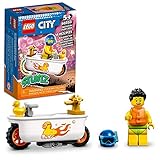
- Features a fun flywheel powered toy motorcycle in the style of a bathtub, a bathing duck, snorkel, mask and lifejacket accessory elements
- Includes everything you need to build flywheel-powered stunt bike, plus a Sudsy Simon LEGO racer minifigure from LEGO City Stuntz
- Children can push the toy motorcycle to activate the flywheel, then release it so that the minifigure can do aerial tricks and wheelies
- The LEGO City Stuntz portable motorcycle toy for boys and girls aged 5+ puts them at the heart of the action - they can play wherever they go!
- Combine this set with other toys from the LEGO City Stuntz collection for even more action and amazing stunts
The figures are relevant to treating fit, training, and preparation as central parts of the decision. They are not a reason to select a particular style or displacement, and they should not be read as a comparison of city and highway motorcycle types.
When you need a model shortlist
A meaningful shortlist depends on details that broad buying guidance cannot supply: your country or market, budget, height and strength, riding experience and license, the city-to-highway split, typical highway speed and distance, and whether you will carry a passenger or cargo. Current specifications and availability also vary by market and model year.
Once those details are clear, compare current manufacturer information and arrange an in-person fit check for each serious candidate. Without that information and a fit assessment, naming a universal winner would overstate what the available guidance establishes.
Quick Recap
Product prices and availability are accurate as of the date/time indicated and are subject to change. Any price and availability information displayed on Amazon at the time of purchase will apply.




