Free tools Windows power users keep installed
One-click scans. No signup required.
Common signs of a worn serpentine belt include a changed rib profile, squealing or chirping, slipping that affects accessories, fluid contamination, and visible damage. None proves by itself that the belt is the cause: noise and accessory problems can also come from tension, alignment, pulleys, bearings, or installation. Inspect the belt and the rest of the drive system, and use your vehicle’s service guidance to decide when replacement is due.
Five signs your serpentine belt may need replacing
1. The ribs look worn or have changed shape
Many modern belts use EPDM rubber, which can lose material from its ribs without developing obvious cracks. Dayco explains that a new belt’s rib grooves have a V-shaped profile; as the ribs wear down, the profile can become more U-shaped. That reduces contact with the pulleys and can contribute to slipping or noise. A wear gauge can help assess the rib profile and depth. Dayco’s belt inspection guidance recommends checking wear at about 60,000 miles; that is an inspection prompt, not a universal replacement interval.
2. You hear squealing or chirping
A squeal or chirp is a reason to inspect the accessory drive, not proof that the belt alone has failed. Possible causes include low tension, misalignment, worn belt ribs, contaminated belt surfaces, worn pulley bearings, or improper installation. Dayco advises checking the system rather than treating noise with belt dressing. Dayco’s troubleshooting guidance also recommends replacing an oil-soaked serpentine belt.
3. Accessories seem to work inconsistently
If belt slip is affecting the accessories it drives, you may notice reduced engine cooling, inconsistent power steering, or poor air-conditioning performance. Gates lists these as possible signs of belt slip caused by wear, but they are not a diagnosis: a mechanic should inspect the belt and related components before attributing the symptoms to it. Gates’ belt-wear guidance recommends beginning belt checks at 60,000 miles.
#1 Best Overall

- Allows for the operation of various pulleys, and drive belt accessories, with the use of a single belt
- Creates a secure point of contact with the pulley, which allows for traction
- Some ACDelco GM Original Equipment parts may have formerly appeared as GM Genuine Parts (OE) or ACDelco Professional
- GM Engineers design and validate OE parts specifically for your Chevrolet, Buick, GMC, or Cadillac vehicle
- Original equipment parts are designed to work with your GM vehicle safety systems -- aftermarket replacement parts may not meet the same OE safety regulations, depending on the part type
4. Oil or another fluid has reached the belt
Motor oil, power-steering fluid, antifreeze, and other petroleum-based lubricants can contaminate and swell an EPDM belt, contributing to noise and poor operation. Find and address the leak as well as replacing an oil-soaked belt; otherwise, the replacement may be exposed to the same problem. Dayco identifies fluid contamination among the possible causes of belt noise in its troubleshooting guidance.
5. The belt is cracked, frayed, or visibly damaged
Cracks, fraying, missing material, or other visible damage warrant inspection and may mean the belt needs replacement. But cracks alone are not a reliable way to judge wear on many modern EPDM belts. Gates notes that such belts can run 100,000 miles or beyond without visible cracks; that describes the possibility of going that far without cracks, not a recommended service life. Gates says, “A far better indicator of wear on EPDM belts is material loss.” Gates Corporation, Accessory Belt Drive System technical tip TT002-15.
Rank #2

- Drives multiple engine functions
- Some ACDelco Gold parts may have formerly appeared as ACDelco Professional
- Premium aftermarket replacement part
- Manufactured to meet specifications for fit, form, and function for General Motors vehicles as well as most makes and models
How to check belt wear
Start with the engine off. Look for contamination, fraying, missing material, and changes to the rib grooves. A wear gauge can provide a more consistent check than appearance alone, but its readings are screening information—not a complete diagnosis.
- Gates: Its procedure presses the wear gauge into the belt grooves with the engine off. If the gauge rocks side to side, Gates’ method indicates wear. Gates’ instructions say to begin checking at 60,000 miles.
- Dayco: The aWEARness gauge checks rib profile, depth, and cracks. Dayco recommends checking for wear at about 60,000 miles. Dayco’s guidance presents this as a check, not a universal replacement schedule.
- Continental: Its gauge checks profile and uneven wear. Continental says the gauge result does not replace professional diagnosis. Continental’s belt guidance directs owners to the vehicle owner’s manual for the recommended replacement interval.
What to inspect if the belt is noisy
A belt can make noise because something else in the drive system is wrong. With the engine off, a qualified person can check tensioner operation and inspect pulley and idler rotation for rough bearings, wobble, or misalignment, as well as look for fluid contamination. Do not reach near the belt or pulleys while the engine is running. If the cause is unclear, have the drive system diagnosed rather than replacing parts based on sound alone.
Quick wins for a faster PC:
Fix the driver behind crashes, sound loss and screen glitchesFind Drivers →Repair Windows errors before they cause bigger problemsFix Now →Rank #3
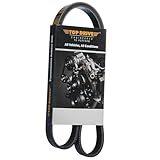
- Reference Number: K060970, 5060970
- Belt Material: EPDM, Cord Material: Polyester, Outside Circumference (inches) 97.60
- Durable & Easy To Install: Designed for quick and hassle-free installation, this serpentine drive belt is made from high-quality EPDM material, known for its exceptional durability. Our automotive replacement belts offer outstanding resistance to extreme temperatures, weathering, and corrosion. A reliable car belt and engine belt for long-lasting performance across a wide range of environments.
- Compatible with Audi: V8 Quattro (1990-1991); Compatible with Chevrolet: Blazer (1990-1994), C1500 (1990-1995), C1500 Suburban (1992-1995), C2500 (1990-1995), C2500 Suburban (1992-1995), C35 (1990-1995), C3500 (1990-1995), C3500HD (1991-1995), G30 (1990-1991), K1500 (1990-1995), K1500 Suburban (1992-1995), K2500 (1990-1995), K2500 Suburban (1992-1995), K3500 (1990-1995), LCF 3500 (2021-2023), LCF 4500 (2021-2022), R2500 Suburban (1990-1991), Suburban (1990-1994), Tahoe (1995-1995),
- Compatible with Chevrolet: V2500 Suburban (1990-1990), LCF 3500HG, LCF 5500HG, LCF 5500XG; Compatible with Dodge: Dynasty (1991-1992); Compatible with Ford: Bronco (1987-1992), E-150 (2002-2003), E-150 Club Wagon (2003-2003), E-150 Econoline (1997-2002), E-150 Econoline Club Wagon (1997-2002), E-250 (2003-2003), E-250 Econoline (1997-2002), F-150 (1987-1996), F-250 (1987-1996), F-350 (1987-1996);
When should you replace the serpentine belt?
There is no single replacement mileage established for every vehicle. The 60,000-mile points from Dayco and Gates are recommendations to start checking for wear, not instructions to replace every belt at that mileage. Follow the interval in your vehicle’s owner’s manual and replace a belt sooner if inspection or diagnosis shows damage, significant rib wear, or contamination. When buying a replacement, confirm fitment for your exact vehicle and engine; belt size and routing are not universal.
Quick Recap
Best Value

- Drives multiple engine functions
- Some ACDelco Gold parts may have formerly appeared as ACDelco Professional
- Premium aftermarket replacement part
- Manufactured to meet specifications for fit, form, and function for General Motors vehicles as well as most makes and models
- Manufactured to meet or exceed strict quality requirements
Rank #4

- Advanced Goodyear Engineering: From V-Belts to Serpentine, Goodyear belts are built for the heat, load, and RPM demands of modern engines
- Built to Last: Heat and abrasion resistant belts with high-tensile strength deliver performance for the toughest automotive and heavy duty applications
- Avoid Breakdowns: Long-lasting, exact-fit replacement belts restore quiet, reliable performance and help prevent unexpected repairs, minimizing operational downtime
- Confirm Fit: Each belt is thoughtfully designed for certain makes and models; please check the Amazon Fitment data and product description for compatibility information
- Length: 45 inch or 1143 mm; Alternate Part Number 6PK1143
Product prices and availability are accurate as of the date/time indicated and are subject to change. Any price and availability information displayed on Amazon at the time of purchase will apply.




