Quick wins for a faster PC:
Fix the driver behind crashes, sound loss and screen glitchesFind Drivers →Clear out junk files and repair common Windows errorsFree Scan →Scan for outdated or missing drivers - takes under a minuteDriver Scan →The 2026 Dodge Charger V8 is not a documented production model: the returned gasoline Charger uses a 3.0-liter twin-turbo SIXPACK straight-six, making 420 horsepower in the R/T and 550 horsepower in the Scat Pack. Dodge also offers a 670-horsepower electric Daytona Scat Pack, but no official 2026 Charger HEMI launch has been announced.
That distinction explains why the Charger can return successfully and still disappoint the buyers who were waiting for it. Dodge has brought back the Charger name, two-door and four-door body choices, and a serious gasoline performance car, but Dodge has not restored the sound, displacement, low-rpm character, or cultural identity associated with a HEMI-powered Charger.
Dodge’s statement that HEMI Charger production ended on December 31, 2023, is the dividing line between the previous generation and the 2026 model. The official Charger FAQ documents that production end, while the current lineup documents the SIXPACK and Daytona alternatives.
Key takeaways
- The documented 2026 Dodge Charger V8 does not return; gasoline models use a 3.0-liter twin-turbo SIXPACK straight-six.
- Dodge rates the 2026 Charger R/T at 420 horsepower and 468 pound-feet of torque, while the gasoline Scat Pack produces 550 horsepower and 531 pound-feet.
- Dodge claims the 2026 gasoline Charger Scat Pack can reach 60 mph in 3.9 seconds and complete the quarter mile in 12.2 seconds.
- The documented 2026 HEMI comeback is a 5.7-liter V8 for the Ram 1500, not a Dodge Charger.
- Official U.S. starting prices are $49,995 for the two-door R/T and $54,995 for the two-door Scat Pack; four-door versions cost $2,000 more before destination, taxes, title, and fees.
- Standard AWD, selectable rear-wheel drive on gasoline models, two body styles, and 37.4 cubic feet of folded-seat cargo space are the new Charger’s strongest practical advantages.
Does the 2026 Dodge Charger have a V8?
No. The 2026 Dodge Charger has no documented production HEMI V8. The gasoline Charger uses Dodge’s Hurricane-derived 3.0-liter twin-turbo SIXPACK straight-six, while the Daytona models use battery-electric power. Dodge’s official 2026 Charger information lists the R/T and Scat Pack gasoline models but does not confirm a V8 version.
Outdated Drivers Are Slowing You Down
One free scan finds every outdated or missing driver and matches the right update for your exact hardware.Free scan · exact hardware matchPC Slower Than It Used to Be?
A free scan shows the junk files, broken settings and background clutter dragging Windows down - then fixes them in one click.Free scan · Windows 10 & 11#1 Best Overall
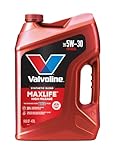
- Formulated for engines with 75,000 miles or more, Valvoline MaxLife High Mileage synthetic blend is formulated with seal conditioners to help prevent oil leaks and reduce oil consumption
- Delivers 20% better wear protection and 15% better sludge defense than industry standards to help prevent engine breakdown
- Extra detergents safeguard against friction, corrosion and deposits to keep high-mileage engines clean
- Advanced friction-fighting additives help maximize performance and improve fuel efficiency
- Provides performance benefits for high mileage, new and re-built engines alike
Dodge says production of the HEMI V8-powered Charger ended on December 31, 2023. The next-generation Charger therefore returns with a multi-energy lineup rather than a direct continuation of the previous V8 formula. That means the Charger name, performance mission, and available two-door and four-door bodies are back, but the HEMI engine that defined the previous generation is not.
The most important distinction is between a gasoline Charger and a V8 Charger. The 2026 model is genuinely gasoline-powered and genuinely fast, but a turbocharged straight-six does not deliver the same displacement, exhaust note, engine rhythm, or cultural meaning as a HEMI V8. Dodge’s Charger FAQ documents the end of HEMI Charger production, while Dodge’s current product and performance pages document the SIXPACK lineup.
What engines and performance figures does the 2026 Charger offer?
The gasoline 2026 Charger offers two versions of the 3.0-liter twin-turbo SIXPACK straight-six. Dodge also offers a 670-horsepower electric Daytona Scat Pack. The figures below are Dodge’s 2026 model-year specifications and acceleration claims, not independent test results.
| 2026 model | Powertrain | Output | Dodge-claimed performance |
|---|---|---|---|
| Charger R/T | 3.0-liter twin-turbo SIXPACK straight-six | 420 horsepower; 468 lb-ft | 0–60 mph in 4.6 seconds; quarter mile in 12.9 seconds |
| Charger Scat Pack | 3.0-liter twin-turbo SIXPACK straight-six | 550 horsepower; 531 lb-ft | 0–60 mph in 3.9 seconds; quarter mile in 12.2 seconds |
| Charger Daytona Scat Pack | Battery-electric powertrain | 670 horsepower | 0–60 mph in 3.3 seconds; quarter-mile figure not stated in the cited material |
Dodge’s official performance specifications provide the R/T and Scat Pack output and acceleration claims. The official 2026 Charger model page identifies the gasoline R/T and Scat Pack alongside the electric Daytona Scat Pack.
The Tool Desk
Outbyte PC Repair FREEClear out junk files and repair common Windows errorsFree Scan →Outbyte Driver Updater FREEFix the driver behind crashes, sound loss and screen glitchesFind Drivers →On paper, the 550-horsepower gasoline Scat Pack is not a timid replacement. The 2026 Charger Scat Pack has more than enough output for serious straight-line performance, and its claimed 3.9-second 0–60-mph time is the kind of number that can satisfy a buyer who primarily wants acceleration. The problem is that V8 shoppers often value what happens before the stopwatch starts as much as the final time.
Is the HEMI coming back in the new Charger?
The documented 2026 HEMI return applies to the Ram 1500, not the Dodge Charger. Stellantis announced a 5.7-liter HEMI V8 with eTorque for the 2026 Ram 1500, but the official Ram announcement does not announce a HEMI-powered Charger.
According to Stellantis’ 2026 preliminary-results transcript, more than 60,000 year-to-date orders had been placed for 2026 Ram 1500 HEMI V8 models, and planned production had sold out. Those figures demonstrate strong HEMI demand in Ram’s truck business; they do not establish that Dodge will install the engine in the Charger. Stellantis’ 2026 preliminary-results transcript is the relevant source for that order statement.
Rank #2
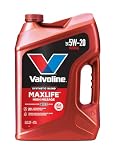
- Formulated for engines with 75,000 miles or more, Valvoline MaxLife High Mileage synthetic blend is formulated with seal conditioners to help prevent oil leaks and reduce oil consumption
- Delivers 20% better wear protection and 15% better sludge defense than industry standards to help prevent engine breakdown
- Extra detergents safeguard against friction, corrosion and deposits to keep high-mileage engines clean
- Advanced friction-fighting additives help maximize performance and improve fuel efficiency
- Provides performance benefits for high mileage, new and re-built engines alike
No official Dodge or Stellantis source reviewed for the 2026 model year confirms a production V8 Charger or provides a launch date for a later V8 Charger. A forum rumor, social-media post, dealer speculation, or anonymous claim should not be treated as evidence that a Charger HEMI is returning.
Do these 3 things before closing this tab:
1Scan for outdated or missing drivers - takes under a minute2Repair Windows errors before they cause bigger problems3Fix the driver behind crashes, sound loss and screen glitchesWhy doesn’t the 2026 Charger have a V8?
The documented reason is Dodge’s new multi-energy product strategy: the 2026 Charger lineup is built around the SIXPACK gasoline straight-six and Daytona battery-electric powertrains. The supplied official material does not give a more specific engineering or business explanation for excluding the HEMI, so claims about the company’s exact internal reasoning would be speculation.
Dodge is repositioning the Charger around several kinds of performance rather than preserving one engine family. The gasoline car supplies familiar internal-combustion character, the electric Daytona supplies the highest horsepower figure, and both are packaged under the Charger name. That strategy broadens the lineup, but it also creates a mismatch with buyers who view a V8 as part of the car’s identity rather than merely one route to a fast 0–60 time.
Why might a V8 buyer reject the 2026 Charger?
The missing V8 is a character problem, not just a horsepower problem
The gasoline Scat Pack’s 550 horsepower and 531 pound-feet of torque exceed the output claims associated with the previous-generation 5.7-liter and 6.4-liter HEMI applications, according to Dodge’s framing of the new Charger. However, the dossier does not provide old HEMI comparison figures, so a precise “faster than every old HEMI Charger” conclusion cannot be made from the available evidence.
A V8 buyer may be shopping for a particular experience: the sound of eight cylinders, the pulse of a large-displacement engine, naturally aspirated response in the former 6.4-liter application, and the emotional connection between the Charger name and HEMI power. A twin-turbo straight-six can be objectively quicker in a particular test and still fail that buyer’s definition of a muscle car.
Standard AWD changes the traditional muscle-car formula
Every 2026 Charger uses standard all-wheel drive, and gasoline versions add a selectable rear-wheel-drive mode. Standard AWD can improve traction and all-weather usability, while rear-wheel drive preserves some of the traditional performance behavior when the driver chooses it. The arrangement is more flexible than rear-wheel drive alone, but it is not the classic rear-drive-only Charger formula.
The fair criticism is therefore not that AWD makes the Charger inferior. The fair criticism is that a buyer seeking a traditional front-engine, rear-drive muscle car is being asked to accept a more traction-focused configuration. Dodge’s performance specifications confirm the standard AWD and gasoline Charger rear-wheel-drive mode.
Rank #3

- Advanced protection against the four main causes of engine breakdown: wear friction heat and deposits
- Delivers 40% stronger wear protection than industry standards to reduce friction and improve fuel economy
- Provides 15% better deposit defense vs. industry standards, keeping engines cleaner for smoother performance and longer-lasting protection
- Up to 2.5X better heat protection vs. industry standards to fight harmful sludge formation and thermal breakdown
- Engineered for excellent low-temperature flow, reducing metal-to-metal contact during cold starts — when most engine wear typically occurs
The price brings serious alternatives into the conversation
The 2026 Charger costs enough that the engine question becomes more consequential. Official U.S. launch pricing places the car above the bargain-performance category, before destination charges, taxes, title, and fees.
| 2026 Charger trim | Body style | Starting MSRP |
|---|---|---|
| R/T | Two-door | $49,995 |
| R/T | Four-door | $51,995 |
| Scat Pack | Two-door | $54,995 |
| Scat Pack | Four-door | $56,995 |
According to Dodge’s official 2026 launch and trim information, four-door versions cost $2,000 more than their two-door counterparts. Dodge’s 2026 Charger trim and pricing page is the appropriate reference for the listed starting MSRPs; final transaction prices can change with destination charges, options, dealer pricing, taxes, and fees.
At those prices, shoppers can reasonably compare a new turbocharged six-cylinder Charger with a V8 Ford Mustang GT, a used HEMI Charger or Challenger, or a premium sport sedan. The available research does not provide current Mustang pricing or performance figures, so the useful comparison is one of priorities rather than an unsupported claim that one model is universally better.
Practicality helps, but practicality cannot create V8 emotion
The 2026 Charger’s four-door body and hidden-hatch layout give it a rational advantage over a conventional coupe. Dodge says the four-door model provides 37.4 cubic feet of cargo space with the rear seats folded. That flexibility can matter to a buyer who wants one car for commuting, passengers, shopping, and weekend performance driving.
Dodge CEO Matt McAlear described the intended role of the car this way: “The Charger R/T is a muscle car that can double as an everyday driver, with an award-winning interior and best-in-class cargo volume.” Dodge’s official R/T announcement attributes that statement to McAlear and presents the R/T as both a performance car and a daily driver.
The four-door Charger’s cargo capacity, the two-door option, and the available rear-wheel-drive mode make the new car more versatile than a simple nostalgia exercise. Those strengths may win over a buyer who wants a fast daily driver. They will not satisfy someone whose primary reason for buying a Charger is the HEMI experience.
How much horsepower does the 2026 Charger Scat Pack have?
The gasoline 2026 Charger Scat Pack has 550 horsepower and 531 pound-feet of torque, according to Dodge’s 2026 model-year performance specifications. The electric Daytona Scat Pack is a separate model with 670 horsepower, so “Scat Pack” alone is not enough to identify the powertrain.
Rank #4
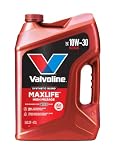
- Formulated for engines with 75,000 miles or more, Valvoline MaxLife High Mileage synthetic blend is formulated with seal conditioners to help prevent oil leaks and reduce oil consumption
- Delivers 20% better wear protection and 15% better sludge defense than industry standards to help prevent engine breakdown
- Extra detergents safeguard against friction, corrosion and deposits to keep high-mileage engines clean
- Advanced friction-fighting additives help maximize performance and improve fuel efficiency
- Provides performance benefits for high mileage, new and re-built engines alike
The gasoline Scat Pack is the relevant version for a buyer who wants internal-combustion performance. Dodge claims 0–60 mph in 3.9 seconds and a 12.2-second quarter mile for that model. Those are manufacturer claims, not a promise that every car will achieve the same result in every environment, with every tire, surface, fuel load, or testing method.
Is the 2026 Dodge Charger Scat Pack worth buying?
The 2026 Dodge Charger Scat Pack is worth buying when the buyer wants a distinctive, very powerful gasoline performance car with standard AWD, selectable rear-wheel drive, and two-door or four-door practicality. The Scat Pack is not worth buying as a substitute for a HEMI if V8 sound and identity are non-negotiable.
| Buyer priority | 2026 Charger fit | Reason and trade-off |
|---|---|---|
| Maximum gasoline Charger performance | Strong | The Scat Pack has Dodge-claimed 550 horsepower, 3.9-second 0–60 mph acceleration, and a 12.2-second quarter mile. |
| V8 sound and HEMI identity | Weak | The 2026 gasoline Charger uses a twin-turbo straight-six, not a documented HEMI V8. |
| All-weather traction | Strong | AWD is standard, and gasoline models can select rear-wheel drive. |
| Daily usability | Strong | The lineup offers a four-door body and a hidden hatch with 37.4 cubic feet of folded-seat cargo space. |
| Lowest purchase price | Conditional | The R/T starts below the Scat Pack, but the two-door R/T still starts at $49,995 before destination and other charges. |
| Traditional rear-drive muscle-car formula | Mixed | The selectable rear-wheel-drive mode helps, but standard AWD changes the default configuration. |
The buying decision comes down to whether the buyer wants a fast car wearing the Charger shape or specifically wants a modern HEMI muscle car. The first buyer has a legitimate reason to consider the R/T or Scat Pack. The second buyer should not expect the new Charger to deliver the experience that made the old V8 cars special.
Free tools Windows power users keep installed
One-click scans. No signup required.
Is the new Charger faster than the old HEMI Charger?
The available material does not support a universal yes or no. Dodge claims the 2026 Scat Pack reaches 60 mph in 3.9 seconds and runs the quarter mile in 12.2 seconds, but the dossier does not provide matching test figures for the old 5.7-liter or 6.4-liter HEMI Chargers.
Dodge presents the new gasoline Charger as a faster and more powerful evolution, but manufacturer claims for different model years are not the same as a controlled comparison. Tires, launch conditions, drivetrain configuration, weather, testing method, and vehicle equipment can all affect acceleration. The defensible conclusion is that the 2026 Charger Scat Pack is seriously quick; the available evidence does not prove that it beats every previous HEMI Charger in every performance measure.
Are 2026 Dodge Charger floor mats available?
Yes. 2026 Dodge Charger floor mats and cargo liners are legitimate ownership accessories, but buyers should verify the exact body style and trim before ordering. Two-door and four-door Chargers can require different fitments, and a product described only as fitting a “2026 Charger” should not automatically be assumed compatible with every configuration.
Mopar lists floor mats and cargo liners among its accessory categories, and current fitment listings identify floor-mat products for the 2026 Charger. Treat the phrase “custom fit” as a prompt to check the product’s vehicle selector, not as proof that the item fits every Charger. Confirm model year, two-door versus four-door body, trim, floor configuration, and return policy before purchase.
What’s actually slowing this PC down?
Pick the symptom - the matching free tool is one click away.
Best Value

- Designed for vehicles with 75,000 miles or more, Valvoline MaxLife Full Synthetic High Mileage Motor Oil helps maximize engine life and performance for the many miles still ahead
- Formulated with seal conditioners to help prevent oil leaks, reduce oil consumption, and improve fuel economy
- Delivers 50% stronger wear protection than industry standards for superior defense against friction and wear
- Provides 20% stronger sludge defense than industry standards to protect against harmful buildup and deposits
- Offers 2.5X better heat protection than industry standards to safeguard engines in extreme conditions
What should you check before buying a 2026 Charger?
- Choose the powertrain first. Select the R/T or gasoline Scat Pack if internal combustion matters, or the Daytona Scat Pack if a 670-horsepower electric model is acceptable.
- Decide whether V8 character is a requirement. If the answer is yes, arrange a test drive only after accepting that the 2026 car has a straight-six, then compare it directly with a Mustang GT or a used HEMI Charger or Challenger.
- Choose the body style. The two-door preserves a coupe-like profile, while the four-door adds passenger access and the hidden-hatch cargo arrangement.
- Try both drivetrain modes on a gasoline car. Standard AWD is useful for traction, while selectable rear-wheel drive addresses some—but not all—of the traditional muscle-car appeal.
- Check the complete price. Add destination charges, taxes, title, fees, options, dealer pricing, and insurance rather than treating starting MSRP as the final cost.
- Verify accessories and recalls by VIN. Check floor-mat fitment against the exact body style and trim, and use current NHTSA or Dodge information for vehicle-specific safety campaigns.
What is the safest conclusion about the 2026 Charger V8?
The safest conclusion is that no documented 2026 Dodge Charger V8 exists in the supplied official material. The Charger returns as a gasoline straight-six and as an electric performance car, while the HEMI returns in the 2026 Ram 1500. Future product announcements could change the lineup, but no V8 Charger launch date is documented here.
Pricing, inventory, ordering status, future powertrain announcements, recalls, and accessory fitment are all volatile. Recheck those details immediately before placing an order, especially because an earlier recall does not automatically apply to the 2026 gasoline Charger.
NHTSA’s April 28, 2026 recall notice concerns certain 2024–2025 electric Dodge Charger vehicles and a possible instrument-panel display failure related to FMVSS 108 and 208. The notice should not be generalized into a 2026 gasoline-Charger recall; use the vehicle identification number and the current official recall databases for a specific car.
NHTSA’s April 28, 2026 safety recall notice identifies the affected model years and vehicle type.
Frequently Asked Questions
Does the 2026 Dodge Charger have a V8?
No. The documented 2026 Dodge Charger lineup uses a 3.0-liter twin-turbo SIXPACK straight-six for gasoline models and battery-electric power for Daytona models. No official 2026 Charger HEMI V8 production announcement or launch date is documented.
Is the HEMI coming back in the new Charger?
The documented 2026 HEMI comeback is the 5.7-liter HEMI V8 for the Ram 1500, not the Dodge Charger. Strong Ram HEMI demand does not confirm a future Charger V8.
How much horsepower does the 2026 Charger Scat Pack have?
The gasoline 2026 Dodge Charger Scat Pack has 550 horsepower and 531 pound-feet of torque. The separate electric Daytona Scat Pack has 670 horsepower, so the powertrain must be specified when comparing Scat Pack figures.
Are 2026 Dodge Charger floor mats available?
Yes, 2026 Dodge Charger floor mats and cargo liners are available through current accessory and fitment listings. Buyers should verify the exact model year, trim, and two-door or four-door body style because fitment should not be assumed across configurations.
Recommended Free Tools
Does the 2026 Dodge Charger have rear-wheel drive?
The gasoline 2026 Dodge Charger uses standard all-wheel drive and offers a selectable rear-wheel-drive mode. The arrangement provides traction and some rear-drive behavior, but it is not the previous rear-drive-only formula.
The Bottom Line
The 2026 Dodge Charger is a fast and practical return of the nameplate, not a return of the Charger HEMI V8. Buy the R/T or Scat Pack for straight-six performance, AWD flexibility, and hatchback practicality; skip it if the sound and identity of a V8 are the reason you want a Charger.




