The 1972 Hakosuka is the final production year of the KPGC10 Skyline Hardtop 2000GT-R—the two-door version of Nissan’s first-generation GT-R. It combined a lightweight, shortened-wheelbase C10 body with the high-revving 1,989cc S20 inline-six, a stripped-down cabin, and the competition record that established the GT-R name in Japanese touring-car racing.
It is important to be precise about the name. “Hakosuka” is an enthusiast nickname for the boxy C10 Skyline GT-R family, while KPGC10 identifies the two-door hardtop. The four-door PGC10 came first, and the later C110 GT-R is the separate “Kenmeri,” not a Hakosuka KPGC10.
As an Amazon Associate I earn from qualifying purchases.
What is a 1972 Hakosuka GT-R?
The 1972 Nissan Skyline GT-R Hakosuka is the KPGC10 Skyline Hardtop 2000GT-R. Nissan’s Heritage Collection identifies it as a 1970-launched model whose production ended in 1972. Therefore, “1972” describes the final model year of the first-generation two-door GT-R rather than a new generation or a turbocharged successor.
Recommended Free Tools
The first GT-R appeared in 1969 as the four-door PGC10. The two-door KPGC10 followed in 1970 with its wheelbase shortened by 70mm. That change reduced weight and improved cornering, making the hardtop the sharper and more recognizable expression of the original GT-R formula.
#1 Best Overall
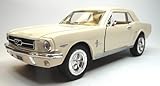
- Authentic 1:36 Scale: Meticulously crafted 1964 1/2 Ford Mustang model car with impressive 5-inch length.
- Realistic Details: Die-cast metal body with opening doors and eye-catching blue finish.
- Interactive Play: Engaging pull-back action for thrilling motion across smooth surfaces.
- Collectible Quality: Ideal for model car enthusiasts and collectors seeking miniature automotive replicas.
- Brand: KiNSMART, a trusted name in die-cast vehicle models and toys.
“Hakosuka” is not Nissan’s formal model name. It is generally understood as a combination of hako, meaning “box,” and suka, a shortened pronunciation of Skyline. The nickname refers to the upright, squared-off C10 shape and can be used broadly for both PGC10 sedans and KPGC10 coupes. For the car in this article, KPGC10 is the exact designation.
KPGC10 specifications
| Specification | 1972 KPGC10 |
|---|---|
| Model | Skyline Hardtop 2000GT-R |
| Chassis code | KPGC10 |
| Engine | Nissan S20, naturally aspirated inline-six |
| Displacement | 1,989cc |
| Valvetrain | Double overhead camshafts, four valves per cylinder |
| Power | 118kW, or 160 PS, at 7,000rpm |
| Torque | 176N·m at 5,600rpm |
| Length | 4,330mm |
| Width | 1,665mm |
| Height | 1,370mm |
| Wheelbase | 2,570mm |
| Listed weight | 1,100kg |
| Front suspension | Independent struts |
| Rear suspension | Independent semi-trailing arms |
| Brakes | Front discs, rear drums |
| Factory tire specification | 6.45H-14-4PR |
| Fuel tank | 100 liters |
These figures come from Nissan’s Heritage Collection listing for the KPGC10. They are useful reference points when examining a restoration, but individual surviving cars may differ because of period competition preparation, later modifications, replacement engines, wheels, brakes, or other alterations.
The S20 engine: the heart of the original GT-R
The KPGC10’s defining mechanical feature is the S20. This naturally aspirated 1,989cc inline-six uses double overhead camshafts and four valves per cylinder, producing its quoted 160 PS at a frenetic 7,000rpm. Maximum torque arrives at 5,600rpm, reinforcing the engine’s high-revving character rather than suggesting a low-speed, torque-heavy power delivery.
The S20’s importance extends beyond the Skyline badge. It grew from Prince and Nissan racing-engine development associated with the R380 program and was also used in the Fairlady Z432. That competition connection helped make the engine central to the GT-R’s identity, although production-car specifications and race-engine specifications should not be treated as interchangeable.
The rest of the car follows the same performance-first logic. Nissan lists a 1,100kg weight, independent suspension at both ends, front disc brakes, and rear drums. The 100-liter fuel tank supported long-distance use, while non-reclining bucket seats and deleted comfort equipment made clear that the GT-R was not intended to be a luxury coupe.
How the hardtop differed from an ordinary C10 Skyline
A standard C10 Skyline can share the Hakosuka’s basic silhouette, but appearance alone does not make it a GT-R. The genuine KPGC10 specification is associated with several important clues:
- Chassis identity: the two-door GT-R is designated KPGC10.
- S20 engine: the correct engine and its associated installation are major authenticity evidence.
- GT-R badging and equipment: badges can be replaced, so they should be considered alongside mechanical and documentary evidence.
- Factory black rear overfenders: these are one of the car’s most recognizable visual features.
- Performance-oriented interior: bucket seats and deleted comfort equipment reflect the original specification.
- Period-correct chassis details: the factory 14-inch tire specification and front-disc/rear-drum arrangement provide useful comparison points.
Many ordinary C10 Skylines have been modified to resemble GT-Rs, and the term “Hakosuka” is sometimes used loosely for both genuine cars and tributes. A serious inspection should confirm the chassis number, engine identity, trim, structural condition, provenance, and period-correct details. Overfenders, badges, wheels, and even engines can be changed; a convincing exterior is not proof of a genuine KPGC10.
Rank #2

- Highly detailed 1:24 scale diecast model kit of 1929 Ford Model A
- Comes with everything needed for assembly including screwdriver
- Features opening parts, rolling wheels and pre-painted metal body
- Easy to assemble, creates fully functional rolling replica model car
- Fun and educational STEM activity for kids to build realistic miniature vehicle
Why the Hakosuka GT-R became famous
The GT-R’s reputation was built in Japanese touring-car racing. Nissan states that the GT-R reached its 50th cumulative victory in March 1972 and had accumulated 52 victories by the time Nissan ended its works activities in October 1972.
The two-door’s shortened wheelbase and lower weight strengthened the car’s competitive position. It is most accurate to say that the KPGC10 contributed to—and became the visual symbol of—the first GT-R’s touring-car dominance. Unless a race-by-race source is available, it would be too broad to attribute every one of the 52 victories exclusively to the two-door hardtop.
This racing context explains why the road car feels unusually purposeful. The KPGC10 was not simply a more powerful Skyline with a special badge. Its engine, reduced weight, suspension layout, sparse interior, large fuel tank, and competition-derived image formed a coherent performance package.
How many were built?
A commonly cited secondary-source breakdown records 832 PGC10 sedans and 1,197 KPGC10 hardtops, for a combined total of 1,945 first-generation PGC/KPGC10 GT-Rs. That breakdown should be identified as a commonly cited figure rather than presented as a Nissan Heritage Collection production statistic.
What’s actually slowing this PC down?
Pick the symptom - the matching free tool is one click away.
The number alone does not determine the value or authenticity of an individual car. Survivorship, originality, documented history, body condition, engine correctness, restoration quality, and market geography all matter. A modified car may be historically interesting but should not automatically be valued or described as an original KPGC10 GT-R.
Buying, inspecting, and authenticating a KPGC10
On a car this old, structural condition and identity are usually more important than a fresh paint finish. Before buying, work through the following checklist:
- Verify the chassis identity. Confirm that the documentation and physical chassis correspond to KPGC10 rather than an ordinary C10 Skyline converted to GT-R appearance.
- Inspect the body structure. Look closely at floors, inner fenders, suspension mounting areas, sills, wheel arches, trunk floor, and repaired crash damage. Rust hidden beneath underseal or a high-quality repaint can be more consequential than visible cosmetic wear.
- Check the overfenders and surrounding metal. Factory black rear overfenders are an important reference detail, but replacements and reproductions exist. Examine mounting points, adjacent metal, and repair quality.
- Establish the engine’s provenance. Confirm whether the car retains an S20, whether the engine number and documentation agree, and whether major internal or external modifications have been made.
- Compare the interior with the claimed specification. Seats, trim, instrumentation, and deleted comfort equipment can help establish whether the car is original, restored, or converted.
- Review the suspension and brakes. Modern upgrades may improve usability, but they change the car from factory specification. Record what is original and what has been replaced.
- Demand documentation. Japanese registration records, import paperwork, restoration invoices, race history, photographs, and ownership records can be more valuable than an unsupported verbal claim.
Search terms such as KPGC10 body panels, Hakosuka overfenders, S20 engine parts, C10 Skyline interior, KPGC10 weatherstripping, and Skyline KPGC10 workshop manual can help locate resources. Compatibility must be checked individually: a part advertised for a later R32, R33, or R34 Skyline GT-R is not automatically suitable for a KPGC10.
Rank #3

- AUTHENTIC REPLICA: Highly detailed 1:40 scale model of the iconic 1957 Chevrolet Bel Air Coupe, measuring 5 inches in length with classic finish
- WORKING FEATURES: Functioning doors that open and close, plus pull-back motor action for interactive play value
- QUALITY CONSTRUCTION: Die-cast metal body construction provides durability and authentic feel, enhanced with detailed plastic components
- REALISTIC DETAILS: Features rubber tires for enhanced realism and smooth rolling action on various surfaces
- DISPLAY WORTHY: Perfect size for collectors and enthusiasts, combining playability with showcase appeal
Restoration and parts availability
Restoring a KPGC10 is a different exercise from maintaining a modern performance car. Rust repair, missing trim, glass, weatherstripping, interior components, and S20-specific parts can determine the project’s cost and duration before mechanical work begins. Reproduction parts may solve a practical problem but can affect originality, fit, finish, and future value.
Quick wins for a faster PC:
Repair Windows errors before they cause bigger problemsFix Now →Fix the driver behind crashes, sound loss and screen glitchesFind Drivers →Clear out junk files and repair common Windows errorsFree Scan →NISMO’s Heritage Parts program is useful evidence that Nissan has supported later R32, R33, and R34 Skyline GT-R components through reissues. It should not be interpreted as proof that a complete, current KPGC10 replacement-parts catalog exists. Confirm chassis compatibility and current availability before ordering anything described broadly as a “Skyline GT-R part.”
Collecting the Hakosuka in miniature and in print
For enthusiasts who cannot buy or restore a genuine KPGC10, a scale model is a practical way to study the car’s distinctive proportions and details. The Nissan Skyline GT-R KPGC10 model kit from Aoshima is a 1/24 representation of the correct two-door hardtop. It is a display or model-building product—not a source of restoration parts—and availability, edition, and marketplace listing should be checked before purchase.
Collectors and restorers may also want a Hakosuka GT-R reference book. Yaesu Publishing’s Japanese-language Hakosuka no Kamigami covers C10 lineage, S20 tuning, modified Hakosuka examples, and maintenance-related subjects. Check the language, edition, condition, and current availability because specialist Japanese automotive books can vary considerably between markets.
Independent reader supportYour contribution helps us test, update, and keep practical guides available for everyone.What is a 1972 Hakosuka worth?
There is no responsible single universal price for a 1972 KPGC10. Collector-market guides and recorded-sale databases can provide context, but they combine different evidence types. Hagerty explains that its valuation guide draws on auction results, asking prices, and private-sale activity, while Classic.com tracks recorded sales for the broader C10 market. Those resources should not be treated as an appraisal of a particular car.
Free tools Windows power users keep installed
One-click scans. No signup required.
A meaningful valuation needs at least the car’s geography, transaction date, condition, originality, restoration quality, engine and chassis evidence, provenance, and whether the sale involved a genuine KPGC10 or a converted C10. Asking prices are not completed-sale prices, and a broad C10-market result is not automatically a KPGC10 result. For a purchase or insurance decision, an independent specialist inspection and documented appraisal are more useful than an eye-catching headline figure.
For creators documenting a Hakosuka
A restoration, garage tour, or historically focused video can add useful evidence that a static listing cannot: cold-start behavior, panel gaps, engine numbers, underbody repairs, interior details, and the difference between original and reproduction parts. If a creator wants to keep an original prerecorded garage or restoration video available as a continuous livestream, a 24/7 automotive YouTube stream service such as StreamNeo may be relevant. Its role is cloud hosting and continuous streaming of creator-owned video, with automatic recovery and no PC or OBS requirement according to its product description. It is a media-production option, not a maintenance or ownership requirement.
How to Keep a Hakosuka Video Live on YouTube
StreamNeo lets creators upload a prerecorded restoration, garage-tour, or historical video and paste a YouTube stream key to turn it into an always-on YouTube Live broadcast. The stream runs in the cloud while the PC stays off, which fits a creator who wants an original Hakosuka video available continuously.
StreamNeo checks stream health every 30 seconds and automatically restarts dropped streams, supporting a more reliable archive channel without manual relaunches. Its 24-hour 720p/30fps trial is free with no card at signup, giving creators a practical way to test the workflow.
Rank #4
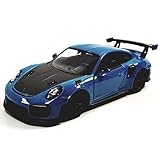
- Doors Open
- Pullback Action
- Die Cast Metal Body
- PULL BACK ACTION WITH FREE ROLLING WHEELS
Frequently Asked Questions
Is every Hakosuka a GT-R?
No. Hakosuka is an enthusiast nickname for the boxy C10 Skyline family, and ordinary C10 Skylines are sometimes modified to resemble GT-Rs. The genuine 1972 two-door GT-R is the KPGC10 and should be verified through chassis, engine, trim, provenance, and structural evidence.
What does KPGC10 mean?
KPGC10 is the chassis designation for the two-door Skyline Hardtop 2000GT-R. The earlier four-door GT-R is the PGC10, while the later C110-generation GT-R is commonly called the Kenmeri.
How powerful was the 1972 Hakosuka GT-R?
Nissan lists the 1,989cc naturally aspirated S20 inline-six at 118kW, or 160 PS, at 7,000rpm, with 176N·m of torque at 5,600rpm.
Did the 1972 Hakosuka have rear disc brakes?
No. Nissan’s Heritage Collection specification lists front disc brakes and rear drums.
The Tool Desk
Outbyte Driver Updater FREEFix the driver behind crashes, sound loss and screen glitchesFind Drivers →Outbyte PC Repair FREERepair Windows errors before they cause bigger problemsFix Now →How rare is the KPGC10?
A commonly cited secondary-source breakdown lists 1,197 KPGC10 hardtops and 832 PGC10 sedans, or 1,945 combined first-generation GT-Rs. The hardtop figure is commonly cited rather than a Nissan Heritage production statistic, and surviving-car condition varies widely.
The Bottom Line
The 1972 Nissan Skyline GT-R Hakosuka is the final-year KPGC10: a shortened-wheelbase, 1,100kg two-door hardtop powered by Nissan’s 160-PS S20 inline-six. Its black rear overfenders and boxy C10 shape made it instantly recognizable, but its real significance came from the focused specification and touring-car record behind the GT-R name. For buyers and restorers, chassis identity, S20 authenticity, rust condition, documentation, and period correctness matter far more than badges or appearance alone.
Quick Recap
Product prices and availability are accurate as of the date/time indicated and are subject to change. Any price and availability information displayed on Amazon at the time of purchase will apply.




