Recommended Free Tools
The best way to make a car faster depends on what you mean by faster: quicker acceleration, more grip, better cornering, or higher top speed. Tires, weight, gearing, power, and aerodynamics affect those goals differently, so no parts list guarantees the same result on every car.
Start with the vehicle’s condition and intended use, then choose compatible changes and measure their results. Treat the 15 ideas below as options to investigate for your specific car—not as a universal ranking or promised gains.
Before You Modify: Define the Goal and Measure the Baseline
Decide whether you want better acceleration, track consistency, cornering grip, or top-speed performance. A change that helps one goal can compromise another: shorter gearing, for example, can improve acceleration while increasing cruising rpm and affecting top speed.
Record the car’s condition and establish a repeatable baseline before changing parts. When comparing power claims, check whether the figure is measured at the crankshaft or wheels: a chassis dynamometer measures power at the wheels and includes driveline losses. Conditions and measurement methods matter too.
What’s actually slowing this PC down?
Pick the symptom - the matching free tool is one click away.
#1 Best Overall
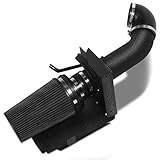
- 【unique】Multilayer finish for durability and corrosion protection.Air Intake Pipe with durable carbon black powder coating for long-lasting good looks,shield to isolate air filter from the rest of the engine compartment.With a unique flared intake tube, that helps the engine to draw in more and colder air.
- 【Compatibility For Silverado】Fits For Silverado 1500 / 1500 HD with 4.8L/5.3L/6.0L Engine 1999-2006 ; Fits For Silverado 2500 / 2500 HD with 5.3L/6.0L V8 Engine 1999-2006 ; Fits For Silverado 3500 with 6.0L V8 Engine 2001-2006 ; Fits For Silverado SS with 6.0L V8 Engine 2003-2006 (Please MATCH your vehicle on the left top)
- 【Replacement for GMC Sierra 】Replacement For GMC Sierra 1500 / 1500 HD with 4.8L/5.3L/6.0L V8 Engine 1999-2006; Replacement For GMC Sierra 2500 / 2500 HD with 5.3L/6.0L V8 Engine 1999-2006; GMC Sierra Denali with 6.0L V8 Engine 2002-2006;
- 【Compatible with Other Vehicles:】Fitr For GMC Yukon Denali /Denali XL with 6.0L V8 Engine 2001-2006 ; Fitr For GMC Yukon Denali XL 1500 with 5.3L V8 Engine 2002-2006 ; Fitr For GMC Yukon Denali XL 2500 with 6.0L V8 Engine 2002-2006 Fitr For Cadillac Escalade with 5.3L/6.0L V8 Engine 2002-2006 ;Fitr For Avalanche 1500 with 5.3L V8 Engine 2002-2006; Fitr For Suburban 1500/2500 with 5.3L/6.0L V8 Engine 2000-2006; Fitr For Tahoe with 4.8L/5.3L V8 Engine 2000-2006
- 【Boosted Power & Torque】 Unlock your engine's full potential with an optimized cold air intake. Experience increased horsepower for sharper acceleration and stronger performance at high speeds. Enhanced torque delivers more responsive throttle control and improved pulling power when climbing or hauling.
Restore lost performance before seeking extra output. Follow the vehicle’s maintenance requirements and address faults, worn components, or poor alignment that could be limiting it. Added power also depends on airflow, fuel delivery, calibration, temperature control, factory safeguards, emissions equipment, and reliability.
15 Modification Ideas to Research for Your Car
These are candidate modification families, not guaranteed upgrades. Check fitment, compatibility, total cost, drivability, safety, and local requirements before choosing parts.
Rank #2
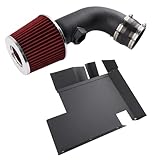
- 【Compatibility & Easy Installation】This cold air intake kit compatible with the following BMW models with N52 engine: 2006 BMW 330i E90 E91 E92 E93; 2007-2011 328i E90 E91 E92 E93; 2008-2011 BMW 128i E82 E88. Please confirm fitment before purchase. Includes detailed, step-by-step instructions & all necessary parts, installs in less than 60 minutes with basic tools. No cutting or drilling required
- 【Power & Torque Improvement】Unlock your engine’s potential with the RiAiCiING cold air intake system. Gains 8-12% horsepower & 6-10% torque. Experience increased horsepower for quicker acceleration. lmproved throttle response provides quicker power delivery
- 【Sporty Induction Sound】Experience a more aggressive and thrilling induction sound with every acceleration. This kit transforms your BMW's driving character, delivering a powerful roar that heightens your excitement behind the wheel
- 【High-Efficiency Air Filter】The multi-layer cotton air filter delivers over 99% filtration efficiency and is fully washable and reusable. Clean it every 20,000 miles to protect your engine from harmful contaminants and debris
- 【High-Flow Cold Air Delivery】The cold air intake kit features a large-diameter aluminum tube with smooth walls and precision bends to reduce airflow restriction and ensure uninterrupted airflow. A steel heat shield blocks engine heat, delivering cooler, denser air for improved engine performance
- Vehicle-appropriate tires: Tires influence grip, braking, and cornering. Select a suitable size and rating for your vehicle and driving conditions.
- Wheel and tire setup: Compare complete wheel-and-tire options for fitment, mass, and intended use. A change that helps one performance goal may bring tradeoffs in another.
- ECU calibration: A calibration can change how the engine operates, but outcomes depend on the engine, fuel, safeguards, and supporting hardware. It is not a promise of safe, unlimited power.
- Forced induction: Turbocharging or supercharging can increase airflow on a compatible setup, but requires consideration of fueling, temperature, calibration, engine limits, and drivetrain capacity.
- Intercooling: For applicable forced-induction setups, assess charge-temperature control as part of the whole system rather than assuming a larger component guarantees more power.
- Fuel-system capacity: Fuel delivery must match the engine’s requirements and calibration. Consider it alongside any proposed airflow or boost changes.
- Intake changes: Evaluate an intake for the specific vehicle and its calibration. A different intake does not guarantee a meaningful gain.
- Exhaust changes: Consider compatible exhaust changes while retaining required emissions equipment. Do not assume intake and exhaust changes add together predictably.
- Gearing or final-drive changes: Different gearing can alter acceleration and engine speed, with possible tradeoffs in cruising and top speed.
- Reducing unnecessary mass: Removing mass can affect acceleration, braking, and handling, but do not remove safety equipment or compromise the vehicle’s structure.
- Suspension setup: Choose components and settings for the car and use case. A stiffer or lower setup is not automatically faster.
- Alignment: Ask a qualified shop about settings appropriate to the vehicle and intended driving. Alignment affects tire behavior and can involve wear and stability tradeoffs.
- Brake upgrades: For repeated track use, assess braking components and heat management as a system. Choose parts suited to the vehicle and conditions.
- Aerodynamic changes: Consider only designs suited to the vehicle and intended speed range. Aerodynamic changes can bring tradeoffs and are not a universal top-speed upgrade.
- Differential, traction, clutch, or transmission support: Depending on the car and modifications, these systems may help deliver or manage torque. Confirm compatibility and drivability implications.
Why Parts and Power Claims Need Context
Engine power generally involves moving more air and matching fuel and spark calibration to the engine’s limits. On modern vehicles, factory safeguards, fuel capacity, heat, emissions equipment, and reliability constrain what changes can safely achieve.
Parts can interact rather than simply stack. In a vehicle-specific Subaru WRX project, Car and Driver reported that intake and exhaust changes did not combine as expected and that the factory ECU’s response made recalibration relevant. That example illustrates why results on one vehicle do not predict results on every vehicle.
Rank #3
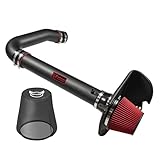
- [Compatibility] - EVIL ENERGY cold air intake compatible for 2011-2023 Chrysler 300 3.6L, 2014-2015 Chrysler 300 C 3.6L, 2011-2023 Dodge Challenger 3.6L, 2011-2023 Dodge Charger 3.6L. Please be sure to check compatibility. Installs in 40 minutes with basic tools
- [Stay Road-Ready] - Unlock your engine’s potential with the EVIL ENERGY cold air intake system. Enjoy a smooth and confident driving feel across varied road conditions. The intake system supports steady vehicle operation during highway cruising, uphill driving, and load-carrying conditions
- [High-Efficiency Air Filter] - The multi-layer synthetic non-woven air filter delivers over 98% filtration efficiency and is fully washable and reusable. The pre-filter blocks larger particles to extend the filter life in dusty environments
- [Cold Air Delivery]- The cold air intake kit features aluminum tube with smooth walls and precision. A steel heat shield blocks engine heat, delivering cooler
- [Hear the Engine Roar] - Hear your engine’s true sound with a deeper, more aggressive tone under acceleration, while maintaining a smooth and quiet ride at cruising speeds. Enjoy the perfect blend of performance and refinement
When comparing results, ask what was measured, how it was measured, and under what conditions. Crankshaft and wheel horsepower are different measurements; a chassis dyno measures at the wheels and includes driveline losses. Do not treat a number without its method and context as a universal result.
5 Performance Claims to Treat with Caution
- “A cold-air intake always adds major horsepower.” Results depend on the specific vehicle, design, and calibration. The WRX example shows that intake changes and their combination with exhaust changes can behave differently than expected.
- “Intake and exhaust gains simply add together.” Parts can interact with each other and with the engine controls. Do not add separate advertised figures and assume they predict the combined result.
- “A tune alone safely unlocks unlimited power.” Calibration remains constrained by fueling, temperature, factory safeguards, hardware, and reliability. Evaluate the whole setup, not just the map.
- “EPA-approved means a retrofit device works.” The U.S. Environmental Protection Agency says its voluntary aftermarket evaluation program does not approve, certify, endorse, or register products. That program is not evidence of a product’s effectiveness.
- “Removing emissions controls is just a performance upgrade.” For U.S. EPA-certified vehicles, the cited EPA-affiliated resource describes emissions-control tampering and defeat devices as subject to federal Clean Air Act restrictions. Check applicable local requirements; this is U.S.-specific guidance.
Choosing and Evaluating Modifications
- Set one primary goal. Define whether you want acceleration, grip, cornering, or repeatability.
- Check the vehicle first. Resolve maintenance needs and identify existing limits before buying parts.
- Research vehicle-specific compatibility. Review fitment, supporting hardware, calibration needs, safety, emissions requirements, and drivability.
- Change one thing at a time where practical. Record the parts, settings, and conditions so you can understand what changed.
- Compare like with like. Use a consistent measurement method and conditions, and distinguish wheel-power readings from crankshaft claims.
FAQ
What is the best first modification to make a car faster?
There is no universal best first modification. The right choice depends on the car’s condition and whether your goal is acceleration, grip, cornering, or track consistency. Establish a baseline and investigate the vehicle’s actual limiting factor.
Rank #4

- ENGINEERED POWER: State-of-the-art air filter media is designed to increase horsepower and acceleration as well as improve overall engine performance
- 4 LAYERS OF PROTECTION: Multiple layers of premium cotton gauze treated with a specially-designed tacking agent work together to create an intricate mesh of engine filter media that is designed to block and trap harmful contaminants
- RUGGED CONSTRUCTION: K&N Universal Air Filters are manufactured with durable, premium materials and state-of-the-art construction methods to last a lifetime
- CLEAN ONCE EVERY 5 YEARS: Engine air filter only needs cleaning every 75,000 miles under normal highway driving conditions (5 years based on the average miles driven per year of 15,000 miles)
- EASY INSTALLATION: K&N Air Filters are pre-oiled and ready to drop into your factory air box- they are one of the easiest and most cost-effective vehicle upgrades for quick performance gains
Do intake and exhaust upgrades always increase power when combined?
No. Parts and engine controls can interact, so combined results may differ from separate claims. A Subaru WRX project reported by Car and Driver is one vehicle-specific example; it does not predict results for every car.
Does an ECU tune guarantee safe extra power?
No. Results and risks depend on the vehicle, fuel, calibration, supporting hardware, temperature, and factory safeguards. A tune is not a substitute for checking the complete setup.
Quick wins for a faster PC:
Scan for outdated or missing drivers - takes under a minuteDriver Scan →Repair Windows errors before they cause bigger problemsFix Now →Best Value

- [Compatibility] - EVIL ENERGY cold air intake compatible for 2014-2018 Chevy Silverado 1500/GMC Sierra 1500 5.3L/6.2L. Please be sure to check compatibility. Installs in 40 minutes with basic tools
- [Stay Road-Ready] - Unlock your engine’s potential with the EVIL ENERGY cold air intake system. Enjoy a smooth and confident driving feel across varied road conditions. The intake system supports steady vehicle operation during highway cruising, uphill driving, and load-carrying conditions
- [High-Efficiency Air Filter] - The multi-layer synthetic non-woven air filter delivers over 98% filtration efficiency and is fully washable and reusable. The pre-filter blocks larger particles to extend the filter life in dusty environments
- [Cold Air Delivery]- The cold air intake kit features aluminum tube with smooth walls and precision. A steel heat shield blocks engine heat, delivering cooler
- [Hear the Engine Roar] - Hear your engine’s true sound with a deeper, more aggressive tone under acceleration, while maintaining a smooth and quiet ride at cruising speeds. Enjoy the perfect blend of performance and refinement
Does “EPA-approved” prove an aftermarket device works?
No. The U.S. EPA says its voluntary aftermarket evaluation program does not approve, certify, endorse, or register products. That statement concerns the U.S. program.
Why do wheel-horsepower and crank-horsepower figures differ?
They come from different measurement setups. A chassis dynamometer measures power at the wheels and includes driveline losses; crankshaft figures refer to a different measurement point. Check the method and conditions before comparing claims.
Quick Recap
Product prices and availability are accurate as of the date/time indicated and are subject to change. Any price and availability information displayed on Amazon at the time of purchase will apply.




