Reliability in a pickup truck isn’t about brochure promises or first-year JD Power scores. It’s about whether the truck still starts every morning after 250,000 miles, whether the transmission keeps pulling without flare or slip, and whether the chassis survives decades of real work. For this ranking, reliability means long-term mechanical survival under abuse, neglect, and heavy use, not pampered garage life.
We built this list the same way seasoned fleet managers and long-haul owners judge trucks: by what lasts, what fails, and what quietly refuses to die. Every truck here earned its place through hard data, historical patterns, and decades of real-world evidence.
Longevity Data Over Marketing Claims
Mileage matters more than model-year hype. We prioritized documented examples of trucks exceeding 200,000, 300,000, and in several cases 500,000 miles without major drivetrain replacement. This includes fleet service records, commercial usage data, and long-term ownership studies where oil changes and brake jobs, not engine swaps, defined the maintenance history.
Trucks that consistently show up in scrapyards due to rusted frames or worn interiors, rather than failed engines or transmissions, score higher. Longevity isn’t theoretical here; it’s measured in odometer digits and how often the powertrain outlives the body bolted to it.
What’s actually slowing this PC down?
Pick the symptom - the matching free tool is one click away.
#1 Best Overall
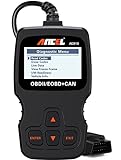
- CEL Doctor: The ANCEL AD310 is one of the best-selling OBD II scanners on the market and is recommended by Scotty Kilmer, a YouTuber and auto mechanic. It can easily determine the cause of the check engine light coming on. After repairing the vehicle's problems, it can quickly read and clear diagnostic trouble codes of emission system, read live data & hard memory data, view freeze frame, I/M monitor readiness and collect vehicle information
- Sturdy and Compact: Equipped with a 2.5 foot cable made of very thick, flexible insulation. It is important to have a sturdy scanner as it can easily fall to the ground when working in a car. The AD310 OBD2 scanner is a well-constructed mechanic tool with a sleek design. It weighs 12 ounces and measures 8.9 x 6.9 x 1.4 inches. Thanks to its compact design and light weight, transporting the device is not a problem. The buttons are clearly labelled and the screen is large and displays results clearly
- Accurate Fast and Easy to Use: The AD310 scanner can help you or your mechanic understand if your car is in good condition, provides exceptionally accurate and fast results, reads and clears engine trouble emission codes in seconds after you fixed the problem. This device will let you know immediately and fix the problem right away without any car knowledge. No need for batteries or a charger, get power directly from the OBDII Data Link Connector in your vehicle
- OBDII Protocols and Car Compatibility: Many cheap scan tools do not really support all OBD2 protocols. AD310 scanner as it can support all OBDII protocols such as KWP2000, J1850 VPW, ISO9141, J1850 PWM and CAN. This device also has extensive vehicle compatibility with 1996 US-based, 2000 EU-based and Asian cars, light trucks, SUVs, as well as newer OBD2 and CAN vehicles both domestic and foreign. Pls confirm with our customer service whether it is compatible with your vehicle before purchasing
- Home Necessity and Worthy to Own: This is an excellent code reader to travel or home with as it weighs less and it is compact in design. You can easily slide it in your backpack as you head to the garage, or put it on the dashboard, this will be a great fit for you. The AD310 is not only portable, but also accurate and fast in performance. Moreover, it covers various car brands and is suitable for people who just need a code reader to check their car
Powertrain Track Records That Span Decades
Engines and transmissions were evaluated by architecture, not just output. Naturally aspirated V8s with conservative redlines, understressed inline-sixes, and diesels known for low specific output all carry an inherent durability advantage. We examined known failure points like timing chain stretch, valve train wear, head gasket longevity, and transmission clutch pack life.
Equally important is how long a powertrain remained fundamentally unchanged. Engines and gearboxes that survived multiple generations with minimal redesign typically did so because they worked. If a manufacturer kept building it for 15 or 20 years, there’s usually a reason.
Owner Usage, Abuse Tolerance, and Real Work
A reliable pickup has to survive bad owners, skipped maintenance, heavy trailers, and full beds without protest. We weighted trucks heavily used by tradespeople, farmers, construction crews, and off-road enthusiasts who demand torque at low RPM and durability over refinement. Weekend cruisers didn’t move the needle unless their mechanicals proved equally resilient under stress.
Owner reports weren’t taken at face value; patterns mattered. When thousands of owners independently report the same strengths and the same minor weaknesses over decades, that consistency is more valuable than any single glowing review. The trucks that rise to the top are the ones owners trust enough to keep indefinitely, pass down, or buy again without hesitation.
Do these 3 things before closing this tab:
1Clear out junk files and repair common Windows errors2Scan for outdated or missing drivers - takes under a minute3Repair Windows errors before they cause bigger problemsReliability Eras Explained: Carbureted Workhorses, Early EFI, and Modern Overbuilt Legends
Understanding why certain pickups dominate reliability rankings requires context. Trucks didn’t all earn their reputations under the same engineering rules, emissions pressures, or customer expectations. Reliability looks different depending on the era, but the common thread is simple: mechanical honesty, conservative design, and the ability to survive abuse.
Carbureted Workhorses: Simple, Overbuilt, and Nearly Indestructible
The carbureted era, roughly from the 1960s through the mid-1980s, produced some of the most mechanically durable trucks ever built. These engines relied on low compression ratios, thick cast-iron blocks, forged internals, and minimal electronics. Horsepower figures were modest, but torque arrived early and stayed consistent, which reduced internal stress.
Failures were rarely catastrophic. A worn carb, tired points ignition, or leaking gasket could usually be fixed roadside with hand tools and basic mechanical knowledge. When these trucks finally died, it was usually from frame rot, cab corrosion, or decades of neglect rather than a spun bearing or cracked block.
Early EFI Trucks: The Sweet Spot of Modern Control and Old-School Strength
The late 1980s through early 2000s represent what many reliability analysts consider the golden age of pickups. Early electronic fuel injection improved cold starts, fuel delivery consistency, and emissions without fundamentally changing engine architecture. Blocks remained thick, redlines stayed conservative, and power increases were incremental rather than aggressive.
Recommended Free Tools
These trucks benefit massively from improved fueling accuracy while avoiding the complexity creep of later systems. Sensors were few, engine bays were accessible, and transmissions were still hydraulic-first designs. This is the era where legendary powertrains earned reputations for 300,000 to 500,000-mile service lives with basic maintenance.
Modern Overbuilt Legends: When Engineering Margins Still Matter
Modern trucks face stricter emissions, higher output demands, and heavier curb weights, which complicates long-term reliability. Yet a select group still stands out by being intentionally overbuilt. These powertrains prioritize low specific output, reinforced internals, robust cooling systems, and transmissions designed to handle torque well beyond their factory ratings.
The most reliable modern pickups aren’t the most advanced on paper. They’re the ones engineered with fleet usage in mind, validated through commercial duty cycles, and designed to survive towing at gross combined weight rating without living on the rev limiter. When modern trucks earn legendary status, it’s because they carry forward the same conservative engineering philosophy that defined the greats before them.
The Ranking Methodology: What It Took to Make the Top 14 (And Why Others Missed)
Understanding why certain trucks achieved legendary reliability requires more than scanning spec sheets or repeating forum folklore. This ranking is built on how trucks actually lived, worked, and aged under real-world abuse. Every model here earned its place through a combination of mechanical durability, historical consistency, and the ability to survive long past the point most trucks are scrapped.
Longevity First, Not Peak Performance
Raw output numbers were deliberately deprioritized. High HP and torque figures mean nothing if the engine can’t sustain them for decades. Trucks that made this list consistently delivered long service lives at conservative redlines, modest specific output, and stress levels well below their theoretical limits.
We looked for engines and transmissions that routinely exceeded 250,000 miles without internal rebuilds. In many cases, the standouts are known to cross 400,000 miles with original rotating assemblies when properly maintained.
Powertrain Architecture That Aged Gracefully
Engine design mattered more than brand loyalty. Cast-iron blocks, forged crankshafts, generous bearing surfaces, and timing systems designed for endurance all carried significant weight. Pushrod V8s, understressed inline-sixes, and low-boost diesels dominate this list for a reason.
Transmissions were judged just as harshly. Units with proven torque capacity, simple hydraulic logic, and wide fluid tolerance consistently outlived more advanced but fragile designs. If a transmission developed a reputation for early failure in fleet use, it was a major strike.
Fleet Data, Not Marketing Claims
Fleet service records were a cornerstone of this ranking. Municipal trucks, utility fleets, construction companies, and oilfield operators push vehicles harder than private owners ever will. Trucks that survived these environments with minimal downtime earned credibility quickly.
We weighted platforms that demonstrated repeatable reliability across thousands of units, not just isolated survivor stories. A truck with one million-mile unicorn examples but widespread average failures did not make the cut.
Failure Modes That Were Manageable, Not Fatal
Every truck fails eventually. What separates legends from liabilities is how they fail. Trucks on this list tend to develop wear-related issues like seals, accessories, or sensors long before catastrophic engine or transmission damage.
Rank #2

- Multi-Functions - Practical Multi-Functions OBD2 code reader features built-in OBD2 DTC lookup library, which help you to determine the cause of the engine light, read code, erase code, view freeze frame, I/M ready, vehicle information, data flow, real-time curve, get vehicle speed information, calculate load value, engine coolant temperature, get engine speed.
- Wide Capability - Supports 9 protocols compatible with most 1996 US-Based, 2000 EU-Based and Asian cars, and newer OBD II & CAN domestic or import vehicles. Supports 6 languages - English,German, Dutch, Spanish, French, Italian.
- 2.8" LCD Display - Designed with a clear display 2.8" Large LCD screen - white backlight and contrast adjustment. No need any battery or charger, OBD reader gets the power directly from your vehicle through the OBDII Data Link Connector.
- Compact Design - Car diagnostic scanner is equipped with a 2.5 feet long cable and made of a very thick flexible insulator.There are 6 buttons on OBD2 Scanner:scroll up/down,enter/exit and buttons that quick query VIN vehicle number& the DTC fault code.
- ABS / Airbag codes NOT Supported - It is able to read and clear check engine information which is part of OBDII system, but it cannot work with non-OBDII systems, including ABS / Airbag / Oil Service Light, etc.
Designs that allowed continued operation despite minor faults scored higher. Limp-home capability, mechanical fallback systems, and forgiving tolerances matter immensely when trucks age beyond their intended service life.
Quick wins for a faster PC:
Repair Windows errors before they cause bigger problemsFix Now →Fix the driver behind crashes, sound loss and screen glitchesFind Drivers →Maintenance Reality for Real Owners
Ease of service played a critical role. Trucks that require cab removal for basic repairs or specialized diagnostic tools to function were penalized. Accessibility, parts availability, and mechanical simplicity extend a truck’s usable life far more than theoretical engineering advantages.
If a powertrain could be maintained with standard tools, widely available parts, and clear service procedures, it gained ground in the rankings. Reliability isn’t just about not breaking; it’s about being economically viable to keep alive.
Consistency Across Model Years
One-hit wonders were excluded. A single great engine buried in an otherwise problematic generation wasn’t enough. The trucks that made the Top 14 delivered reliability across multiple years, configurations, and use cases.
This also explains why some popular trucks missed the list. Mid-cycle redesigns, cost-cutting revisions, or emissions-driven changes often diluted once-great platforms. Consistency over time mattered more than a strong debut.
Why Some Beloved Trucks Didn’t Make It
Several iconic pickups failed to qualify due to chronic transmission issues, head gasket failures, timing system weaknesses, or electrical complexity that didn’t age well. Others were victims of chasing power density at the expense of thermal and mechanical margins.
These trucks may still be excellent to own in the short term. But this ranking is about surviving decades, not lease cycles or warranty periods. Only the trucks that proved they could take abuse, neglect, and time itself earned a place in the Top 14.
Ranks 14–11: Underrated Long-Haul Trucks That Quietly Built Bulletproof Reputations
Before we reach the universally praised legends, it’s worth examining the trucks that earned their reputations the hard way. These pickups rarely dominated marketing campaigns or bench-racing forums, yet they stacked mileage through contractor abuse, fleet duty, and rural ownership where failure wasn’t an option. Each of these trucks reflects the principles outlined above: conservative engineering, serviceability, and mechanical tolerance that allowed them to age with dignity.
Rank 14: Chevrolet Silverado 2500HD (2001–2006, LB7/LBZ Era)
The early GMT800 Silverado HDs were work-first machines built before complexity crept into heavy-duty trucks. The Duramax LB7 and later LBZ diesels delivered massive torque with relatively simple fuel and emissions systems, especially by modern standards. When paired with the Allison 1000 transmission, this powertrain combination became legendary for surviving towing abuse well past 300,000 miles.
Crashes, No Sound, or Screen Glitches?
Random freezes, missing sound and display glitches usually trace back to one bad driver. Find and replace yours safely.Free scan · under a minuteWindows Errors? Fix Them Before They Spread
Repair common Windows errors and clear accumulated junk for a smoother, more stable PC - no reinstall needed.Free scan · no reinstallThese trucks benefited from stout frames, straightforward suspension layouts, and excellent parts availability. Injector issues on early LB7s are well-documented, but once addressed, the rest of the platform proved remarkably durable. For owners who maintained cooling systems and driveline components, these HD Chevys just kept hauling.
Rank 13: Nissan Titan (2004–2015, First Generation)
The first-generation Titan never enjoyed the sales success of domestic half-tons, but its reliability record is stronger than many realize. The 5.6-liter VK56DE V8 is an understressed, naturally aspirated engine with a timing chain and generous oil capacity, making it tolerant of long service intervals and heavy use. Power delivery was smooth, predictable, and mechanically simple.
Fleet data and long-term owner reports consistently show Titans crossing 250,000 miles with original engines and transmissions. Rust protection was better than average for the era, and the chassis held up well under towing loads. The Titan’s biggest flaw was its branding, not its engineering.
Rank 12: Toyota T100 (1993–1998)
Often overshadowed by the Tacoma and Tundra, the T100 was Toyota’s quiet experiment in long-term durability. Powered primarily by the 3.4-liter 5VZ-FE V6, this truck emphasized reliability over outright performance. That engine is famous for surviving extreme mileage with minimal internal wear when basic maintenance is followed.
The T100’s body-on-frame construction, conservative gearing, and simple electronics allowed it to thrive in harsh environments. While it lacked the payload of domestic rivals, it rarely failed catastrophically. Many are still on the road today, serving as proof that modest output paired with robust design can outlast flashier competitors.
Rank 11: Ford F-150 (1997–2003, 4.6L 2V Modular V8)
Not all Modular engines deserve the criticism they often receive, and the 4.6-liter 2-valve V8 is the exception that proves the rule. This powerplant favored longevity over power density, running cooler and placing less stress on internal components. When maintained properly, it routinely surpassed 300,000 miles without major internal work.
The tenth-generation F-150 paired that engine with simple transmissions, durable frames, and manageable electronics. These trucks were easy to service, cheap to keep running, and forgiving of neglect. For countless owners, this generation became a dependable tool rather than a disposable asset.
Together, these trucks form the foundation of the ranking. They didn’t chase trends or overpromise performance; they focused on doing the job day after day. As we move further up the list, the reputations only grow stronger, but the philosophy remains the same: durability always wins in the long run.
Free tools Windows power users keep installed
One-click scans. No signup required.
Ranks 10–7: Proven Fleet and Tradesman Favorites with Million-Mile Potential
As the list climbs, a clear pattern emerges. These trucks weren’t designed to impress on paper; they were engineered to survive abuse, deferred maintenance, and full workweeks without complaint. Fleet buyers, contractors, and rural owners trusted them because downtime cost money, and these platforms simply refused to quit.
Rank 10: Chevrolet Silverado 1500 / GMC Sierra 1500 (1999–2006, 5.3L Vortec)
The GMT800 half-tons built GM’s modern reputation for durability, and the 5.3-liter LM7 V8 is the cornerstone of that legacy. With a cast-iron block, conservative cam profiles, and low specific output, it thrives under sustained load without overstressing internals. Oil consumption was minimal when maintained, and bottom ends regularly survived 350,000 miles untouched.
Rank #3
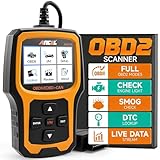
- Understand Your Check Engine Light – The ANCEL AD410 OBD2 scanner helps everyday drivers quickly read and clear engine-related fault codes, view code definitions, and understand why the check engine light is on before visiting a repair shop. With 42,000+ built-in DTC lookups, this car code reader helps reduce guesswork and makes basic vehicle diagnostics easier for beginners and DIY users
- Full OBD2 Diagnostics Made Simple – More than a basic engine code reader, this OBD2 scanner diagnostic tool supports key OBDII functions including reading/clearing codes, live data, freeze frame, I/M readiness, O2 sensor test, EVAP test, vehicle information, and MIL status. It helps you check your car’s condition, verify repairs after the issue is fixed, and communicate with mechanics more confidently
- Live Date & Real-time Vehicle Insights – View real-time engine data such as RPM, coolant temperature, fuel trim, oxygen sensor readings, and other available OBD2 parameters directly on the screen. These live data readings help you better understand how your vehicle is running, spot abnormal patterns, and make more informed repair decisions instead of relying only on a warning light
- Smog Check Readiness At A Glance – Use the I/M readiness function before a smog check or emissions inspection to see whether your vehicle’s monitors are ready. This OBD2 code scanner helps you confirm if recent repairs have brought the system back to a ready state, reducing the chance of failed inspections, retests, wasted trips, and unnecessary inspection fees
- Works With Most OBD2 Vehicles – Compatible with most 1996 and newer U.S.-based OBD2 cars, SUVs, and light trucks, as well as many 2000 and newer EU/Asian OBD2 vehicles. Supports major OBDII protocols including CAN, ISO9141, KWP2000, J1850 VPW, and J1850 PWM. This automotive diagnostic scanner is designed for wide vehicle coverage; please check compatibility with your vehicle before purchase
These trucks became fleet staples because everything about them was straightforward. The frames resisted cracking, the 4L60E was serviceable and predictable, and parts availability was unmatched. For tradespeople who needed a daily driver that could also tow on weekends, this generation earned its keep.
Rank 9: Toyota Tacoma (1995–2004, 3.4L V6)
The first-generation Tacoma cemented Toyota’s reputation for small-truck longevity. Its 3.4-liter 5VZ-FE V6 is famously under-stressed, relying on thick cylinder walls, a timing belt with generous service intervals, and excellent cooling capacity. Power was modest, but mechanical sympathy was built into every component.
The Tool Desk
Outbyte PC Repair FREERepair Windows errors before they cause bigger problemsFix Now →Outbyte Driver Updater FREEScan for outdated or missing drivers - takes under a minuteDriver Scan →These trucks excelled in fleet and utility use where payloads were reasonable but reliability was non-negotiable. Frames and suspension components aged well, and drivetrain failures were rare even past 300,000 miles. Many Tacomas from this era are still working today, often with original engines and gearboxes.
Rank 8: Ford Super Duty F-250/F-350 (1999–2003, 7.3L Power Stroke)
Few engines have a reputation as unshakeable as the 7.3-liter Power Stroke. With forged internals, low RPM operation, and conservative fueling, this diesel was built for longevity first and performance second. In fleet service, 500,000 miles was common, and million-mile examples are well-documented with basic maintenance.
Beyond the engine, the Super Duty platform itself was brutally overbuilt. Solid axles, massive cooling systems, and stout transmissions made these trucks ideal for towing and vocational work. They were loud, slow by modern standards, and utterly dependable, which is exactly why they’re still prized today.
Rank 7: Chevrolet Silverado 2500HD (2001–2006, 6.0L Vortec)
Overshadowed by diesel options, the 6.0-liter Vortec HD trucks quietly became some of the most reliable heavy-duty gasoline pickups ever produced. This engine favored displacement over complexity, producing torque without high RPM stress. Valve train durability and bottom-end strength were standout traits, even under continuous load.
Do these 3 things before closing this tab:
1Fix the driver behind crashes, sound loss and screen glitches2Clear out junk files and repair common Windows errors3Scan for outdated or missing drivers - takes under a minuteMunicipal fleets and contractors loved these trucks because they were predictable and easy to service. The frames and suspension components handled plows, service bodies, and trailers without fatigue-related failures. While not flashy, the 2500HD proved that simplicity and overengineering still pay dividends over decades of use.
Ranks 6–4: Engineering Icons Known for Indestructible Engines and Transmissions
By this point in the ranking, the conversation shifts from simply “reliable” to mechanically legendary. These trucks earned their reputations not through marketing or novelty, but through engines and transmissions that tolerated abuse, neglect, and extreme duty cycles without complaint. They represent the era when overengineering was still a core design philosophy.
Rank 6: Toyota Tundra (2000–2006, 4.7L 2UZ-FE V8)
Toyota’s first-generation Tundra surprised the industry by proving a full-size pickup could be both refined and brutally durable. The 4.7-liter 2UZ-FE V8 was derived from Toyota’s Land Cruiser program, featuring a cast-iron block, forged internals, and conservative tuning that prioritized longevity over peak output. These engines routinely surpass 400,000 miles with original bottom ends.
Equally important was the drivetrain behind it. The A340-series automatic transmissions were not stressed by the V8’s modest power delivery, and cooling systems were generously sized. Owners consistently report minimal oil consumption, stable compression, and timing belt intervals that, when respected, keep the engine effectively immortal.
Free tools Windows power users keep installed
One-click scans. No signup required.
Rank 5: Dodge Ram 2500/3500 (1994–2002, 5.9L Cummins)
No list of indestructible pickups is complete without the 5.9-liter Cummins inline-six. Whether in 12-valve or early 24-valve form, this engine was built like stationary industrial equipment, not a consumer truck motor. Massive bearing surfaces, low-RPM torque production, and mechanical simplicity made half-million-mile lifespans routine.
The real magic was how tolerant these trucks were of hard labor. Manual transmissions like the NV4500 paired exceptionally well with the Cummins’ torque curve, while even the automatics survived when maintained and not pushed beyond design limits. Farmers, tow operators, and fleet managers trusted these Rams because they simply refused to quit.
Rank 4: Ford F-150 (1997–2003, 4.6L and 5.4L 2-Valve Triton)
Before complexity crept in, Ford’s modular V8s were paragons of durability. The 2-valve 4.6-liter and 5.4-liter Tritons used thick blocks, robust crankshafts, and straightforward valvetrain designs that aged gracefully. With proper oil changes, these engines commonly reached 300,000 miles without internal repairs.
What elevated these F-150s was system-level reliability. The transmissions, differentials, and cooling components were well-matched to the engines’ output, avoiding chronic overstress. These trucks became fixtures in construction fleets and rural America because they started every morning, hauled what was asked of them, and rarely demanded more than routine maintenance.
Ranks 3–2: Global Legends That Redefined What a Reliable Pickup Could Be
By this point in the rankings, we move beyond regional success stories and into trucks that earned their reputations across continents. These are pickups that survived brutal climates, poor fuel quality, minimal maintenance, and constant heavy use, often far from any dealership. Their reliability wasn’t theoretical; it was proven in deserts, jungles, mines, and war zones.
Rank 3: Toyota Hilux (1984–2004)
If there is a single pickup that cemented Toyota’s global reputation for durability, it’s the Hilux. The late 1980s through early 2000s models, particularly those powered by the 22R, 22RE, and naturally aspirated diesel engines like the 2L and 3L, were engineered with almost obsessive conservatism. Cast-iron blocks, gear-driven timing components, and low specific output meant these engines were never stressed.
What made the Hilux exceptional was its total system resilience. Manual transmissions, solid rear axles, and simple leaf-spring suspension tolerated constant overloading without cascading failures. In regions where oil changes were optional and roads barely existed, these trucks still accumulated 300,000 to 500,000 miles with original engines.
The Hilux also redefined what “reliable under neglect” truly meant. Cooling systems were oversized, electronics were minimal, and tolerances were forgiving of dust, heat, and contaminated fuel. This wasn’t just a dependable pickup; it was a mechanical survival tool that earned its legendary status the hard way.
Crashes, No Sound, or Screen Glitches?
Random freezes, missing sound and display glitches usually trace back to one bad driver. Find and replace yours safely.Free scan · under a minuteWindows Errors? Fix Them Before They Spread
Repair common Windows errors and clear accumulated junk for a smoother, more stable PC - no reinstall needed.Free scan · no reinstallRank 2: Toyota Land Cruiser 70 Series Pickup (1984–Present)
The 70 Series Land Cruiser pickup is not just reliable by automotive standards; it’s reliable by industrial standards. Built on a heavy-duty ladder frame with solid axles front and rear, this truck was designed to operate indefinitely in environments where failure simply isn’t acceptable. Mines, NGOs, militaries, and oil fields chose it for one reason: it always comes back.
Rank #4
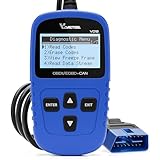
- 【A MUST-HAVE SCANNER TOOL FOR DIYERS】 - VDIAGTOOL VD10 car code reader is an incredibly useful, handheld obd2 scanner for each car owner or hobbyist, even for those with little to no experience when it comes to vehicle mechanics! Similar to a fixd car diagnostic tool, using this car diagnostic scanner is extremely easy. All you have to do is attach it to your car OBDII port and you can diagnose car problems in seconds! Read Codes (DTCs); Clear Codes; Live Data; View Freeze Frame; I/M Readiness; Vehicle Information.
- 【KEEP ENGINE IN GOOD STATUS】 - VDIAGTOOL check engine code reader brings a fast access to scan, read the car fault code, show its definition on the screen instantly, troubleshooting to find the root causes of problems, erase the engine fault code and turn off the MIL (Malfunction Indicator Light). Similar to a fixd car diagnostic tool, this car code reader helps ensure your engine stays in top condition.
- 【READ/CLEAR CODES & DTC LOOKUP】- No search online & saving your time, this vehicle car code reader retrieves generic (P0, P2, P3, and U0), manufacturer specific (P1, P3, and U1) codes, pending codes and displays DTC definitions based on the built-in database(more than 3000 codes) on the TFT screen, find out the root causes and clear the codes after fixed.
- 【ENHANCED OBD2 SCANNER WITH LIVE DATA & RETRIEVE FREEZE FRAME】 - This diagnostic scan tool for accurate diagnosis enables you to retrieve data from vehicle sensors, such as Engine RPM, Intake air temperature, Short/Long term fuel, Misfire data and etc. The freeze frame is stored in the PCM together with the diagnostic trouble code (DTC) related to the fault. Comparable to a fixd car diagnostic tool, the VD10 car code reader car scanner can be a valuable & practical diagnostic aid and also greatly help when diagnosing intermittent problems.
- 【I/M READINESS for THE S-nn-0-g CHECK】- OBDII vehicle may not pass the annual inspection unless the required monitors since reset are complete. So you should at least read the readiness monitors and make sure they are ready. This car obd2 scanner diagnostic tool is equipped with I/M readiness function to check the operations of the e-m-issi0n system on OBD2 compliant vehicles, run I/M monitor readiness test, checking if the pass vehicle s-m-0-g inspection.
Engine options like the 1HZ 4.2-liter inline-six diesel and later V8 diesels prioritized torque, thermal stability, and service life over power output. These engines run at low RPM, use massive bearing surfaces, and are famously understressed, making million-kilometer lifespans achievable with basic maintenance. Turbocharging, when present, was conservative and never pushed component limits.
Equally critical was Toyota’s refusal to overcomplicate the platform. Manual gearboxes, mechanical fuel injection in earlier models, and minimal electronics ensured field repairs were possible almost anywhere on Earth. The 70 Series didn’t just raise the bar for pickup reliability; it established a benchmark that many manufacturers still quietly chase today.
Independent reader supportYour contribution helps us test, update, and keep practical guides available for everyone.Rank #1: The Most Reliable Pickup Truck of All Time — Why It Earned the Crown
If the Land Cruiser 70 Series is industrial-grade indestructible, then the first-generation Toyota Tacoma is reliability perfected for everyday life. This is the truck that quietly outlasted everything else, not in mines or war zones, but in driveways, job sites, fleets, and commuter traffic for decades. When real-world mileage, owner data, and mechanical survival rates are stacked side by side, the Tacoma rises to the top with unnerving consistency.
This wasn’t about brute strength or overengineering for extreme duty. The Tacoma won because it blended simplicity, durability, and usability better than any pickup ever built.
The Powertrains That Refused to Die
At the heart of the Tacoma’s dominance are engines that became reliability legends in their own right. The 2.7-liter 3RZ-FE inline-four and the 3.4-liter 5VZ-FE V6 were masterpieces of conservative engineering. Cast-iron blocks, forged internals, low compression ratios, and timing chains or belts with generous service intervals kept internal stress remarkably low.
These engines rarely chased peak horsepower numbers. Instead, they delivered usable torque, stable oil pressure, and exceptional thermal control, even when pushed hard for years. It’s no accident that documented Tacomas routinely exceed 400,000 miles on original long blocks, with some verified cases crossing the million-mile mark.
Drivetrains Built for Abuse, Not Excuses
The Tacoma’s manual transmissions and Aisin-sourced automatics were brutally simple and massively overbuilt for the truck’s curb weight. Clutches lasted, synchros held up, and differentials rarely failed unless lubrication was completely ignored. Four-wheel-drive models used robust transfer cases with minimal electronic interference, making them dependable both on trails and in winter fleets.
The ladder-frame chassis struck a perfect balance. Stiff enough to haul and tow without fatigue cracking, yet light enough to avoid the corrosion and suspension wear that plagues heavier trucks. Solid rear axles with leaf springs were tuned for longevity, not ride comfort headlines.
Reliability Through Restraint, Not Innovation
What truly separated the Tacoma from every competitor was Toyota’s discipline. Electronics were limited, wiring was conservative, and critical systems were designed with redundancy rather than cleverness. Cooling systems were oversized, sensors were few, and failure points were obvious and serviceable.
This meant fewer cascading failures as the truck aged. A bad component rarely took others with it, which is why old Tacomas are still economically viable to repair even after decades of use.
Proven Everywhere, By Everyone
The Tacoma didn’t earn its crown through mythology or extreme stunts. It earned it through plumbers, landscapers, delivery drivers, off-roaders, and families who simply never needed to replace theirs. Fleet data consistently shows lower lifetime repair costs than any full-size or midsize competitor, while owner reports remain among the most positive in automotive history.
Quick wins for a faster PC:
Clear out junk files and repair common Windows errorsFree Scan →Fix the driver behind crashes, sound loss and screen glitchesFind Drivers →Repair Windows errors before they cause bigger problemsFix Now →Unlike specialty vehicles that survive because they’re niche, the Tacoma survived because it was everywhere. High production volume, relentless daily use, and an absurd survival rate created a data set no other pickup can match.
Why It Ultimately Beats the Legends
The Hilux proved a truck could survive neglect. The Land Cruiser 70 proved a truck could survive anything. The Tacoma proved a truck could survive real life indefinitely.
It didn’t require extreme conditions to demonstrate its strength. It simply refused to wear out. That quiet, relentless durability is why the Toyota Tacoma stands alone at the top, not just as a reliable pickup, but as the most reliable pickup truck ever built.
What Actually Makes These Trucks Last: Engines, Transmissions, Frames, and Simplicity
Once you strip away brand loyalty and nostalgia, the trucks that survive the longest all follow the same engineering playbook. Different badges, different eras, but remarkably similar mechanical priorities. Longevity isn’t accidental, and it’s never the result of a single component.
What’s actually slowing this PC down?
Pick the symptom - the matching free tool is one click away.
Engines Built to Work Below Their Limits
The most reliable pickup engines in history share one trait: they are understressed. Peak horsepower numbers were secondary to torque delivery, thermal stability, and internal strength. Long-stroke designs, conservative compression ratios, and modest redlines kept bearing loads and piston speeds in check.
Cast iron blocks dominate this list for a reason. They tolerate heat cycles, detonation, and abuse far better than lightweight alternatives, especially when oil changes get skipped or cooling systems aren’t perfect. When aluminum engines do appear among the legends, they’re usually overbuilt, low-output designs with generous cooling capacity.
Transmissions That Prioritized Durability Over Speed
Manual transmissions earned their reputation through simplicity. Thick gears, wide synchros, and minimal electronic integration meant fewer failure modes and easier rebuilds. Clutches were cheap, replaceable wear items, not integrated systems tied into software logic.
Automatic transmissions that survived long-term use did so by being unapologetically old-school. Fewer gears, larger fluid capacities, robust torque converters, and conservative shift programming kept internal temperatures low. The infamous failures almost always came when manufacturers chased fuel economy or shift speed at the expense of hydraulic margin.
The Tool Desk
Outbyte PC Repair FREEClear out junk files and repair common Windows errorsFree Scan →Outbyte Driver Updater FREEFix the driver behind crashes, sound loss and screen glitchesFind Drivers →Best Value

- 【Diagnose Check Engine Light in Seconds – No Mechanic Needed】The FOXWELL NT301 OBD2 scanner instantly reads & clears engine fault codes (DTCs) with one click. Simply plug into the 16-pin DLC port, turn ignition on, and get accurate results within seconds—No prior car knowledge required. Save hundreds on dealership fees by knowing exactly what’s wrong before you visit a shop. The #1 choice car scanner for DIYers and car owners who want to take control of their vehicle’s health
- 【Clear & Reset CEL with Confidence】Unlike cheap code readers that just erase codes temporarily, NT301 works like all professional vehicle code readers: It clears the check engine light only after you’ve fixed the underlying issue. If the problem isn’t fully repaired, the fault code will reappear. So you’ll never get a false pass. Use the foxwell scanner to verify your repair work and drive with peace of mind
- 【Sm-og Check Helper – Know Your Pass/Fail Status Before the Test】With dedicated one-click I/M readiness hotkeys and a simple Red-Yellow-Green LED indicator, you’ll instantly know if your vehicle is ready for annual testing. Built-in speaker provides clear audio feedback. No guesswork—just confidence before you head to the test center. One less thing to worry about when inspection day comes
- 【Advanced OBDII Modes – O- 2 Sensor & EVAP Testing】NT301 go beyond basic code reading with enhanced OBD2 modes. Run an EVAP system check to assess fuel tank condition, and use the O- 2 sensor test to optimize air-fuel ratio, boosting fuel economy, cutting em- issions, and saving you money at the pump. The code reader for cars and trucks is like having a mini em-issions lab in your glove box
- 【Live Data Graphing – Spot Engine Issues in Real Time】View and log live sensor data in easy-to-read graphs with this OBD2 scanner diagnostic tool. Monitor ox- ygen sensors, fuel trims, coolant temperature, RPM, and more to spot suspicious values instantly. This obd scanner gives you professional-grade insight without the pro price tag—a feature you won’t find on basic $20 car code readers
Frames That Were Designed for Fatigue, Not Just Strength
A pickup frame doesn’t fail because it isn’t strong enough on day one. It fails after millions of load cycles, corrosion exposure, and torsional stress. The trucks that last used fully boxed or well-braced ladder frames with predictable flex characteristics, not overly rigid designs that crack or overly light ones that twist themselves to death.
Crucially, these frames were paired with suspension components sized for longevity. Leaf springs, solid axles, and simple bushings may not win ride quality awards, but they survive neglect and abuse better than complex multi-link setups ever could.
Simplicity as a Reliability Multiplier
Every sensor, module, and actuator added to a truck increases capability, but it also increases failure probability over time. The most reliable pickups limited electronics to systems that were either mission-critical or proven durable. Wiring looms were thick, connectors were weather-sealed, and control logic was intentionally conservative.
This restraint prevented small issues from cascading into expensive failures. When something did break, diagnosis was straightforward, parts were accessible, and repairs didn’t require proprietary tools or software. That serviceability is a massive reason these trucks stayed on the road long after others were scrapped.
Recommended Free Tools
Overengineering Where It Actually Matters
The best long-lived pickups weren’t overbuilt everywhere. They were selectively overbuilt. Cooling systems were oversized. Driveline components had generous safety margins. Oil capacities were larger than necessary. These choices didn’t show up on spec sheets, but they paid dividends at 200,000 miles and beyond.
That philosophy explains why fleet operators, rural owners, and tradespeople independently gravitated toward the same trucks. When downtime costs money, durability becomes obvious fast, and the market has a long memory.
Why Reputation Follows Reality
Reliability legends aren’t created by marketing or isolated high-mileage anecdotes. They’re forged through massive production numbers, hard use, and repeatable outcomes across decades. The trucks ranked here earned their status because owners, fleets, and mechanics all reached the same conclusion independently.
When engines survive abuse, transmissions avoid catastrophic failure, frames resist fatigue, and electronics stay invisible, a pickup doesn’t just last. It becomes part of the landscape, quietly proving that good engineering ages better than any trend.
Buying One Today: Best Years to Target, Red Flags to Avoid, and Ownership Expectations
By this point, the pattern should be clear. The most reliable pickups didn’t become legends by accident, and buying one today is about understanding where that engineering sweet spot intersects with age, mileage, and prior use. A smart purchase leans into proven years, avoids known weak points, and sets realistic expectations for what ownership actually looks like in 2026.
Best Years to Target: Where Engineering and Simplicity Overlap
Across nearly every truck on this list, the safest bets cluster just before major redesigns or emissions overhauls. Think late-production years of a generation, when manufacturers had resolved early issues but hadn’t yet added complexity. Examples include late-90s to early-2000s Toyota Tacomas and Tundras, 1999–2006 GM HD trucks with the LB7 or early LBZ Duramax, and 1992–1997 Ford F-Series with the 7.3 IDI or early Power Stroke.
Gas trucks follow the same logic. The 1996–2004 Toyota 3.4L V6, Ford’s 4.9L inline-six through the mid-90s, and GM’s iron-block 5.3L and 6.0L V8s before cylinder deactivation are reliability high points. These engines combine mechanical robustness with electronics that enhance drivability without dominating the system.
If you’re shopping older, prioritize documented maintenance over low mileage. A 250,000-mile truck with consistent oil changes, cooling system service, and drivetrain upkeep is usually a better bet than a neglected 120,000-mile example.
Red Flags to Avoid: Known Failure Points That Break the Spell
Even the most reliable pickups have landmines, and ignoring them can turn a legend into a money pit. Avoid early runs of new powertrains, especially first-year transmissions or newly introduced emissions systems. Problematic examples include early Ford 6.0L and 6.4L Power Stroke diesels, first-generation CVT-style logic in light-duty automatics, and early cylinder-deactivation systems without updated lifter designs.
Rust is the silent killer. Frame corrosion on older Toyotas, cab mounts on domestic trucks, and rear spring hangers across brands deserve a lift inspection, not a flashlight glance. Mechanical parts can be replaced; structural integrity is non-negotiable.
Electronics are the other tripwire. Watch for hacked wiring, aftermarket remote starts, poorly integrated infotainment upgrades, and dashboard warning lights that “come and go.” These trucks were reliable because of disciplined electrical systems, and owner modifications are the fastest way to undo that advantage.
Ownership Expectations: What Long-Term Reliability Really Feels Like
Owning one of these trucks today is less about perfection and more about predictability. You’ll deal with wear items: ball joints, leaf springs, wheel bearings, radiators, and rubber hoses. What you won’t deal with, if you bought wisely, are cascading failures that strand you or trigger four-figure repair bills without warning.
Fuel economy will be average at best, especially by modern standards. These trucks traded efficiency for thermal headroom and component longevity. The upside is that they tolerate hard work, infrequent use, long idle times, and environmental abuse better than newer, tightly optimized platforms.
Parts availability remains excellent for most models on this list, and independent shops know them inside and out. That ecosystem matters. A truck’s reliability doesn’t stop at the factory; it extends to how easily it can be kept alive decades later.
The Bottom Line: How to Buy a Legend Without Paying for the Myth
The most reliable pickup trucks of all time are still excellent buys, but only if you approach them with clear eyes and mechanical empathy. Target mature powertrains, avoid known problem years, inspect the frame before the paint, and prioritize maintenance history over cosmetic appeal.
These trucks earned their reputations by delivering year after year, mile after mile, with minimal drama. Buy the right example, maintain it properly, and you’re not just purchasing transportation. You’re buying into a proven engineering philosophy that still outlasts trends, technologies, and marketing cycles.
PC Slower Than It Used to Be?
A free scan shows the junk files, broken settings and background clutter dragging Windows down - then fixes them in one click.Free scan · Windows 10 & 11Outdated Drivers Are Slowing You Down
One free scan finds every outdated or missing driver and matches the right update for your exact hardware.Free scan · exact hardware matchQuick Recap
Product prices and availability are accurate as of the date/time indicated and are subject to change. Any price and availability information displayed on Amazon at the time of purchase will apply.




