Reliability used to mean “it starts every morning.” In 2025, that bar is laughably low for a family SUV that’s expected to haul kids, groceries, road trips, and towing duties for a decade or more. Ridiculously reliable now means a vehicle engineered to absorb real-world abuse, shrug off mileage, and do it without bleeding your wallet through constant repairs or electronic gremlins.
Modern family SUVs are more complex than ever, loaded with turbocharged engines, multi-speed automatics, hybrid systems, and driver-assist tech that rivals luxury cars from ten years ago. True reliability isn’t about avoiding technology; it’s about how well that technology has been proven, simplified, and integrated. The SUVs that earn this label are the ones that keep functioning long after the warranty fine print stops mattering.
Powertrain durability that survives real life
A ridiculously reliable SUV starts with an engine and transmission combo that’s been stress-tested by years of real owners, not just lab simulations. We’re talking naturally aspirated motors with conservative tuning, turbo engines running low boost and robust cooling, or hybrid systems with a long track record of battery longevity. These powertrains aren’t chasing peak horsepower bragging rights; they’re built to deliver consistent torque, predictable behavior, and minimal internal wear past 150,000 miles.
Transmissions matter just as much. Conventional automatics with proven gearsets, well-calibrated CVTs that avoid belt overstress, or hybrid eCVTs with fewer moving parts consistently outlast flashy dual-clutch setups in family duty. When the drivetrain feels boring on paper, that’s often a good sign for long-term ownership.
#1 Best Overall

- UPSCALED 4K FRONT + 1080P REAR DUAL DASH CAM: The ROVE R2-4K DUAL records the road ahead and behind at the same time. The front camera captures at 2.5K (QHD) and intelligently upscales to 4K (2160P) for higher-detail playback, while the rear camera records at Full HD 1080P. This is upscaled 4K, not native 4K, engineered to show sharper everyday detail than standard 1080P dash cams, so you can read license plates, signs, and surroundings in front and rear footage.
- SONY STARVIS 2 IMX675 SENSOR + SUPER NIGHT VISION: The front camera uses a Sony STARVIS 2 IMX675 5MP image sensor with a wide F1.5 aperture (F1.8 rear) and HDR to pull in more light for clearer low-light footage. This advanced sensor enhances nighttime clarity, helping capture license plates, road signs, and surrounding vehicles with greater reliability when driving after dark, through tunnels, or in dusk and dawn conditions.
- ULTRA FAST 5.8GHz WIFI/ UP TO 20MB/s DOWNLOAD SPEED: With its built-in dual-band 5.8GHz and 2.4GHz WiFi, you can use the ROVE dash cam app to view and manage dash cam recordings instantly on your iPhone and Android smartphone. Using the ROVE app, download your recorded videos directly to your smartphone at up to 20 MB/sec, then easily share them on social media with friends and family. Additionally, manage camera settings and update the latest firmware over-the-air via the ROVE App.
- CAR CAMERA WITH GPS: The new front and rear dashcam comes with built-in GPS, which enables you to view real-time live speed and compass on the 3” IPS wide camera screen. It records precise driving routes, locations, and speed stamps directly on the video so you can watch dashcam videos with GPS data using ROVE's free GPS Player on your PC or Mac & get additional evidence when you need it.
- FEATURES WITH STATE-OF-THE-ART TECHNOLOGY INCLUDED: Experience peace of mind with this front and rear car dash cam. It comes with a free 128GB microSD card and offers advanced features such as an f1.5 aperture, motion detection, G-sensor, seamless loop recording, emergency video lock, screen saver, live speed and compass direction, voice guidance, ring of threads for optional CPL filter, a built-in supercapacitor for extended product life, support for up to 1TB microSD cards, and many more.
Engineering that values simplicity over gimmicks
Reliability in 2025 increasingly comes down to restraint. The most dependable family SUVs avoid overcomplicated air suspensions, unnecessary touch-sensitive controls, and first-generation tech experiments. Physical buttons for climate control, proven infotainment hardware, and conservative chassis tuning reduce failure points and make daily use less frustrating.
This doesn’t mean outdated. It means smart engineering choices that prioritize longevity over showroom wow factor. The SUVs that age gracefully are the ones designed by teams that understand families don’t want to beta-test hardware with their kids in the back seat.
Safety systems that work for the long haul
A reliable family SUV must protect its occupants not just when new, but after years of wear. That includes structural integrity, proven crash-test performance, and driver-assist systems that continue to function accurately as sensors age. Radar and camera-based safety tech with simple calibration requirements is far less likely to cause ownership headaches than overly complex sensor arrays.
Long-term reliability also includes parts availability and repair costs after minor accidents. SUVs built on high-volume platforms benefit from cheaper replacement components and faster repairs, keeping insurance costs and downtime in check.
Do these 3 things before closing this tab:
1Fix the driver behind crashes, sound loss and screen glitches2Clear out junk files and repair common Windows errors3Scan for outdated or missing drivers - takes under a minuteOwnership costs that stay predictable
Ridiculously reliable doesn’t mean maintenance-free, but it does mean predictable. Oil changes, brake jobs, suspension wear, and tires should follow normal intervals without surprise failures. Vehicles with strong reliability records typically show lower long-term repair frequency, fewer recalls, and better resale value, all of which directly impact total cost of ownership.
When an SUV can cross 200,000 miles with routine servicing and no catastrophic failures, it stops being just transportation and becomes a long-term asset. That’s the standard we’re holding these family SUVs to in 2025, and it’s the lens through which every model in this list is judged.
How We Ranked Them: Reliability Data, Powertrain Longevity, Safety Records, and Ownership Costs
With the fundamentals established, the ranking process gets clinical. We didn’t chase hype cycles or influencer impressions. Every SUV on this list earned its place through a layered evaluation that mirrors how families actually own, maintain, and depend on a vehicle over 10 to 15 years.
Reliability data that goes beyond first impressions
Initial quality matters, but long-term dependability matters more. We prioritized multi-year reliability trends drawn from owner-reported data, long-term testing, and historical failure patterns rather than single-model-year spikes. Brands and platforms with consistent performance over multiple redesigns scored far higher than those with one-off success.
Quick wins for a faster PC:
Scan for outdated or missing drivers - takes under a minuteDriver Scan →Repair Windows errors before they cause bigger problemsFix Now →Fix the driver behind crashes, sound loss and screen glitchesFind Drivers →We also weighted powertrain-related failures more heavily than infotainment glitches. A flaky touchscreen is annoying; a failed transmission at 110,000 miles is a financial gut punch. Engines, gearboxes, AWD systems, and cooling components carried the most influence in our scoring.
Powertrain longevity and mechanical conservatism
This is where the wheat separates from the chaff. Naturally aspirated engines, proven turbo setups with conservative boost, and traditional torque-converter automatics consistently outperform complex alternatives in long-term ownership. CVTs and dual-clutch gearboxes were evaluated case by case, with only the most proven designs earning top marks.
We examined real-world mileage data, not just engineering theory. Powertrains with documented 200,000-mile lifespans, minimal oil consumption issues, and stable thermal management systems ranked highest. If an engine has survived years of school runs, road trips, towing, and neglect without imploding, it earned our respect.
Safety records that hold up as vehicles age
Crash-test scores from IIHS and NHTSA formed the baseline, but that was just the start. We looked at how well active safety systems perform after years of use, including sensor reliability, recalibration needs, and false-alert rates. Simple, well-integrated systems consistently outlast overengineered setups.
The Tool Desk
Outbyte Driver Updater FREEScan for outdated or missing drivers - takes under a minuteDriver Scan →Outbyte PC Repair FREERepair Windows errors before they cause bigger problemsFix Now →Structural safety also mattered. SUVs built on modern, high-strength unibody platforms with strong side-impact and roof-crush performance scored higher than body-on-frame designs that rely on mass alone. Long-term safety isn’t just about surviving a crash, but avoiding one altogether through dependable driver-assist tech.
Ownership costs measured in real dollars, not promises
Depreciation, maintenance, insurance, fuel, and repair frequency were all factored into a total cost-of-ownership model. Vehicles with predictable service schedules, affordable parts, and wide dealership networks consistently came out ahead. Warranty coverage helped, but it couldn’t mask poor underlying reliability.
We also accounted for the hidden costs families feel most acutely. Downtime, rental cars, backordered parts, and repeated shop visits all count against a vehicle’s real-world value. The SUVs that ranked highest are the ones owners keep because they don’t give them reasons to sell.
Real-world usability as a reliability multiplier
A family SUV isn’t a lab experiment; it’s a tool. Interior durability, seat mechanisms, door hardware, climate systems, and electrical architecture all influence long-term satisfaction. Vehicles that are easy to live with tend to be maintained better, which directly improves reliability outcomes.
Ease of servicing mattered too. Accessible oil filters, straightforward brake jobs, and non-proprietary components reduce labor time and costs. The most reliable SUVs aren’t just well-built; they’re designed with the assumption that they’ll still be on the road long after the loan is paid off.
Quick Snapshot: The 10 Most Bulletproof Family SUVs at a Glance (Size, Powertrain, Drivetrain, MPG)
Before diving into deep ownership analysis, it helps to see the hardware laid bare. These are the core mechanical layouts that underpin long-term durability: conservative engines, proven transmissions, and drivetrains that have already survived millions of real-world miles. Think of this as the spec-sheet reality check behind the reliability scores.
Toyota Highlander (Mid-Size)
Power comes from Toyota’s 2.4-liter turbocharged inline-four or the optional 2.5-liter hybrid four-cylinder, both paired with well-proven automatic transmissions. Front-wheel drive is standard, with a simple, durable AWD system available. Expect around 22–29 MPG combined, with the hybrid pushing into the mid-30s.
Toyota Grand Highlander Hybrid (Mid-Size/Three-Row)
This one leans hard into efficiency and longevity with a naturally aspirated 2.5-liter hybrid setup. AWD uses an independent rear electric motor, eliminating a traditional driveshaft and reducing mechanical wear. Combined fuel economy lands around 34–36 MPG, exceptional for a three-row family hauler.
Lexus RX 350 (Mid-Size Luxury)
Under the hood is a 2.4-liter turbo four-cylinder tuned for low stress rather than outright speed. Drivetrain options include FWD or Lexus’ conservative AWD system with a long track record of durability. Fuel economy sits around 22–25 MPG combined, realistic and repeatable in daily driving.
Lexus GX 550 (Mid-Size Body-on-Frame)
The GX pairs a twin-turbo 3.4-liter V6 with a traditional longitudinal layout and a 10-speed automatic. Full-time 4WD and a robust ladder frame favor longevity over efficiency. Expect 17–19 MPG combined, with mechanical simplicity prioritized over fuel savings.
Honda Pilot (Mid-Size Three-Row)
Honda sticks with a naturally aspirated 3.5-liter V6, an engine architecture it has refined for decades. Power is routed through a 10-speed automatic to either FWD or a torque-vectoring AWD system. Combined MPG typically falls in the 21–23 range.
Honda CR-V Hybrid (Compact)
A 2.0-liter four-cylinder paired with Honda’s two-motor hybrid system handles propulsion duties. AWD uses a mechanical rear driveshaft rather than electric-only solutions, favoring consistency in varied climates. Fuel economy hovers around 38–40 MPG combined.
Rank #2

- [4K+1080P Dual Recording] REDTIGER F7N TOUCH captures your drive journey in stunning 4K UHD resolution with STARVIS 2 sensor 170° wide-angle view for the front dash cam and 1080P FHD resolution 140° wide-angle for the rear car camera. Equipped with WDR and HDR technology, the enhanced super night vision ensures better visibility even in low-light situations, providing you with reliable recordings day and night.
- [Voice Control & Touch Screen] F7NTOUCH dashcam features voice commands, allowing for hands-free control of your 4K car camera, which enhances safety by minimizing distractions. The dual camera dash cam also has smart touchscreen that can lock emergency video, turn on wifi, and capture scenery with one click. Redtiger also retains the buttons, multiple control methods are integrated.
- [Built-in GPS & 5.8GHz WiFi] Both Android and IOS users can connect to dashcam WiFi via the REDTIGER Cam app. Although the dash cam is installed wired, you can enjoy wireless control on your smartphone, faster 20MB/s download speed and share your driving experiences in real-time with friends and insurance companies. Car recorder built-in GPS provides traceable location, speed, and accurate route in the recordings.
- [Loop Recording & G-Sensor] REDTIGER F7N TOUCH dual channel dash cam automatically overwrites the oldest footage when the memory is full, ensuring endless recording with the included 128GB card. With a built-in G-sensor that detects sudden movements or impacts, it automatically locks and protects the associated footage when an event is detected on the road, ensuring it won't be overwritten during loop recording.
- [24-hour Parking Monitoring*] REDTIGER Car dashboard camera offers G-Sensor Parking Mode that automatically record when it detects any collisions or sudden motion while vehicles is parked. Time Lapse Parking Mode provides continuous surveillance by offering a condensed overview of any events that may occur during parking periods. *Please note that the parking monitoring function requires a separate hardwire kit.
Subaru Outback (Mid-Size Wagon-Based SUV)
The standard 2.5-liter naturally aspirated boxer engine is paired with a continuously variable transmission tuned for low internal stress. Subaru’s symmetrical AWD is standard across the lineup, reducing drivetrain complexity. Expect roughly 26–29 MPG combined.
Mazda CX-5 (Compact)
Mazda’s 2.5-liter naturally aspirated four-cylinder is a standout for simplicity and thermal efficiency. A conventional six-speed automatic sends power to FWD or a predictive AWD system. Fuel economy lands around 24–28 MPG combined.
Toyota 4Runner (Mid-Size Body-on-Frame)
Old-school in the best way, the 4.0-liter naturally aspirated V6 is paired with a five-speed automatic that’s nearly impossible to kill. RWD is standard, with part-time or full-time 4WD depending on trim. MPG is modest at 17–19 combined, but durability is legendary.
Hyundai Palisade (Mid-Size Three-Row)
Hyundai’s 3.8-liter naturally aspirated V6 avoids turbo complexity and is matched with a conventional eight-speed automatic. FWD or AWD configurations are available, both engineered for low NVH and long service intervals. Combined fuel economy sits around 21–23 MPG.
What’s actually slowing this PC down?
Pick the symptom - the matching free tool is one click away.
Each of these SUVs earns its place not by chasing headline horsepower or cutting-edge gimmicks, but by relying on mechanical fundamentals that age gracefully. In the sections that follow, we’ll break down exactly why these configurations translate into fewer failures, lower costs, and vehicles families confidently keep well past 150,000 miles.
Ranked #10–#6: Proven Family Workhorses with Outstanding Long-Term Track Records
These next five SUVs earn their rankings the hard way: millions of real-world miles, conservative engineering decisions, and powertrains designed to survive abuse, neglect, and time. None are flashy. All are dependable to a fault, which is exactly what matters when you’re planning to keep a family vehicle deep into six-figure mileage.
#10 – Hyundai Palisade
The Palisade’s reliability story starts with restraint. Hyundai resisted the temptation to turbocharge its 3.8-liter V6, instead opting for linear power delivery and lower thermal stress. That decision pays dividends long-term, especially when paired with the well-sorted eight-speed automatic that avoids aggressive shift programming.
Chassis tuning favors stability over sportiness, reducing suspension wear and minimizing alignment sensitivity. Add strong safety tech, reasonable parts pricing, and a proven warranty ecosystem, and the Palisade becomes one of the safest bets among modern three-row family haulers.
Recommended Free Tools
#9 – Mazda CX-5
Mazda’s reputation for reliability isn’t accidental. The CX-5’s naturally aspirated 2.5-liter engine uses high compression without forced induction, relying on precise fuel control rather than boost to make power. Fewer moving parts mean fewer failure points over time.
The six-speed automatic is a standout in an era of complex multi-gear transmissions. Its wider ratios reduce internal heat and clutch wear, making it one of the most durable automatics in the segment. For families wanting a compact SUV that feels premium but ages gracefully, the CX-5 is a quiet champion.
#8 – Subaru Outback
The Outback’s long-term durability hinges on balance. Subaru’s 2.5-liter boxer engine runs cooler thanks to its horizontally opposed layout, reducing localized heat stress on internal components. The CVT, often criticized elsewhere, is tuned conservatively here, prioritizing low-torque operation over aggressive acceleration.
Standard symmetrical AWD eliminates the complexity of on-demand systems while providing consistent traction year-round. Owners who stick to fluid service intervals routinely see these vehicles pass 200,000 miles with original drivetrains intact.
Free tools Windows power users keep installed
One-click scans. No signup required.
#7 – Honda CR-V Hybrid
Honda’s hybrid philosophy focuses on simplicity rather than maximum output. The gas engine spends much of its life operating in an efficient RPM band, reducing wear compared to traditional drivetrains. The electric motors handle low-speed torque demands, sparing the engine from stress-heavy stop-and-go duty.
Unlike many rivals, Honda uses a mechanically driven AWD system instead of an electric rear axle. That choice improves predictability in poor weather and simplifies long-term servicing. The result is a compact family SUV with exceptional fuel economy and one of the lowest failure rates in its class.
#6 – Toyota 4Runner
The 4Runner is the reliability benchmark everything else gets measured against. Its 4.0-liter V6 is understressed, under-tuned, and overbuilt, producing modest power but surviving extreme use with minimal maintenance. The five-speed automatic is ancient by modern standards, which is precisely why it lasts.
Body-on-frame construction adds weight and hurts fuel economy, but it also absorbs abuse that would shorten the life of unibody competitors. For families who value durability above all else and plan to keep their SUV for decades, the 4Runner remains nearly unbeatable.
Windows Errors? Fix Them Before They Spread
Repair common Windows errors and clear accumulated junk for a smoother, more stable PC - no reinstall needed.Free scan · no reinstallCrashes, No Sound, or Screen Glitches?
Random freezes, missing sound and display glitches usually trace back to one bad driver. Find and replace yours safely.Free scan · under a minuteRanked #5–#1: The Most Indestructible Family SUVs You Can Buy in 2025
Moving beyond the 4Runner, the remaining SUVs on this list blend old-school durability with modern family-friendly design. These are vehicles engineered not just to survive abuse, but to quietly rack up years of service with minimal drama and predictable ownership costs.
#5 – Honda Pilot
The Pilot earns its spot through conservative engineering and real-world durability rather than flash. Its naturally aspirated 3.5-liter V6 avoids the thermal stress and complexity of turbocharging, delivering smooth power with proven longevity well past 200,000 miles.
Honda’s 10-speed automatic has matured into a reliable unit when paired with regular fluid changes. Add in excellent crash-test performance, predictable AWD behavior, and abundant interior space, and the Pilot becomes a textbook example of a family SUV built to age gracefully.
#4 – Lexus RX 350h
The RX has been a reliability gold standard for over two decades, and the hybrid version is the smartest buy in 2025. Its 2.5-liter Atkinson-cycle engine is lightly stressed, while the electric motors absorb low-speed load, dramatically reducing wear during daily driving.
There’s no traditional transmission here, just a planetary gearset that’s mechanically simple and extremely durable. Combined with Lexus build quality and low ownership costs, the RX 350h is an SUV that rewards families who value peace of mind over performance specs.
#3 – Toyota RAV4 Hybrid
If reliability per dollar were a measurable metric, the RAV4 Hybrid would dominate the chart. Toyota’s hybrid system has been refined for over 20 years, and in this application it operates well within its mechanical comfort zone.
The naturally aspirated engine, electric rear axle AWD, and robust cooling systems result in exceptionally low failure rates. It’s efficient, safe, and easy to maintain, making it one of the most dependable daily family haulers on the road today.
#2 – Toyota Highlander Hybrid
The Highlander Hybrid takes everything that works in the RAV4 and scales it up for growing families. Its powertrain is nearly identical in philosophy, prioritizing efficiency and low-stress operation over headline horsepower figures.
Rank #3

- 【4K 4 Channel Dash Cam with 3" Display & 360° Coverage】The ICESKY S03 4K dash cam front and rear records clear 4K front video and 1080P from rear, inside, left, and right cameras simultaneously, providing full 360° coverage. The built-in 3-inch screen supports multi-view display, allowing you to see front, rear, left, and right footage at the same time. This 4 channel dash cam helps reduce blind spots and capture more complete driving evidence.
- 【WiFi 6 App Control & 20MB/s Fast Download】 With lateset 5.8GHz WiFi 6, this dashcam offers a faster and more stable connection. Using the mobile app, you can preview, download, play back, and share videos with up to 20MB/s fast download speed without removing the SD card. This dash camera for cars provides a smoother and more convenient user experience.
- 【Built-in GPS Tracking & Route Playback】 The S03 dash camera for cars includes built-in GPS to record speed, route, location, and time. You can review driving data through the app or GPS player, helping provide reliable evidence for accidents, insurance claims, or roadside disputes.
- 【128GB Included, Supports 512GB Max & 24H Parking Mode】 This 4-channel dash cam comes with a 128GB SD card and supports up to a 512GB U3-speed microSD card for extended recording time. With loop recording, it overwrites old unlocked files when storage is full. The 24H parking mode and G-Sensor help monitor impacts and lock important footage. Note: A hardwire kit is required and not included; sold separately.
- 【Enhanced Night Vision with 8 IR Lights】 Equipped with 8 IR lights for the left and right cameras, this dash cam improves side-view recording in low-light conditions. The infrared modes for left and right cameras can be controlled independently, ensuring clearer footage on both sides without affecting other cameras. This enhanced night vision performance helps capture sharper and more detailed video in dark environments.
Toyota’s unibody chassis is tuned for comfort, but it’s also structurally robust, with excellent long-term durability in suspension and steering components. For families needing three rows without sacrificing reliability, this is one of the safest long-term bets you can make.
#1 – Lexus GX 460
This is the tank at the top of the list. The GX 460’s 4.6-liter naturally aspirated V8 is one of the most durable engines ever fitted to a modern SUV, paired with a traditional torque-converter automatic that’s proven across hundreds of thousands of vehicles worldwide.
Body-on-frame construction, conservative tuning, and Lexus-level assembly quality result in an SUV that routinely exceeds 300,000 miles with routine maintenance. It’s not the most efficient or tech-forward option, but for families who want an SUV that feels mechanically unkillable, nothing sold in 2025 comes close.
Powertrains That Last: Engines and Transmissions With Decades of Real-World Proof
If there’s a common thread running through the most reliable family SUVs in 2025, it’s restraint. These vehicles don’t chase maximum output or bleeding-edge complexity. Instead, they rely on powertrains that have been stress-tested by time, mileage, and millions of real owners doing school runs, road trips, and daily commutes.
Quick wins for a faster PC:
Repair Windows errors before they cause bigger problemsFix Now →Scan for outdated or missing drivers - takes under a minuteDriver Scan →Naturally Aspirated Engines Still Matter
The backbone of long-term reliability remains the naturally aspirated gasoline engine. Without turbochargers forcing additional heat and pressure into the combustion process, internal components experience far less stress over their lifespan.
Engines like Toyota’s 2.5-liter and 3.5-liter units, or Lexus’s long-running V8s, are deliberately under-tuned. That conservative approach results in thicker cylinder walls, lower peak cylinder pressures, and cooling systems that rarely operate at their limits.
Why Torque-Converter Automatics Outlast the Alternatives
Traditional torque-converter automatics continue to dominate this list for a reason. They use fluid coupling to absorb shock loads, protecting internal gears and clutches from the sudden torque spikes that wear out dual-clutch and CVT units.
Modern versions with six to eight gears strike a sweet spot between efficiency and durability. They shift less aggressively, generate less heat, and can tolerate imperfect maintenance far better than more complex transmission designs.
Free tools Windows power users keep installed
One-click scans. No signup required.
Toyota and Lexus Hybrid Systems: The Reliability Cheat Code
Hybrid powertrains deserve special attention because they quietly solve several long-term wear issues at once. Toyota and Lexus hybrids use a planetary gearset instead of a traditional transmission, eliminating many of the moving parts that typically fail over time.
Electric motors handle low-speed driving and initial acceleration, dramatically reducing strain on the gasoline engine. Brake wear is also reduced through regenerative braking, lowering ownership costs in ways most buyers don’t realize until years down the road.
Cooling, Lubrication, and Operating Margins
The most reliable SUVs aren’t just about engines and transmissions in isolation. Oversized radiators, conservative oil change intervals, and robust thermal management systems keep everything operating within safe margins even in extreme climates.
This is where long-term testing and fleet data matter. Vehicles that rarely overheat, rarely shear oil, and rarely stress seals and gaskets are the ones that quietly rack up 250,000-plus miles without major mechanical intervention.
Recommended Free Tools
Simplicity Over Spec-Sheet Bragging Rights
What separates these family SUVs from flashier alternatives is philosophical. They prioritize predictable behavior, mechanical simplicity, and components with known failure patterns rather than unproven innovations.
For families, that translates into fewer warning lights, fewer unexpected repairs, and powertrains that feel the same at 150,000 miles as they did at 15,000. In the real world, that consistency is the ultimate luxury.
Independent reader supportYour contribution helps us test, update, and keep practical guides available for everyone.Safety, Tech, and Family Usability: What Actually Matters Over 10+ Years of Ownership
Mechanical longevity is only half the story. Over a decade of family duty, the SUVs that truly earn their keep are the ones whose safety systems age gracefully, whose tech doesn’t become a liability, and whose day-to-day usability doesn’t wear thin as kids grow, schedules change, and miles pile on.
This is where spec-sheet heroes often fall apart. The best long-term family SUVs are engineered around human reality, not showroom theater.
Crash Structure and Passive Safety Age Better Than Gadgets
Steel doesn’t get obsolete. Well-engineered crumple zones, reinforced door beams, and predictable airbag deployment matter just as much in year twelve as they did on day one.
Vehicles from Toyota, Lexus, Honda, Subaru, and Mazda consistently perform well here because they prioritize structural integrity over shaving pounds for fuel economy headlines. A rigid passenger cell and controlled energy absorption don’t require software updates or recalibration, and they’re still protecting your family long after warranties expire.
Driver Assistance That Doesn’t Turn Into a Maintenance Nightmare
Adaptive cruise control, lane keeping, and automatic emergency braking are valuable, but only when implemented conservatively. Radar-based systems with simple camera integration tend to survive winter grime, minor bumper taps, and windshield replacements far better than sensor-heavy, camera-only setups.
The most reliable family SUVs use ADAS as a safety net, not as a primary driving system. Fewer sensors mean fewer calibration bills, fewer warning lights, and fewer situations where a cracked windshield turns into a four-figure repair.
Infotainment Simplicity Is a Long-Term Advantage
Touchscreens age faster than engines. Laggy interfaces, glitchy Bluetooth, and abandoned software support are common failure points after five to seven years.
The smartest long-term designs retain physical knobs for climate control, volume, and drive modes while using infotainment primarily as an interface layer. Apple CarPlay and Android Auto matter more than native navigation, because your phone will keep getting smarter even when the vehicle doesn’t.
Seats, HVAC, and Noise Control Matter More Than You Think
Family SUVs live hard lives. Spilled drinks, sandy shoes, booster seats, and long road trips expose weak interior design faster than any review drive.
Wide-opening doors, flat second-row floors, durable seat foam, and HVAC systems that move real air to the third row separate good SUVs from great ones. Models with oversized compressors and simple ducting maintain cabin comfort deep into high-mileage ownership, even as seals and plastics inevitably age.
Rank #4
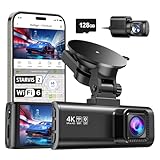
- [4K+1080P Front & Rear Recording] REDTIGER F7NP dash cam captures every detail with stunning 4K front and 1080P rear video. Featuring the advanced STARVIS 2 sensor plus the 170° front and 140° rear wide-angle lens, this dash camera delivers sharper images, balanced lighting, and reliable evidence day or night. Ideal for commuting, road trips, rideshare drivers, and new drivers.
- [STARVIS 2 Sensor & WDR Night Vision] Equipped with the advanced STARVIS 2 sensor, F1.5 large aperture, and 6-layer optical lens, F7NP 4K dual dash cam delivers clear, high-contrast footage in any lighting. WDR and HDR technology balance highlights and shadows, ensuring sharp night vision and crisp details day or night, providing reliable evidence and enhanced safety for every drive.
- [Built-in 5.8GHz WiFi & Smart App] Connect your smartphone to the dashcam’s built-in 5.8GHz WiFi to enjoy ultra-fast downloads up to 20MB/s. Using Redtiger Cam app, you can preview, download, and replay videos in real time, check GPS ata (route, speed, and location), and manage settings effortlessly, making it simple to review footage and share important moments.
- [Loop Recording & Free Memory Card] This car camera supports seamless loop recording to ensure continuous coverage without interruption. Older files are automatically overwritten when storage is full, while important events are safely locked. A free memory card is included, giving you ample space for 4K recordings and allowing you to use the camera right out of the box.
- [24/7 Parking Mode* & G-Sensor] Enjoy round-the-clock protection with two parking modes: time-lapse recording for continuous low-bitrate monitoring and G-sensor mode that records when collision is detected. The car security camera with G-sensor automatically locks important clips, ensuring crucial evidence is safely preserved even while your vehicle is parked.(*Hardwire kit needed.)
Visibility, Controls, and Everyday Ergonomics Win Over Time
Thin roof pillars, large mirrors, and predictable steering response reduce fatigue and improve safety every single drive. These traits don’t show up in marketing brochures, but they show up in accident data and owner satisfaction surveys.
Likewise, gear selectors, turn signals, and wiper stalks that work the same way year after year build muscle memory. For families sharing vehicles between drivers, that consistency prevents mistakes and lowers stress in situations where reaction time matters.
Real-World Family Usability Is the Final Reliability Test
A truly reliable family SUV doesn’t just avoid breakdowns. It avoids friction. Car seats install easily without wrestling anchors. Power tailgates keep working after years of grocery runs. Window regulators don’t fail, door handles don’t snap, and trim doesn’t rattle itself apart by 100,000 miles.
These details are why certain SUVs become household fixtures rather than disposable appliances. Over ten or fifteen years, reliability isn’t just about what survives mechanically, but what continues to make family life easier instead of harder.
Do these 3 things before closing this tab:
1Clear out junk files and repair common Windows errors2Fix the driver behind crashes, sound loss and screen glitches3Repair Windows errors before they cause bigger problemsOwnership Reality Check: Maintenance Costs, Warranty Coverage, and Depreciation
Reliability doesn’t stop at avoiding breakdowns. It shows up on your credit card statements, your time spent at the dealer, and how much value the vehicle still holds when it’s time to move on. This is where the truly bulletproof family SUVs separate themselves from the merely competent.
Maintenance Costs: Simple Engineering Pays Dividends
The most reliable family SUVs in 2025 share a common philosophy: proven powertrains, conservative tuning, and minimal mechanical complexity. Naturally aspirated four- and six-cylinder engines, conventional automatics, and AWD systems without clutch-pack gymnastics cost less to service over the long haul.
Oil changes, brake jobs, suspension refreshes, and cooling system repairs stay predictable because parts availability is strong and labor procedures are well understood. These vehicles don’t require specialty fluids, dealer-only software rituals, or frequent calibration resets just to stay healthy. Over 10 years and 150,000 miles, that difference can easily mean thousands saved.
Warranty Coverage: Nice to Have, But Not the Whole Story
Long factory warranties look comforting on paper, but they’re not a substitute for mechanical durability. Some of the most reliable family SUVs rely on average-length warranties because their failure rates simply don’t justify aggressive coverage strategies.
Windows Errors? Fix Them Before They Spread
Repair common Windows errors and clear accumulated junk for a smoother, more stable PC - no reinstall needed.Free scan · no reinstallOutdated Drivers Are Slowing You Down
One free scan finds every outdated or missing driver and matches the right update for your exact hardware.Free scan · exact hardware matchThat said, powertrain warranties still matter for families planning to keep vehicles beyond the lease window. Brands that back their engines and transmissions for 8 to 10 years demonstrate confidence in core components, not just infotainment screens or driver-assist sensors. The key is pairing warranty coverage with a platform that historically needs it less.
Dealer Network and Service Accessibility Matter More Than You Expect
Reliability also includes how easy a vehicle is to keep on the road when something eventually does need attention. Family SUVs from high-volume brands benefit from widespread dealer networks, independent shop familiarity, and strong aftermarket support.
That accessibility reduces repair wait times and prevents minor issues from snowballing into extended downtime. When a water pump or wheel bearing fails at 110,000 miles, parts availability and technician experience matter just as much as the failure itself.
Depreciation: The Silent Measure of Trust
Nothing exposes long-term reliability like resale value. SUVs that routinely crest 200,000 miles without drama develop reputations that directly translate into higher residuals and slower depreciation curves.
What’s actually slowing this PC down?
Pick the symptom - the matching free tool is one click away.
Buyers in the used market pay premiums for vehicles known to survive family abuse, missed oil change intervals, and years of stop-and-go driving. That means whether you sell at five years or fifteen, the most reliable SUVs return more of your original investment than trendier, more complex alternatives.
Total Cost of Ownership Is the Real Scoreboard
When you add maintenance, insurance stability, warranty realities, and depreciation together, patterns emerge quickly. The SUVs that dominate reliability rankings also dominate ownership satisfaction because they quietly avoid financial surprises.
They don’t ask for constant attention, expensive preventative replacements, or early trade-ins driven by fear of looming failures. Instead, they reward families who keep vehicles long-term, making them not just reliable machines, but dependable financial decisions as well.
Final Verdict: Which Reliable SUV Fits Your Family Best (Small, Midsize, or Three-Row)
All the data points we’ve covered lead to one unavoidable conclusion: reliability isn’t about chasing the newest tech or the highest output turbo. It’s about proven powertrains, conservative engineering, and platforms refined over millions of real-world miles. Once you filter the noise, the right choice becomes a question of size, not trust.
The Tool Desk
Outbyte PC Repair FREEClear out junk files and repair common Windows errorsFree Scan →Outbyte Driver Updater FREEFix the driver behind crashes, sound loss and screen glitchesFind Drivers →Best Small Reliable SUVs: Efficient, Durable, and Easy to Live With
If your family lives in the urban grind, small SUVs deliver the strongest reliability-per-dollar ratio. Models like the Toyota RAV4, Honda CR-V, and Mazda CX-5 thrive here because they rely on naturally aspirated engines or lightly stressed hybrids, paired with conventional automatics or well-sorted CVTs.
These vehicles keep curb weight down, reduce brake and suspension wear, and sip fuel without complex emissions hardware. Over 150,000 miles, that simplicity translates directly into fewer failures and lower ownership costs, especially for families who rack up school-run mileage.
Best Midsize Reliable SUVs: The Long-Term Family Sweet Spot
For growing families, midsize SUVs hit the reliability sweet spot by balancing space with mechanical restraint. Standouts like the Toyota Highlander, Honda Pilot, and Lexus RX lean heavily on V6 or proven hybrid drivetrains that have already survived multiple generations of refinement.
They offer stronger towing margins, better highway composure, and safety structures designed for heavier loads, all without the fragility of high-output turbo fours. These are the SUVs that quietly pass 200,000 miles while hauling kids, groceries, and vacation gear without complaint.
Best Three-Row Reliable SUVs: When Capacity Can’t Compromise Durability
Three-row SUVs introduce more mass, more cooling demand, and more drivetrain stress, which is where reliability gaps widen fast. The most dependable options in this class favor conservative gearing, robust cooling systems, and powertrains that prioritize torque delivery over peak horsepower.
Vehicles like the Toyota Grand Highlander Hybrid or well-established V6-based three-rows succeed because they resist the temptation to overcomplicate. For families who truly need the third row weekly, these SUVs deliver longevity without turning every repair into a four-figure event.
The Bottom Line: Buy the SUV That Doesn’t Ask for Attention
The most reliable family SUVs in 2025 share one trait above all else: they fade into the background of ownership. They start every morning, tolerate missed car washes, endure short trips, and don’t punish you for keeping them past the warranty window.
Choose the smallest SUV that genuinely fits your family’s needs, prioritize proven engines over experimental tech, and favor brands with deep service networks. Do that, and you won’t just own a reliable SUV—you’ll own peace of mind for the long haul.
Do these 3 things before closing this tab:
1Scan for outdated or missing drivers - takes under a minute2Repair Windows errors before they cause bigger problems3Fix the driver behind crashes, sound loss and screen glitches



