German SUVs carry a reputation built on Autobahn endurance, overengineered powertrains, and chassis tuning that still shames much of the segment. But reliability in this world isn’t about a trouble-free lease period or a glowing first-year ownership survey. It’s about how these machines hold together after years of heat cycles, winter starts, software updates, and real family duty. For this list, reliability means confidence at 120,000 miles, not just polish at 12,000.
What Reliability Actually Means in a German SUV
We define reliability as the ability of the vehicle to deliver consistent performance, safety, and drivability with minimal unscheduled repairs over a long ownership horizon. That starts with the fundamentals: engine architecture, transmission design, cooling capacity, and electrical robustness. A smooth inline-six or a proven turbo-four with conservative boost will always outlast an over-stressed, early-production experiment.
Chassis and suspension durability matter just as much. Adaptive dampers, air suspension, and torque-vectoring differentials can transform handling, but they also add failure points as mileage climbs. A reliable German SUV balances sophisticated hardware with components that have proven they can survive potholes, salted roads, and imperfect maintenance.
Data Sources We Trust and Why
This analysis blends large-scale reliability data with hands-on, long-term ownership evidence. We lean heavily on multi-year studies from Consumer Reports, TÜV and DEKRA inspection reports in Europe, and aggregated owner complaint data from NHTSA. These sources reveal patterns that marketing brochures never will, especially recurring powertrain, electronics, and suspension failures.
Quick wins for a faster PC:
Scan for outdated or missing drivers - takes under a minuteDriver Scan →Clear out junk files and repair common Windows errorsFree Scan →Fix the driver behind crashes, sound loss and screen glitchesFind Drivers →#1 Best Overall
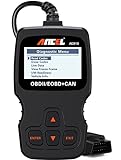
- CEL Doctor: The ANCEL AD310 is one of the best-selling OBD II scanners on the market and is recommended by Scotty Kilmer, a YouTuber and auto mechanic. It can easily determine the cause of the check engine light coming on. After repairing the vehicle's problems, it can quickly read and clear diagnostic trouble codes of emission system, read live data & hard memory data, view freeze frame, I/M monitor readiness and collect vehicle information
- Sturdy and Compact: Equipped with a 2.5 foot cable made of very thick, flexible insulation. It is important to have a sturdy scanner as it can easily fall to the ground when working in a car. The AD310 OBD2 scanner is a well-constructed mechanic tool with a sleek design. It weighs 12 ounces and measures 8.9 x 6.9 x 1.4 inches. Thanks to its compact design and light weight, transporting the device is not a problem. The buttons are clearly labelled and the screen is large and displays results clearly
- Accurate Fast and Easy to Use: The AD310 scanner can help you or your mechanic understand if your car is in good condition, provides exceptionally accurate and fast results, reads and clears engine trouble emission codes in seconds after you fixed the problem. This device will let you know immediately and fix the problem right away without any car knowledge. No need for batteries or a charger, get power directly from the OBDII Data Link Connector in your vehicle
- OBDII Protocols and Car Compatibility: Many cheap scan tools do not really support all OBD2 protocols. AD310 scanner as it can support all OBDII protocols such as KWP2000, J1850 VPW, ISO9141, J1850 PWM and CAN. This device also has extensive vehicle compatibility with 1996 US-based, 2000 EU-based and Asian cars, light trucks, SUVs, as well as newer OBD2 and CAN vehicles both domestic and foreign. Pls confirm with our customer service whether it is compatible with your vehicle before purchasing
- Home Necessity and Worthy to Own: This is an excellent code reader to travel or home with as it weighs less and it is compact in design. You can easily slide it in your backpack as you head to the garage, or put it on the dashboard, this will be a great fit for you. The AD310 is not only portable, but also accurate and fast in performance. Moreover, it covers various car brands and is suitable for people who just need a code reader to check their car
Equally important are long-term road tests and fleet data from high-mileage owners, independent shops, and specialist technicians. German SUVs often look flawless in early surveys, then fall apart once warranties expire. We prioritize models that continue to behave once the factory safety net is gone.
Ownership Horizons That Separate the Good from the Great
Short-term reliability tells you almost nothing about a German SUV. Our focus starts at five years and extends well past ten, because that’s where design decisions reveal their true cost. Timing chain layouts, transmission serviceability, and cooling system materials all show their weaknesses with age.
We also factor in maintenance realism. A vehicle that requires frequent dealer-only software resets or invasive engine-out repairs is not reliable in the real world, even if it technically functions. The most dependable German SUVs are those that tolerate imperfect ownership without punishing you for it.
Red Flags We Actively Avoid
Certain warning signs immediately disqualify a model from serious consideration. First-generation powertrains, especially complex turbocharged or mild-hybrid systems, are notorious for unresolved bugs. Overly integrated infotainment and body control modules can turn minor electrical faults into immobilizing failures.
We also scrutinize transmission behavior and thermal management. Harsh shifts, delayed engagement, or chronic overheating are early indicators of expensive futures. If a German SUV shows repeated patterns of these issues across multiple data sources, it doesn’t matter how good it drives when new, it doesn’t make the cut.
Quick Snapshot: Reliability Rankings, Powertrains to Target, and Models to Avoid
With the red flags established, this is where the data crystalizes into buying guidance. Not all German SUVs are reliability nightmares, but the dependable ones follow clear mechanical patterns. When you strip away marketing gloss and focus on components that survive 100,000-plus miles, a hierarchy emerges fast.
Reliability Rankings: The Standouts vs. the Chronic Offenders
At the top of the long-term reliability curve sit naturally conservative designs like the BMW X3 with the B48 four-cylinder, the Porsche Macan with the base 2.0-liter turbo, and the Mercedes-Benz GLC equipped with proven four-cylinder drivetrains. These models consistently score above average in TÜV defect rates and show fewer catastrophic failures in high-mileage fleet data.
Mid-pack performers include the Audi Q5 and Volkswagen Touareg, which can be solid when properly configured but show wider variance depending on engine choice and production year. Their reliability isn’t bad, but it’s less forgiving of neglected maintenance and early software updates.
Recommended Free Tools
At the bottom are complexity-heavy flagships and early electrified variants. Large luxury SUVs with air suspension, multi-turbo V8s, and first-generation mild-hybrid systems dominate complaint databases once warranties expire. These vehicles may feel unstoppable when new, but ownership data shows they age poorly and expensively.
Powertrains to Target: Proven Hardware Beats Peak Output
If reliability is the goal, four-cylinder turbocharged engines with a long production run are your safest bet. BMW’s B48, Mercedes’ M264, and Volkswagen Group’s EA888 (in later iterations) stand out for robust internals, improved timing components, and better thermal management than their predecessors.
Traditional torque-converter automatics from ZF, especially the 8HP series, are a major reliability win. They handle torque smoothly, resist heat-related failures, and are far less failure-prone than early dual-clutch units in heavy SUVs. Pair one of these with a conservative AWD system and you’re stacking the odds in your favor.
Avoid chasing maximum horsepower in daily-driven SUVs. Detuned engines with lower boost pressures and simpler cooling layouts consistently last longer than high-strung performance variants, even if the spec sheet looks less exciting.
Models and Configurations to Avoid: Where Ownership Turns Painful
First-generation redesigns are repeat offenders, particularly when they debut new engines or electrical architectures. Early production runs of freshly launched SUVs often serve as rolling test beds, and owners pay for that privilege with recalls and unexplained warning lights.
High-output V6 and V8 models with air suspension deserve special caution. Compressor failures, leaking struts, and sensor faults are common after 70,000 miles, and repair costs escalate quickly. These systems deliver incredible ride quality when new, but they are not built for long-term budget sanity.
Finally, steer clear of early plug-in hybrids unless you are leasing. Battery cooling issues, complex power management software, and limited independent repair options make long-term ownership risky. The data is clear: simpler mechanical layouts remain the backbone of reliable German SUV ownership.
Top 10 Most Reliable German SUVs Ranked (From Proven Veterans to Modern Standouts)
What follows isn’t about flash or Nürburgring lap times. This ranking is built on long-term owner data, powertrain track records, and how these SUVs behave after the warranty glow fades. These are the German SUVs that keep delivering year after year, not just for the first lessee.
PC Slower Than It Used to Be?
A free scan shows the junk files, broken settings and background clutter dragging Windows down - then fixes them in one click.Free scan · Windows 10 & 11Crashes, No Sound, or Screen Glitches?
Random freezes, missing sound and display glitches usually trace back to one bad driver. Find and replace yours safely.Free scan · under a minute10. Volkswagen Touareg (Second Generation, 2011–2017)
The second-gen Touareg is a quietly overbuilt SUV that flies under the radar. Its shared architecture with the Porsche Cayenne brought robust chassis components and solid crash structures, while the later VR6 and detuned V6 diesel engines proved remarkably durable. Avoid early air suspension models and this is a long-haul machine that shrugs off mileage better than most expect.
Rank #2

- Multi-Functions - Practical Multi-Functions OBD2 code reader features built-in OBD2 DTC lookup library, which help you to determine the cause of the engine light, read code, erase code, view freeze frame, I/M ready, vehicle information, data flow, real-time curve, get vehicle speed information, calculate load value, engine coolant temperature, get engine speed.
- Wide Capability - Supports 9 protocols compatible with most 1996 US-Based, 2000 EU-Based and Asian cars, and newer OBD II & CAN domestic or import vehicles. Supports 6 languages - English,German, Dutch, Spanish, French, Italian.
- 2.8" LCD Display - Designed with a clear display 2.8" Large LCD screen - white backlight and contrast adjustment. No need any battery or charger, OBD reader gets the power directly from your vehicle through the OBDII Data Link Connector.
- Compact Design - Car diagnostic scanner is equipped with a 2.5 feet long cable and made of a very thick flexible insulator.There are 6 buttons on OBD2 Scanner:scroll up/down,enter/exit and buttons that quick query VIN vehicle number& the DTC fault code.
- ABS / Airbag codes NOT Supported - It is able to read and clear check engine information which is part of OBDII system, but it cannot work with non-OBDII systems, including ABS / Airbag / Oil Service Light, etc.
9. Mercedes-Benz GLK-Class (2013–2015)
Before Mercedes chased screens and ambient lighting, the GLK was all about fundamentals. The facelifted models with the 3.5-liter naturally aspirated V6 and 7G-Tronic automatic are especially stout. It feels old-school because it is, and that’s precisely why it holds together so well over time.
8. Audi Q7 (2013–2018, Second Generation)
The second-gen Q7 marked a big step forward in Audi reliability, largely due to weight reduction and improved electronics. The 3.0 TFSI V6, when properly maintained, offers a strong balance of power and longevity. Stick to steel suspension and skip unnecessary options, and this becomes a dependable family hauler with real Autobahn DNA.
7. BMW X5 (E70 LCI, 2011–2013)
The facelifted E70 X5 is where BMW finally ironed out earlier issues. The naturally aspirated inline-six paired with the ZF 8-speed automatic is a known survivor, delivering smooth torque and excellent drivetrain longevity. It still drives like a BMW should, but without the reliability anxiety of later turbo-heavy setups.
Do these 3 things before closing this tab:
1Scan for outdated or missing drivers - takes under a minute2Repair Windows errors before they cause bigger problems3Fix the driver behind crashes, sound loss and screen glitches6. Mercedes-Benz GLC (2019–2022)
By the time the GLC matured, Mercedes had sorted many early electrical gremlins. The four-cylinder turbo engines in later years offer manageable boost levels and solid thermal control. It’s not flashy, but it’s one of the most dependable modern Mercedes SUVs you can realistically own long-term.
5. Audi Q5 (2018–2022)
The second-generation Q5 is a reliability high point for Audi crossovers. The later EA888 turbo-four engine benefits from years of revisions, with improved timing components and oil control. Combined with a conventional automatic and Quattro AWD, it’s a balanced, low-drama ownership experience.
4. Volkswagen Tiguan (2018–2023)
It may not wear a luxury badge, but the Tiguan earns its place through sheer consistency. Later models with the updated EA888 engine and traditional automatic transmission deliver strong real-world reliability. It’s proof that simpler packaging and conservative tuning still matter more than prestige.
3. BMW X3 (2018–2022)
The G01 X3 hits the sweet spot for modern BMW engineering. The B48 four-cylinder turbo is one of BMW’s best engines in decades, pairing strong mid-range torque with excellent durability. Add the ZF 8HP transmission and you get a drivetrain that feels engineered, not stressed.
The Tool Desk
Outbyte Driver Updater FREEScan for outdated or missing drivers - takes under a minuteDriver Scan →Outbyte PC Repair FREEClear out junk files and repair common Windows errorsFree Scan →2. Mercedes-Benz GLE (2016–2019)
The GLE represents Mercedes at its most refined mechanically. The V6 and later four-cylinder variants benefit from proven components and conservative tuning. Owners consistently report fewer major failures compared to newer, tech-heavy replacements, making this a standout for long-term family duty.
1. Porsche Cayenne (2015–2018)
At the top sits the Cayenne, not because it’s cheap to own, but because it’s engineered to last. The naturally aspirated and lightly turbocharged V6 engines are understressed, and the chassis is built to handle far more than daily driving demands. It’s the rare German SUV that combines performance credibility with genuine long-term dependability, provided you avoid the temptation of complex suspension options.
Model-by-Model Deep Dive: Engines, Transmissions, Known Issues & Longevity Expectations
To truly understand why these SUVs earned their spots, we need to go beneath the badges and into the hardware. This is where German engineering either proves its worth or quietly empties your wallet. Powertrain design, transmission choice, and component maturity matter far more than marketing promises.
1. Porsche Cayenne (2015–2018)
The sweet spot Cayenne uses the 3.6-liter naturally aspirated V6 or the early 3.0-liter turbo V6, both designed with conservative boost and robust cooling. These engines routinely clear 150,000 miles with proper oil service, and timing chain issues are far rarer than in earlier Porsche V8s. The ZF 8-speed automatic is a proven unit shared across multiple brands and rarely fails mechanically.
Air suspension is the major fork in the road here. Steel-spring trucks age far more gracefully, while air setups can become expensive after a decade. Expect longevity similar to a well-maintained 911 drivetrain, just with higher consumable costs.
2. Mercedes-Benz GLE (2016–2019)
The GLE benefits from Mercedes’ pre-downsizing era engineering. The 3.5-liter V6 is a torque-rich, naturally aspirated workhorse with minimal internal stress, while the later turbo fours remain understressed compared to newer MBUX-era engines. The 7G-Tronic and later 9G-Tronic automatics are smooth and durable when serviced on schedule.
Known issues are largely peripheral: suspension bushings, engine mounts, and occasional balance shaft wear on higher-mileage V6s. Properly maintained, 200,000 miles is a realistic expectation without catastrophic powertrain failures.
3. BMW X3 (2018–2022)
BMW’s B48 turbo four is a masterclass in modern engine design. Closed-deck architecture, revised timing chains, and improved crankcase ventilation solved nearly all of BMW’s earlier reliability sins. It delivers strong torque without excessive boost pressure, which directly translates to longevity.
The ZF 8HP transmission is nearly bulletproof and widely regarded as the best automatic in the industry. Expect routine cooling system components and suspension wear around 100,000 miles, but major engine failures are rare in real-world data.
4. Volkswagen Tiguan (2018–2023)
Under the skin, the Tiguan is all about conservative tuning. The EA888 Gen 3 engine finally fixed oil consumption and timing chain issues that plagued earlier versions. Paired with a conventional automatic instead of a dual-clutch, it avoids the biggest reliability gamble in VW’s playbook.
Rank #3
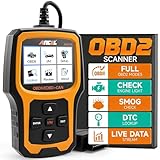
- Understand Your Check Engine Light – The ANCEL AD410 OBD2 scanner helps everyday drivers quickly read and clear engine-related fault codes, view code definitions, and understand why the check engine light is on before visiting a repair shop. With 42,000+ built-in DTC lookups, this car code reader helps reduce guesswork and makes basic vehicle diagnostics easier for beginners and DIY users
- Full OBD2 Diagnostics Made Simple – More than a basic engine code reader, this OBD2 scanner diagnostic tool supports key OBDII functions including reading/clearing codes, live data, freeze frame, I/M readiness, O2 sensor test, EVAP test, vehicle information, and MIL status. It helps you check your car’s condition, verify repairs after the issue is fixed, and communicate with mechanics more confidently
- Live Date & Real-time Vehicle Insights – View real-time engine data such as RPM, coolant temperature, fuel trim, oxygen sensor readings, and other available OBD2 parameters directly on the screen. These live data readings help you better understand how your vehicle is running, spot abnormal patterns, and make more informed repair decisions instead of relying only on a warning light
- Smog Check Readiness At A Glance – Use the I/M readiness function before a smog check or emissions inspection to see whether your vehicle’s monitors are ready. This OBD2 code scanner helps you confirm if recent repairs have brought the system back to a ready state, reducing the chance of failed inspections, retests, wasted trips, and unnecessary inspection fees
- Works With Most OBD2 Vehicles – Compatible with most 1996 and newer U.S.-based OBD2 cars, SUVs, and light trucks, as well as many 2000 and newer EU/Asian OBD2 vehicles. Supports major OBDII protocols including CAN, ISO9141, KWP2000, J1850 VPW, and J1850 PWM. This automotive diagnostic scanner is designed for wide vehicle coverage; please check compatibility with your vehicle before purchase
Carbon buildup remains a long-term reality due to direct injection, but it’s manageable with maintenance. Owners who service these properly can expect 180,000 miles or more with predictable, affordable repairs.
5. Audi Q5 (2018–2022)
Audi’s revised EA888 in the Q5 benefits from years of painful lessons. Improved piston rings, better PCV systems, and updated timing components dramatically reduced oil consumption complaints. Power delivery is smooth rather than aggressive, which helps preserve internals.
Free tools Windows power users keep installed
One-click scans. No signup required.
The eight-speed automatic is far more durable than Audi’s older DSG units. Long-term ownership costs are moderate for the class, with suspension components and electronics being the most common aging concerns rather than engine failures.
6. Mercedes-Benz GLK (2013–2015)
The GLK is a hidden gem because it predates Mercedes’ infotainment and electronics explosion. The 3.5-liter V6 is mechanically simple, naturally aspirated, and known for excellent balance and thermal stability. These engines routinely exceed 200,000 miles in fleet use.
The 7-speed automatic is reliable if serviced, though valve body wear can appear at high mileage. Interior electronics are refreshingly minimal, which directly contributes to long-term dependability.
7. Volkswagen Touareg (2014–2017)
The Touareg shares DNA with the Porsche Cayenne, and it shows. The VR6 and V6 TDI engines are overbuilt for the vehicle’s weight, and the chassis is designed for far more abuse than suburban duty. The ZF automatic is a known strong point.
What’s actually slowing this PC down?
Pick the symptom - the matching free tool is one click away.
Complexity is the tradeoff. Air suspension, if equipped, and aging electronics can drive up costs, but the core drivetrain is exceptionally durable when maintained properly.
8. BMW X5 (2014–2018)
The inline-six N55 engine is the one to have here. Smooth, well-balanced, and less stressed than BMW’s V8s, it offers strong performance without excessive heat. Proper oil changes and cooling system attention are critical.
Transmission reliability is excellent thanks to the ZF 8HP. Expect higher suspension and brake wear due to weight, but drivetrain longevity is solid well past 150,000 miles.
9. Audi Q7 (2015–2019)
The Q7’s strength lies in its mature V6 engines and conservative tuning. Both gasoline and diesel variants prioritize smooth torque delivery over outright performance. The automatic transmission is robust, avoiding the pitfalls of earlier Audi gearboxes.
Electrical complexity is the long-term concern. Sensors, cameras, and infotainment components tend to age faster than mechanical parts, so ownership favors buyers who value maintenance discipline.
10. BMW X1 (2017–2022)
The X1’s reliability story is tied directly to the B48 engine and simplified AWD system. Lightweight construction reduces stress on suspension and brakes, and the drivetrain operates well within its limits. Fuel economy and durability go hand in hand here.
The automatic transmission has proven dependable, though front suspension components can wear early on rough roads. For buyers wanting entry-level German reliability without premium repair bills, it’s a surprisingly smart choice.
Powertrain Breakdown: Which German Engines and Gearboxes Have Aged the Best
With the model-by-model reliability picture established, the real story comes into focus at the component level. German SUVs live or die by their engines and transmissions, and history has made it very clear which designs hold up under real mileage and daily use.
BMW’s Inline-Six Gasoline Engines: The Reliability Benchmark
BMW’s naturally balanced inline-six layout remains one of the most durable powertrain designs in the modern SUV era. Engines like the N52, N55, and later B58 distribute load evenly across the crankshaft, reducing vibration and internal stress over time. These motors age gracefully when oil change intervals are respected and cooling systems are maintained.
The turbocharged variants deliver strong torque without being overstressed, especially in heavier SUVs where they operate well below their limits. Avoiding neglected cooling components is critical, but mechanically, these engines routinely cross 200,000 miles without internal failure.
Volkswagen and Audi V6 TDI: Built for Endurance, Not Drama
The V6 TDI diesel remains one of the longest-lasting powerplants to come out of Germany. With conservative tuning, robust internals, and massive torque available at low RPM, these engines rarely need to work hard in SUVs like the Touareg and Q7. That low-stress operation is the key to their longevity.
Rank #4
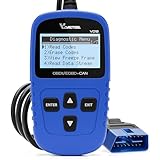
- 【A MUST-HAVE SCANNER TOOL FOR DIYERS】 - VDIAGTOOL VD10 car code reader is an incredibly useful, handheld obd2 scanner for each car owner or hobbyist, even for those with little to no experience when it comes to vehicle mechanics! Similar to a fixd car diagnostic tool, using this car diagnostic scanner is extremely easy. All you have to do is attach it to your car OBDII port and you can diagnose car problems in seconds! Read Codes (DTCs); Clear Codes; Live Data; View Freeze Frame; I/M Readiness; Vehicle Information.
- 【KEEP ENGINE IN GOOD STATUS】 - VDIAGTOOL check engine code reader brings a fast access to scan, read the car fault code, show its definition on the screen instantly, troubleshooting to find the root causes of problems, erase the engine fault code and turn off the MIL (Malfunction Indicator Light). Similar to a fixd car diagnostic tool, this car code reader helps ensure your engine stays in top condition.
- 【READ/CLEAR CODES & DTC LOOKUP】- No search online & saving your time, this vehicle car code reader retrieves generic (P0, P2, P3, and U0), manufacturer specific (P1, P3, and U1) codes, pending codes and displays DTC definitions based on the built-in database(more than 3000 codes) on the TFT screen, find out the root causes and clear the codes after fixed.
- 【ENHANCED OBD2 SCANNER WITH LIVE DATA & RETRIEVE FREEZE FRAME】 - This diagnostic scan tool for accurate diagnosis enables you to retrieve data from vehicle sensors, such as Engine RPM, Intake air temperature, Short/Long term fuel, Misfire data and etc. The freeze frame is stored in the PCM together with the diagnostic trouble code (DTC) related to the fault. Comparable to a fixd car diagnostic tool, the VD10 car code reader car scanner can be a valuable & practical diagnostic aid and also greatly help when diagnosing intermittent problems.
- 【I/M READINESS for THE S-nn-0-g CHECK】- OBDII vehicle may not pass the annual inspection unless the required monitors since reset are complete. So you should at least read the readiness monitors and make sure they are ready. This car obd2 scanner diagnostic tool is equipped with I/M readiness function to check the operations of the e-m-issi0n system on OBD2 compliant vehicles, run I/M monitor readiness test, checking if the pass vehicle s-m-0-g inspection.
Fuel system maintenance and emissions components can be costly as these vehicles age, but the core engine architecture is extremely resilient. When serviced properly, these diesels are among the few modern German engines that still feel genuinely overbuilt.
Recommended Free Tools
The ZF 8-Speed Automatic: A Quiet Hero of Reliability
If there is a single transmission responsible for improving long-term German SUV reliability, it’s the ZF 8HP automatic. Used across BMW, Audi, and Volkswagen platforms, this gearbox balances smooth shifting with impressive torque tolerance. Its wide ratio spread also reduces engine strain at highway speeds.
Despite manufacturer claims of “lifetime” fluid, real-world reliability improves dramatically with regular fluid and filter service. Treated as a serviceable component, the ZF 8HP has proven capable of exceeding 180,000 miles without internal rebuilds.
Dual-Clutch Transmissions: Efficient but Selective
Audi and Volkswagen dual-clutch gearboxes offer lightning-fast shifts and improved efficiency, but their long-term durability depends heavily on usage patterns. In stop-and-go traffic and heavy urban driving, clutch wear becomes a real concern. Heat management is the limiting factor here.
In lighter SUVs with moderate power output, these transmissions can be reliable, but they are less forgiving than traditional automatics. Buyers prioritizing long-term ownership should approach early DSG-equipped SUVs with caution.
Do these 3 things before closing this tab:
1Fix the driver behind crashes, sound loss and screen glitches2Repair Windows errors before they cause bigger problems3Scan for outdated or missing drivers - takes under a minuteTiming Chains, Cooling Systems, and the Details That Matter
Many German engines earned a poor reputation not because of flawed design, but because of neglected supporting systems. Timing chain issues on early turbo engines and plastic cooling components failing prematurely caused expensive secondary damage. Later revisions largely corrected these weaknesses.
The most reliable powertrains are those paired with simplified layouts and proven components. Engines that avoid extreme boost pressures and transmissions that prioritize durability over novelty consistently deliver the lowest ownership headaches over time.
Independent reader supportYour contribution helps us test, update, and keep practical guides available for everyone.Real-World Ownership Costs: Maintenance, Repairs, Insurance & Depreciation
Long-term reliability only tells half the story. The real test for any German SUV is what it costs you year after year, once warranties expire and the honeymoon period ends. This is where well-engineered powertrains, conservative tuning, and proven components translate directly into lower ownership stress.
Routine Maintenance: Predictable vs Punitive
Reliable German SUVs tend to reward owners who follow strict service intervals rather than gamble on deferred maintenance. Oil quality, cooling system health, and transmission servicing matter more than brand perception. Models using proven engines and the ZF 8-speed typically settle into a predictable maintenance rhythm instead of springing expensive surprises.
Expect annual maintenance costs to land higher than mainstream Japanese SUVs, but far below the horror stories associated with neglected luxury models. Parts availability is excellent, and independent specialists dramatically reduce labor costs once vehicles age out of dealer-only service windows.
Repair Frequency: Design Discipline Pays Dividends
The most dependable German SUVs avoid overly complex systems like early air suspension setups, experimental mild-hybrid hardware, or high-strung turbocharging. When repairs do occur, they’re more likely to involve wear items like suspension bushings, cooling components, or sensors rather than catastrophic engine failures.
Engines with conservative boost pressure and robust cooling layouts consistently show fewer major repair events past 100,000 miles. Vehicles that rely on mechanical simplicity rather than software band-aids age far more gracefully in real-world ownership.
Insurance Costs: Performance Still Has a Price
Insurance premiums for German SUVs are driven less by reliability and more by repair cost exposure. Aluminum body panels, advanced driver-assistance systems, and high parts pricing keep rates elevated compared to non-luxury competitors. That said, mainstream trims with four-cylinder or mild six-cylinder engines are significantly cheaper to insure than high-performance variants.
Free tools Windows power users keep installed
One-click scans. No signup required.
Choosing a reliable model without aggressive styling or top-tier horsepower can quietly save thousands over a decade of ownership. Insurers reward predictability, not Nürburgring credentials.
Depreciation: The Silent Ownership Cost
Depreciation is where reliable German SUVs quietly redeem themselves. Models with strong reliability records, durable powertrains, and restrained option lists hold value far better than tech-heavy or performance-focused versions. Buyers in the used market actively seek these configurations, especially when service history is documented.
Vehicles known for drivetrain durability often experience slower value drop after the five-year mark. This makes long-term ownership more financially rational, especially for buyers who plan to keep their SUV well beyond the factory warranty.
Total Cost of Ownership: Reliability Is the Multiplier
When maintenance stability, manageable repair risk, reasonable insurance, and controlled depreciation align, ownership costs flatten out. That’s the difference between a German SUV that feels expensive and one that feels engineered for longevity. Reliability doesn’t just prevent breakdowns; it stabilizes every financial variable attached to ownership.
Quick wins for a faster PC:
Fix the driver behind crashes, sound loss and screen glitchesFind Drivers →Repair Windows errors before they cause bigger problemsFix Now →Best Value

- 【Diagnose Check Engine Light in Seconds – No Mechanic Needed】The FOXWELL NT301 OBD2 scanner instantly reads & clears engine fault codes (DTCs) with one click. Simply plug into the 16-pin DLC port, turn ignition on, and get accurate results within seconds—No prior car knowledge required. Save hundreds on dealership fees by knowing exactly what’s wrong before you visit a shop. The #1 choice car scanner for DIYers and car owners who want to take control of their vehicle’s health
- 【Clear & Reset CEL with Confidence】Unlike cheap code readers that just erase codes temporarily, NT301 works like all professional vehicle code readers: It clears the check engine light only after you’ve fixed the underlying issue. If the problem isn’t fully repaired, the fault code will reappear. So you’ll never get a false pass. Use the foxwell scanner to verify your repair work and drive with peace of mind
- 【Sm-og Check Helper – Know Your Pass/Fail Status Before the Test】With dedicated one-click I/M readiness hotkeys and a simple Red-Yellow-Green LED indicator, you’ll instantly know if your vehicle is ready for annual testing. Built-in speaker provides clear audio feedback. No guesswork—just confidence before you head to the test center. One less thing to worry about when inspection day comes
- 【Advanced OBDII Modes – O- 2 Sensor & EVAP Testing】NT301 go beyond basic code reading with enhanced OBD2 modes. Run an EVAP system check to assess fuel tank condition, and use the O- 2 sensor test to optimize air-fuel ratio, boosting fuel economy, cutting em- issions, and saving you money at the pump. The code reader for cars and trucks is like having a mini em-issions lab in your glove box
- 【Live Data Graphing – Spot Engine Issues in Real Time】View and log live sensor data in easy-to-read graphs with this OBD2 scanner diagnostic tool. Monitor ox- ygen sensors, fuel trims, coolant temperature, RPM, and more to spot suspicious values instantly. This obd scanner gives you professional-grade insight without the pro price tag—a feature you won’t find on basic $20 car code readers
The most dependable German SUVs succeed not by eliminating costs, but by making them predictable. And in the real world, predictability is the ultimate luxury.
Used vs. New Buying Advice: Best Years, Safe Mileage Ranges & Certified Pre-Owned Picks
Reliability only delivers real value when the buying strategy matches the vehicle’s engineering strengths. German SUVs are often at their best after early depreciation has passed, once factory issues are sorted and long-term durability becomes visible. Buying smart here can mean the difference between a precision tool and an expensive science experiment.
Buying New: When It Makes Sense
Buying new only makes financial sense if you plan to keep the SUV for at least eight to ten years. This strategy works best with proven powertrains that prioritize mechanical longevity over cutting-edge tech, such as turbocharged four-cylinders or naturally aspirated and mild-hybrid inline-six engines. Early ownership minimizes wear-related failures and locks in warranty protection during the most electronics-heavy phase of the vehicle’s life.
New buyers should avoid first model years of full redesigns. German manufacturers often refine drivetrains and software after the first 18 to 24 months, and those revisions materially affect long-term reliability.
Used Sweet Spot: Best Years to Target
For most reliable German SUVs, the optimal used window is model years two to five after launch. By this point, software bugs, transmission calibrations, and supplier issues are typically resolved, while depreciation has already removed 30 to 40 percent of the original MSRP. These are the vehicles that combine modern safety tech with mature mechanical systems.
Mid-cycle refresh years are especially valuable. Updated infotainment, improved driver-assistance hardware, and revised cooling or emissions components often arrive without introducing new mechanical complexity.
Safe Mileage Ranges for Long-Term Ownership
Well-maintained German SUVs with durable powertrains remain safe purchases up to 60,000 miles without hesitation. Between 60,000 and 90,000 miles, condition and service history matter more than brand reputation. Vehicles that have received consistent oil changes, transmission services, and brake fluid flushes age far better than low-mileage examples with spotty maintenance.
Past 100,000 miles, reliability becomes highly model-specific. Simpler drivetrains, conventional automatics, and minimal air suspension hardware consistently outperform complex performance-oriented configurations in long-term ownership.
PC Slower Than It Used to Be?
A free scan shows the junk files, broken settings and background clutter dragging Windows down - then fixes them in one click.Free scan · Windows 10 & 11Outdated Drivers Are Slowing You Down
One free scan finds every outdated or missing driver and matches the right update for your exact hardware.Free scan · exact hardware matchCertified Pre-Owned: The Smart Buyer’s Advantage
Certified Pre-Owned programs are where German SUVs make the most sense for risk-averse buyers. Factory-backed inspections, extended warranties, and software updates eliminate much of the uncertainty associated with used luxury vehicles. This is particularly valuable for SUVs with advanced driver-assistance systems or integrated infotainment platforms that are costly to repair out of warranty.
The strongest CPO candidates are lease-return vehicles with complete dealer service records. These SUVs were typically driven conservatively, serviced on schedule, and returned before high-cost wear items became due.
What to Avoid, Even on Reliable Models
Avoid high-output performance trims if long-term reliability is the goal. Increased boost pressure, aggressive transmission tuning, and complex cooling systems accelerate wear and elevate repair costs. Similarly, air suspension and rear-wheel steering add comfort and handling benefits, but they introduce failure points that rarely age gracefully past six figures.
Option restraint matters. A well-engineered base or mid-trim SUV with a proven engine will outlast a fully loaded variant burdened with unnecessary complexity.
The Ownership Strategy That Works
The most reliable German SUV is rarely the newest or the flashiest. It’s the one bought after initial depreciation, with documented service history, conservative options, and a powertrain designed for endurance rather than headlines. Match the buying approach to the engineering philosophy, and German reliability stops being a gamble and starts becoming an asset.
Final Verdict: Which Reliable German SUV Fits Your Lifestyle and Budget Best
At this point, one truth should be clear: German SUVs can be exceptionally reliable when the engineering philosophy aligns with your ownership expectations. Long-term dependability is less about brand loyalty and more about choosing the right powertrain, trim level, and complexity ceiling. When those variables are controlled, German engineering delivers durability, refinement, and real-world usability that few rivals can match.
For the Long-Term Daily Driver
If your priority is stress-free commuting and predictable ownership costs, gravitate toward models with proven four-cylinder or naturally aspirated six-cylinder engines paired with conventional automatic transmissions. These SUVs excel at thermal management, avoid excessive turbo strain, and keep service intervals straightforward. They may not headline performance charts, but they reward owners with consistency well past 150,000 miles.
For Families Who Value Safety and Longevity
Families should prioritize chassis stability, crash structure integrity, and conservative driveline tuning over outright speed. Mid-size German SUVs with steel suspension setups and standard all-wheel drive offer excellent road manners in all weather while minimizing long-term repair exposure. These vehicles shine as high-mileage family haulers, especially when purchased as Certified Pre-Owned examples with remaining factory coverage.
What’s actually slowing this PC down?
Pick the symptom - the matching free tool is one click away.
For Drivers Who Want Premium Feel Without Premium Headaches
The sweet spot lies in well-optioned mid-trim models that deliver high-quality interiors, intuitive infotainment, and strong torque delivery without excessive electronic layers. Avoid adaptive suspension, high-output engine variants, and experimental tech packages if reliability is non-negotiable. The result is a luxury experience that ages gracefully instead of becoming a rolling diagnostic challenge.
For Enthusiasts on a Realistic Budget
Driving engagement doesn’t require a performance badge. Several German SUVs in this list offer excellent chassis balance, communicative steering, and strong mid-range torque while remaining mechanically conservative. These models prove that you can enjoy German driving dynamics without paying the long-term price of aggressive tuning and complex hardware.
The Bottom Line
The most reliable German SUV isn’t defined by peak horsepower, zero-to-sixty times, or showroom prestige. It’s defined by powertrain restraint, disciplined maintenance history, and engineering designed for sustained use rather than short-term excitement. Buy smart, avoid unnecessary complexity, and choose the model that fits your lifestyle honestly—not aspirationally.
Do that, and a well-chosen German SUV stops being a reliability gamble and becomes one of the most satisfying long-term vehicles you’ll ever own.
The Tool Desk
Outbyte Driver Updater FREEScan for outdated or missing drivers - takes under a minuteDriver Scan →Outbyte PC Repair FREERepair Windows errors before they cause bigger problemsFix Now →Quick Recap
Product prices and availability are accurate as of the date/time indicated and are subject to change. Any price and availability information displayed on Amazon at the time of purchase will apply.