Scotty Kilmer is the rare automotive personality who didn’t come up through marketing departments, race teams, or TV studios. He came up the hard way: decades under hoods, busted knuckles, and real customer cars that had to leave the shop running right. Before YouTube ever paid a cent, Kilmer was already a seasoned mechanic with over 50 years of hands-on experience diagnosing engines, transmissions, suspensions, and electrical systems the way old-school techs had to—by listening, testing, and understanding how machines actually fail.
From Old-School Wrench to Digital Megaphone
Kilmer’s background is rooted in independent repair, not dealership service bays or corporate flat-rate systems. That matters, because it shaped his worldview: fix what you have, avoid unnecessary debt, and understand your vehicle instead of blindly trusting modern complexity. His early career included everything from carbureted V8s to the first wave of fuel injection, giving him a long-term perspective most modern techs simply don’t have.
When he turned on a camera, the goal wasn’t fame—it was efficiency. Explaining a repair once on video beat explaining it a hundred times in person. That practical motivation helped launch one of the largest automotive DIY channels on YouTube, pulling in millions of subscribers who wanted straight answers instead of polished brand messaging.
A Communication Style That Feels Like the Shop Floor
Kilmer’s on-camera persona is loud, fast, and unapologetically opinionated. He yells, gestures, and speaks in blunt mechanical absolutes, much like a veteran mechanic trying to talk over an air compressor. That style turns off some viewers, but for many DIYers it feels authentic—closer to a real garage conversation than a scripted influencer review.
#1 Best Overall
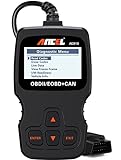
- CEL Doctor: The ANCEL AD310 is one of the best-selling OBD II scanners on the market and is recommended by Scotty Kilmer, a YouTuber and auto mechanic. It can easily determine the cause of the check engine light coming on. After repairing the vehicle's problems, it can quickly read and clear diagnostic trouble codes of emission system, read live data & hard memory data, view freeze frame, I/M monitor readiness and collect vehicle information
- Sturdy and Compact: Equipped with a 2.5 foot cable made of very thick, flexible insulation. It is important to have a sturdy scanner as it can easily fall to the ground when working in a car. The AD310 OBD2 scanner is a well-constructed mechanic tool with a sleek design. It weighs 12 ounces and measures 8.9 x 6.9 x 1.4 inches. Thanks to its compact design and light weight, transporting the device is not a problem. The buttons are clearly labelled and the screen is large and displays results clearly
- Accurate Fast and Easy to Use: The AD310 scanner can help you or your mechanic understand if your car is in good condition, provides exceptionally accurate and fast results, reads and clears engine trouble emission codes in seconds after you fixed the problem. This device will let you know immediately and fix the problem right away without any car knowledge. No need for batteries or a charger, get power directly from the OBDII Data Link Connector in your vehicle
- OBDII Protocols and Car Compatibility: Many cheap scan tools do not really support all OBD2 protocols. AD310 scanner as it can support all OBDII protocols such as KWP2000, J1850 VPW, ISO9141, J1850 PWM and CAN. This device also has extensive vehicle compatibility with 1996 US-based, 2000 EU-based and Asian cars, light trucks, SUVs, as well as newer OBD2 and CAN vehicles both domestic and foreign. Pls confirm with our customer service whether it is compatible with your vehicle before purchasing
- Home Necessity and Worthy to Own: This is an excellent code reader to travel or home with as it weighs less and it is compact in design. You can easily slide it in your backpack as you head to the garage, or put it on the dashboard, this will be a great fit for you. The AD310 is not only portable, but also accurate and fast in performance. Moreover, it covers various car brands and is suitable for people who just need a code reader to check their car
Under the noise, there’s usually a mechanical point grounded in failure patterns he’s seen repeatedly. When he criticizes certain transmissions, engines, or brands, it’s often based on long-term durability, thermal management, and serviceability rather than performance specs or new-car smell. He prioritizes reliability over horsepower, simplicity over tech bloat, and total cost of ownership over badge prestige.
Influence, Pushback, and Why He Still Matters
Scotty Kilmer is also one of the most controversial figures in car YouTube. Manufacturers, engineers, and enthusiasts regularly push back against his sweeping claims, especially when modern designs clash with his old-school preferences. Some of his advice oversimplifies complex systems, and his brand loyalties can feel frozen in time.
Yet his impact on modern DIY car culture is undeniable. Kilmer helped normalize the idea that regular owners can diagnose check engine lights, understand torque curves, and make informed decisions without dealership dependency. In an era of sealed transmissions and subscription-based features, he represents resistance—a reminder that cars are still machines, and machines can be understood by people willing to learn.
From Texas Shop Floors to YouTube Fame: His Origin Story
A Texas-Bred Mechanic Before Algorithms
Long before algorithms, thumbnails, and ad revenue, Scotty Kilmer was a working mechanic in Texas, earning his living the hard way—flat-rate labor, busted knuckles, and problem cars that refused to follow the service manual. He often cites more than five decades of hands-on experience, much of it spent in independent shops where diagnostics mattered more than brand loyalty. In that environment, engines weren’t marketing stories; they were systems of heat, pressure, tolerances, and failure points. That foundation shaped how he still evaluates cars today: not by brochure specs, but by what breaks after 150,000 miles.
Texas shop culture also matters here. Independent mechanics in that ecosystem survive by being brutally honest, fast, and cost-conscious, because customers are paying out of pocket. That’s where Kilmer’s obsession with simplicity took root—naturally aspirated engines over boosted ones, conventional automatics over fragile experiments, and designs that can be serviced without pulling half the chassis apart.
Learning Cars by Watching Them Fail
Kilmer’s worldview wasn’t formed in engineering labs or OEM press events; it came from watching the same components fail again and again. Sludge-prone engines, undercooled transmissions, timing systems pushed beyond their mechanical limits—those patterns stick with a mechanic far longer than any dyno chart. When he talks about reliability, he’s really talking about thermal management, material fatigue, and how tolerant a design is of neglect.
That long exposure to real-world abuse explains why he’s skeptical of rapid tech escalation. From his perspective, complexity multiplies failure modes, especially once warranties expire. His advice reflects that bias, for better or worse, and it’s a direct product of decades spent fixing yesterday’s “next big thing.”
The Accidental Birth of a YouTube Mechanic
When Kilmer began uploading videos in the late 2000s, YouTube wasn’t an influencer factory—it was a digital bulletin board. His early clips were raw, noisy, and instructional, designed to answer common customer questions without repeating himself all day. The camera was a tool, not a brand strategy, and the content mirrored his shop-floor personality.
That timing mattered. As cars grew more computerized and dealership labor rates climbed, DIY owners were desperate for translation. Kilmer filled that gap by explaining sensors, fuel trims, and mechanical wear in plain language, even if the delivery felt abrasive. What started as a practical workaround quietly turned him into one of the platform’s most recognizable automotive voices.
The YouTube Channel That Changed DIY Car Culture
What happened next wasn’t planned, but it was inevitable. Kilmer’s blunt, shop-floor explanations collided with YouTube’s recommendation algorithm just as car ownership was becoming more expensive and less transparent. Viewers didn’t come for polish; they came for answers that felt earned, not rehearsed.
From One Garage to Millions of Driveways
Kilmer’s channel grew because it mirrored the way real people learn about cars: one failure at a time. A bad wheel bearing, a misfiring cylinder, a slipping torque converter—each video tackled a specific problem with tools most owners already had. There were no sponsored lifts, no factory scan tools, and no dealership gloss.
That accessibility mattered. By showing diagnostics with basic OBD-II readers and common sense, he lowered the psychological barrier to working on modern cars. DIY stopped being a lost art and became a weekend project again.
Crashes, No Sound, or Screen Glitches?
Random freezes, missing sound and display glitches usually trace back to one bad driver. Find and replace yours safely.Free scan · under a minuteWindows Errors? Fix Them Before They Spread
Repair common Windows errors and clear accumulated junk for a smoother, more stable PC - no reinstall needed.Free scan · no reinstallDemystifying Modern Cars Without Dumbing Them Down
Kilmer didn’t ignore electronics; he translated them. He explained how mass airflow sensors affect fuel trims, why heat kills control modules, and how neglected fluids accelerate wear across drivetrains. The engineering was simplified, but the logic stayed intact.
That approach empowered viewers to think diagnostically instead of guessing. Instead of throwing parts at a problem, owners learned to ask why a component failed in the first place. That mindset shift is one of his most lasting contributions to DIY culture.
The Algorithm Amplified the Attitude
As the channel scaled, so did the volume. Kilmer’s thumbnails got louder, his delivery sharper, and his opinions more absolute. YouTube rewarded certainty, not nuance, and his style adapted accordingly.
Rank #2

- 【Diagnose Check Engine Light in Seconds – No Mechanic Needed】The FOXWELL NT301 OBD2 scanner instantly reads & clears engine fault codes (DTCs) with one click. Simply plug into the 16-pin DLC port, turn ignition on, and get accurate results within seconds—No prior car knowledge required. Save hundreds on dealership fees by knowing exactly what’s wrong before you visit a shop. The #1 choice car scanner for DIYers and car owners who want to take control of their vehicle’s health
- 【Clear & Reset CEL with Confidence】Unlike cheap code readers that just erase codes temporarily, NT301 works like all professional vehicle code readers: It clears the check engine light only after you’ve fixed the underlying issue. If the problem isn’t fully repaired, the fault code will reappear. So you’ll never get a false pass. Use the foxwell scanner to verify your repair work and drive with peace of mind
- 【Sm-og Check Helper – Know Your Pass/Fail Status Before the Test】With dedicated one-click I/M readiness hotkeys and a simple Red-Yellow-Green LED indicator, you’ll instantly know if your vehicle is ready for annual testing. Built-in speaker provides clear audio feedback. No guesswork—just confidence before you head to the test center. One less thing to worry about when inspection day comes
- 【Advanced OBDII Modes – O- 2 Sensor & EVAP Testing】NT301 go beyond basic code reading with enhanced OBD2 modes. Run an EVAP system check to assess fuel tank condition, and use the O- 2 sensor test to optimize air-fuel ratio, boosting fuel economy, cutting em- issions, and saving you money at the pump. The code reader for cars and trucks is like having a mini em-issions lab in your glove box
- 【Live Data Graphing – Spot Engine Issues in Real Time】View and log live sensor data in easy-to-read graphs with this OBD2 scanner diagnostic tool. Monitor ox- ygen sensors, fuel trims, coolant temperature, RPM, and more to spot suspicious values instantly. This obd scanner gives you professional-grade insight without the pro price tag—a feature you won’t find on basic $20 car code readers
This is where controversy entered the picture. Blanket statements about entire brands, skepticism toward turbocharging and CVTs, and resistance to EVs sparked constant debate. Critics accused him of being outdated, while fans defended his real-world reliability bias.
Recommended Free Tools
Why His Influence Still Matters
Whether you agree with him or not, Kilmer changed expectations. DIY viewers began demanding practical repair advice instead of vague enthusiast talk. Reliability became a mainstream metric again, discussed alongside horsepower and 0–60 times.
Most importantly, he reminded people that cars are systems, not status symbols. Maintain them, understand their limits, and they’ll serve you longer than marketing departments ever promise.
Signature Style: Rants, Red Shirts, and No-Nonsense Advice
By this point in his rise, the message was clear—but the delivery became just as important as the mechanics. Kilmer didn’t just teach repairs; he performed them, turning opinionated diagnostics into a recognizable brand. The style amplified the substance, for better or worse.
The Rant as a Diagnostic Tool
Kilmer’s rants aren’t random explosions; they’re structured around cause and effect. A failing transmission becomes a lecture on fluid neglect, heat management, and why manufacturers chase fuel economy at the expense of longevity. The volume goes up, but the mechanical logic stays grounded.
Do these 3 things before closing this tab:
1Clear out junk files and repair common Windows errors2Fix the driver behind crashes, sound loss and screen glitches3Repair Windows errors before they cause bigger problemsThat intensity keeps viewers engaged while reinforcing a core lesson: cars fail for reasons. He treats every problem like a forensic investigation, even if the delivery feels more like a garage argument than a classroom lecture.
The Red Shirt and the Anti-Influencer Look
The red T-shirt isn’t an accident. It signals consistency, working-class credibility, and resistance to the polished influencer aesthetic that dominates modern car media. No merch drops, no outfit changes, no cinematic B-roll—just a guy, a car, and a camera.
That visual simplicity reinforces his message. The focus stays on the mechanical system in front of him, not the personality selling it. In a landscape filled with sponsorships and affiliate links, that look reads as intentional defiance.
Blunt Advice Over Diplomatic Nuance
Kilmer’s advice cuts straight to ownership reality. He tells viewers when a car isn’t worth fixing, when a repair exceeds the vehicle’s remaining service life, and when walking away is the smartest move. That honesty resonates with owners facing real budgets, not hypothetical builds.
The downside is absolutism. Modern engines with turbocharging, direct injection, or CVTs get painted with a broad brush, often ignoring improvements in materials and software. Still, his bias toward proven designs reflects decades of failure patterns, not spec-sheet ignorance.
Catchphrases With a Purpose
“Rev up your engines” isn’t just a greeting—it’s a tone setter. Kilmer uses repetition and familiar phrases to make technical content approachable, especially for viewers intimidated by diagnostics. The language lowers friction, pulling people into topics like parasitic draw or fuel trim logic without academic stiffness.
That accessibility is why the style works. Beneath the shouting and simplicity is a consistent framework: understand the system, respect physics, and don’t believe marketing over metallurgy. The persona may dominate the screen, but the advice always circles back to the machine.
Car Brands He Loves, Hates, and Constantly Debates
If Kilmer’s tone is confrontational, his brand opinions are the real lightning rod. His views aren’t shaped by press fleets or resale curves—they’re built from decades of teardown experience, customer failures, and repeat offenders on his driveway. Every brand judgment ties back to one question: how often does this thing survive past 200,000 miles without bankrupting the owner?
What’s actually slowing this PC down?
Pick the symptom - the matching free tool is one click away.
Toyota and Lexus: The Gold Standard of Boring Excellence
Toyota sits at the top of Kilmer’s hierarchy, not because it’s exciting, but because it’s predictably durable. He repeatedly praises naturally aspirated Toyota engines for conservative tuning, thick bearing surfaces, and cooling systems designed with real-world heat soak in mind. From the 2UZ-FE V8 to the old 1ZZ and 2AZ four-cylinders, he values designs that sacrifice peak HP for long-term mechanical stability.
Rank #3

- Multi-Functions - Practical Multi-Functions OBD2 code reader features built-in OBD2 DTC lookup library, which help you to determine the cause of the engine light, read code, erase code, view freeze frame, I/M ready, vehicle information, data flow, real-time curve, get vehicle speed information, calculate load value, engine coolant temperature, get engine speed.
- Wide Capability - Supports 9 protocols compatible with most 1996 US-Based, 2000 EU-Based and Asian cars, and newer OBD II & CAN domestic or import vehicles. Supports 6 languages - English,German, Dutch, Spanish, French, Italian.
- 2.8" LCD Display - Designed with a clear display 2.8" Large LCD screen - white backlight and contrast adjustment. No need any battery or charger, OBD reader gets the power directly from your vehicle through the OBDII Data Link Connector.
- Compact Design - Car diagnostic scanner is equipped with a 2.5 feet long cable and made of a very thick flexible insulator.There are 6 buttons on OBD2 Scanner:scroll up/down,enter/exit and buttons that quick query VIN vehicle number& the DTC fault code.
- ABS / Airbag codes NOT Supported - It is able to read and clear check engine information which is part of OBDII system, but it cannot work with non-OBDII systems, including ABS / Airbag / Oil Service Light, etc.
Lexus earns the same respect, with the caveat that complexity increases repair costs. Kilmer likes Lexus when it behaves like a quiet Toyota, not when it chases German-style tech escalation. In his world, reliability beats adaptive suspensions and digital dashboards every time.
Honda: Admiration With Caveats
Honda occupies a more complicated space. Kilmer respects Honda’s engine design heritage, especially older naturally aspirated VTEC motors with timing chains and tight manufacturing tolerances. He often points to their efficient combustion and high-rev durability as engineering wins.
The criticism comes with transmissions and newer turbocharged setups. CVT reliability and oil dilution issues in some modern Honda engines get flagged repeatedly. For Kilmer, Honda lost some of its mechanical purity in the pursuit of fuel economy and emissions compliance.
Quick wins for a faster PC:
Repair Windows errors before they cause bigger problemsFix Now →Scan for outdated or missing drivers - takes under a minuteDriver Scan →Clear out junk files and repair common Windows errorsFree Scan →American Brands: Trucks Yes, Cars No
Kilmer’s stance on American automakers is sharply segmented. He respects body-on-frame trucks with large displacement V8s, especially older GM and Ford platforms with simple valvetrains and accessible packaging. When maintained, those drivetrains can absorb abuse and still deliver usable torque decades later.
Passenger cars, especially compact sedans, fare far worse in his commentary. He routinely criticizes cost-cutting materials, transmission failures, and inconsistent long-term durability. His argument isn’t anti-American—it’s anti-planned obsolescence.
German Luxury: Engineering Brilliance, Ownership Punishment
German brands trigger Kilmer’s most passionate warnings. BMW, Mercedes-Benz, and Audi earn respect for chassis dynamics, power delivery, and advanced engine architecture. He acknowledges the performance advantages of turbocharging, direct injection, and high compression ratios.
The problem is what happens at 120,000 miles. Plastic cooling components, oil leaks from complex gasket stacks, and labor-intensive repairs turn ownership into a financial endurance test. Kilmer doesn’t deny the brilliance—he questions who it’s really built for.
The Tool Desk
Outbyte PC Repair FREEClear out junk files and repair common Windows errorsFree Scan →Outbyte Driver Updater FREEFix the driver behind crashes, sound loss and screen glitchesFind Drivers →Brands He Constantly Debates: Nissan, Hyundai, and Modern Toyota
Some brands live in Kilmer’s gray zone. Nissan draws fire for CVT failures, yet he occasionally praises older models with conventional automatics. Hyundai and Kia earn cautious approval for improved build quality, but long-term engine wear and recall history keep him skeptical.
Even Toyota isn’t immune anymore. As the brand adopts turbocharged engines and more complex electronics, Kilmer openly questions whether the old reliability playbook still applies. That internal debate is key—his opinions evolve when the data changes.
Ultimately, these brand stances aren’t about loyalty or hate. They’re the product of a mechanic tracking patterns across millions of miles, thousands of repairs, and a lifetime under hoods. Agree or disagree, Kilmer’s brand philosophy forces viewers to think beyond badges and into the mechanical realities that actually determine ownership success.
Controversies, Hot Takes, and Why He Polarizes Gearheads
That brand-by-brand worldview sets the table for why Scotty Kilmer sparks so much debate. When someone speaks in absolutes about machines that live in gray areas, friction is inevitable. Kilmer doesn’t hedge his bets, and that confidence is both his superpower and his lightning rod.
Free tools Windows power users keep installed
One-click scans. No signup required.
Absolutism in a World of Variables
Kilmer’s advice often comes packaged as universal truth: buy this, avoid that, run away immediately. For experienced techs, that tone can feel dismissive of edge cases like meticulous maintenance, regional climate effects, or production-year improvements. Modern vehicles are systems, not single failure points, and critics argue he flattens that complexity for speed and clarity.
At the same time, that absolutism is exactly why DIY owners listen. A first-time car buyer doesn’t want a dissertation on tolerance stacking or oil shear stability; they want a clear yes or no. Kilmer delivers that decisiveness without apology.
Toyota Loyalty or Data-Driven Bias?
One of the longest-running accusations is Toyota favoritism. Kilmer’s praise for older Corollas, Camrys, and Tacomas is relentless, and to some viewers it crosses into brand evangelism. Critics argue that he underplays Toyota’s modern missteps while amplifying competitors’ failures.
Rank #4
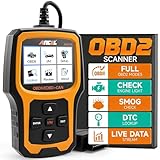
- Understand Your Check Engine Light – The ANCEL AD410 OBD2 scanner helps everyday drivers quickly read and clear engine-related fault codes, view code definitions, and understand why the check engine light is on before visiting a repair shop. With 42,000+ built-in DTC lookups, this car code reader helps reduce guesswork and makes basic vehicle diagnostics easier for beginners and DIY users
- Full OBD2 Diagnostics Made Simple – More than a basic engine code reader, this OBD2 scanner diagnostic tool supports key OBDII functions including reading/clearing codes, live data, freeze frame, I/M readiness, O2 sensor test, EVAP test, vehicle information, and MIL status. It helps you check your car’s condition, verify repairs after the issue is fixed, and communicate with mechanics more confidently
- Live Date & Real-time Vehicle Insights – View real-time engine data such as RPM, coolant temperature, fuel trim, oxygen sensor readings, and other available OBD2 parameters directly on the screen. These live data readings help you better understand how your vehicle is running, spot abnormal patterns, and make more informed repair decisions instead of relying only on a warning light
- Smog Check Readiness At A Glance – Use the I/M readiness function before a smog check or emissions inspection to see whether your vehicle’s monitors are ready. This OBD2 code scanner helps you confirm if recent repairs have brought the system back to a ready state, reducing the chance of failed inspections, retests, wasted trips, and unnecessary inspection fees
- Works With Most OBD2 Vehicles – Compatible with most 1996 and newer U.S.-based OBD2 cars, SUVs, and light trucks, as well as many 2000 and newer EU/Asian OBD2 vehicles. Supports major OBDII protocols including CAN, ISO9141, KWP2000, J1850 VPW, and J1850 PWM. This automotive diagnostic scanner is designed for wide vehicle coverage; please check compatibility with your vehicle before purchase
From his perspective, it’s not loyalty—it’s survivorship bias grounded in repair history. When you’ve seen the same 2.4-liter or 3.5-liter engines cross 300,000 miles with basic maintenance, patterns burn into your brain. The controversy comes from whether those historical wins still apply in an era of turbocharging, low-tension piston rings, and software-managed everything.
The Tool Desk
Outbyte Driver Updater FREEScan for outdated or missing drivers - takes under a minuteDriver Scan →Outbyte PC Repair FREEClear out junk files and repair common Windows errorsFree Scan →CVTs, Turbos, and the War on Modern Engineering
Few topics ignite Kilmer faster than continuously variable transmissions. He treats many CVTs as disposable wear items, especially early designs with belt-driven architectures and marginal cooling. Engineers will argue the tech has improved; Kilmer counters that improved doesn’t mean proven over decades.
The same tension exists with turbocharged downsized engines. He acknowledges the torque gains and efficiency benefits, but questions long-term bearing wear, heat management, and oil contamination. Gearheads who love boost see innovation; Kilmer sees added failure points for owners planning to keep a car past the warranty.
Clickbait, Volume, and the YouTube Persona
Another flashpoint isn’t mechanical at all—it’s presentation. Shouting thumbnails, dramatic titles, and end-of-the-world phrasing rubs some viewers the wrong way. Critics claim it cheapens legitimate experience and turns nuanced advice into entertainment-first content.
Yet that persona is intentional and effective. In a digital ecosystem where attention is currency, Kilmer uses volume and repetition to cut through the noise. Behind the theatrics is still a working mechanic explaining real failure modes in plain language, even if the delivery isn’t subtle.
Do these 3 things before closing this tab:
1Scan for outdated or missing drivers - takes under a minute2Clear out junk files and repair common Windows errors3Fix the driver behind crashes, sound loss and screen glitchesPushback, Blocking, and Community Friction
Kilmer is also known for blocking critics and dismissing opposing viewpoints, which fuels the perception of stubbornness. Professional engineers and master technicians sometimes bristle at his unwillingness to publicly debate data or acknowledge exceptions. That rigidity can alienate experienced gearheads who live in the details.
But it also reinforces his role in DIY culture. Kilmer isn’t trying to be a service manual or a SAE paper—he’s a gatekeeper against bad ownership decisions. Love him or hate him, his hot takes force viewers to question marketing claims, rethink complexity, and ask whether newer actually means better for the way they drive and maintain their cars.
Independent reader supportYour contribution helps us test, update, and keep practical guides available for everyone.How Accurate Is Scotty Kilmer? Praise vs. Pushback from Pros
The volume and controversy naturally raise the core question: when Kilmer talks mechanics, how often is he right? The answer depends on whether you’re evaluating laboratory precision or real-world ownership outcomes. His advice lives at the intersection of experience-driven heuristics and broad-stroke generalizations, which explains both the loyalty and the backlash.
Where Kilmer Nails It: Failure Patterns and Ownership Reality
Kilmer’s strongest accuracy comes from pattern recognition. Decades under hoods have taught him which components fail repeatedly across platforms, climates, and neglect levels. Timing chain stretch, oil consumption in low-tension ring designs, weak automatic transmission valve bodies—these are issues he often flags years before they become common knowledge in owner forums.
For DIY owners, that matters more than perfect edge-case accuracy. Kilmer frames cars as long-term machines, not lease-cycle appliances. His recommendations skew conservative because they’re designed to minimize catastrophic repair risk for owners without factory tools, software access, or warranty safety nets.
Where Pros Push Back: Absolutes, Exceptions, and Engineering Context
Professional engineers and dealership master techs often criticize Kilmer for speaking in absolutes. Declaring entire brands, engines, or technologies “junk” ignores revisions, running changes, and use-case nuance. A turbocharged four-cylinder maintained with strict oil intervals and proper warm-up behaves very differently than one abused on short trips.
From an engineering standpoint, Kilmer sometimes simplifies complex tradeoffs. Lightweight internals, tighter tolerances, and emissions-driven designs can reduce longevity margins but deliver measurable gains in efficiency and performance. Engineers argue that doesn’t make the design bad—just optimized for a different ownership model than Kilmer prefers.
Data vs. Wrench Time: Two Different Definitions of Accuracy
Much of the disagreement comes down to what “accurate” means. Engineers rely on validation data, durability cycles, and statistical failure rates across millions of units. Kilmer relies on what rolls into independent shops after the warranty expires, when costs hit owners directly.
Quick wins for a faster PC:
Scan for outdated or missing drivers - takes under a minuteDriver Scan →Repair Windows errors before they cause bigger problemsFix Now →Those perspectives aren’t equal, but they are complementary. Kilmer’s shop-floor data is biased toward failures, yet that bias is exactly what DIY owners fear. He speaks for the second and third owner—the one inheriting deferred maintenance and design compromises long after the marketing glow fades.
Best Value
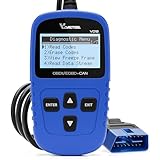
- 【A MUST-HAVE SCANNER TOOL FOR DIYERS】 - VDIAGTOOL VD10 car code reader is an incredibly useful, handheld obd2 scanner for each car owner or hobbyist, even for those with little to no experience when it comes to vehicle mechanics! Similar to a fixd car diagnostic tool, using this car diagnostic scanner is extremely easy. All you have to do is attach it to your car OBDII port and you can diagnose car problems in seconds! Read Codes (DTCs); Clear Codes; Live Data; View Freeze Frame; I/M Readiness; Vehicle Information.
- 【KEEP ENGINE IN GOOD STATUS】 - VDIAGTOOL check engine code reader brings a fast access to scan, read the car fault code, show its definition on the screen instantly, troubleshooting to find the root causes of problems, erase the engine fault code and turn off the MIL (Malfunction Indicator Light). Similar to a fixd car diagnostic tool, this car code reader helps ensure your engine stays in top condition.
- 【READ/CLEAR CODES & DTC LOOKUP】- No search online & saving your time, this vehicle car code reader retrieves generic (P0, P2, P3, and U0), manufacturer specific (P1, P3, and U1) codes, pending codes and displays DTC definitions based on the built-in database(more than 3000 codes) on the TFT screen, find out the root causes and clear the codes after fixed.
- 【ENHANCED OBD2 SCANNER WITH LIVE DATA & RETRIEVE FREEZE FRAME】 - This diagnostic scan tool for accurate diagnosis enables you to retrieve data from vehicle sensors, such as Engine RPM, Intake air temperature, Short/Long term fuel, Misfire data and etc. The freeze frame is stored in the PCM together with the diagnostic trouble code (DTC) related to the fault. Comparable to a fixd car diagnostic tool, the VD10 car code reader car scanner can be a valuable & practical diagnostic aid and also greatly help when diagnosing intermittent problems.
- 【I/M READINESS for THE S-nn-0-g CHECK】- OBDII vehicle may not pass the annual inspection unless the required monitors since reset are complete. So you should at least read the readiness monitors and make sure they are ready. This car obd2 scanner diagnostic tool is equipped with I/M readiness function to check the operations of the e-m-issi0n system on OBD2 compliant vehicles, run I/M monitor readiness test, checking if the pass vehicle s-m-0-g inspection.
The Influence Factor: Accuracy Through Impact, Not Perfection
Kilmer’s real accuracy may be measured by behavior change, not technical purity. He has steered countless viewers away from high-risk purchases, taught basic diagnostics, and normalized skepticism toward complexity for its own sake. Even when he overstates a claim, he forces viewers to research, question, and understand their vehicles more deeply.
That friction with professionals is part of his role in modern car culture. Kilmer isn’t an arbiter of engineering truth; he’s a translator of mechanical risk. In an era of sealed transmissions, software locks, and escalating repair costs, that voice—flawed, loud, and experienced—carries weight whether the industry likes it or not.
Why Scotty Kilmer Still Matters in the Modern Automotive World
All of that friction between data and wrench time leads to the bigger question: relevance. In a landscape dominated by software-defined vehicles, subscription features, and shrinking service access, Scotty Kilmer remains a reference point for owners who actually turn their own wrenches. His importance isn’t about being right all the time—it’s about anchoring the conversation around ownership reality.
What’s actually slowing this PC down?
Pick the symptom - the matching free tool is one click away.
A Voice for the Long-Term Owner, Not the Lease Cycle
Modern automotive media often centers on first impressions, 0–60 times, and infotainment screens. Kilmer talks about what happens at 120,000 miles when bushings wear, sensors fail, and labor hours dwarf parts cost. That long-horizon mindset resonates with owners planning to keep cars past the warranty, especially in a used market where reliability is currency.
He frames cars as durable machines, not disposable tech. In doing so, he reminds viewers that longevity is a design choice—and that some platforms tolerate neglect and age better than others.
Demystifying Complexity in an Era of Sealed Systems
As vehicles move toward sealed transmissions, integrated modules, and manufacturer-only software access, DIY confidence has taken a hit. Kilmer pushes back by explaining systems in plain mechanical terms, even when the reality is layered with code and sensors. He may gloss over edge cases, but he lowers the intimidation barrier.
That matters because fear is what drives owners away from maintenance. By making diagnostics feel approachable—sometimes overly so—he keeps people engaged with their vehicles instead of surrendering to the dealer by default.
Free tools Windows power users keep installed
One-click scans. No signup required.
Algorithm-Proof Influence in a Click-Driven Media World
Kilmer’s YouTube style predates polished thumbnails and influencer brand deals. His content survives because it’s searchable, blunt, and experience-driven. When someone types “used car reliability” at 2 a.m., they’re not looking for a press launch—they’re looking for a warning.
That raw, repetitive delivery has built trust with a specific audience: secondhand buyers, cash-strapped owners, and DIY learners. His influence persists not because he adapts to trends, but because the problems he addresses haven’t gone away.
Controversial, Imperfect, and Still Necessary
Yes, Kilmer overgeneralizes. Yes, he dismisses technologies that engineers continue to refine. But controversy is part of his function in the ecosystem. He creates counterpressure against unchecked complexity and planned obsolescence, forcing manufacturers and enthusiasts alike to defend their assumptions.
In that sense, his value isn’t precision—it’s provocation. He keeps the cost of ownership, not just the cost of entry, at the center of the conversation.
The Bottom Line
Scotty Kilmer still matters because he speaks for the owner who fixes, keeps, and lives with a car long after the showroom shine is gone. He represents a mechanical conscience in an industry increasingly abstracted by software and marketing. Take his advice with context, verify the details, but don’t ignore the signal.
For DIY car owners and casual gearheads alike, Kilmer isn’t the final authority—he’s the spark. And in today’s automotive world, that spark is more relevant than ever.




